2026 Solar Power & Education Project in the Peruvian Andes
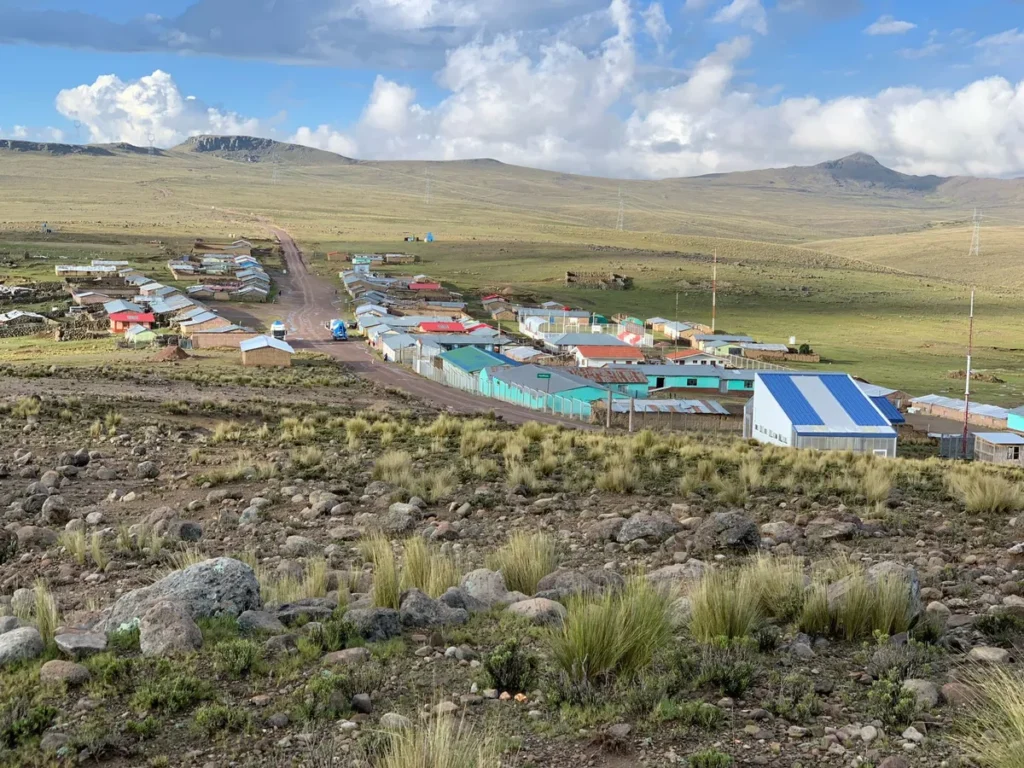
Welcome to Pedregal, Peru. Where Light Up The World, in partnership with NAIT and SAIT, is transforming a rural community. This project brings solar energy, high-speed internet, and digital education to an elementary school and a high school serving 78 children at an altitude of 4,150 meters.
Project Overview:
What We Did:
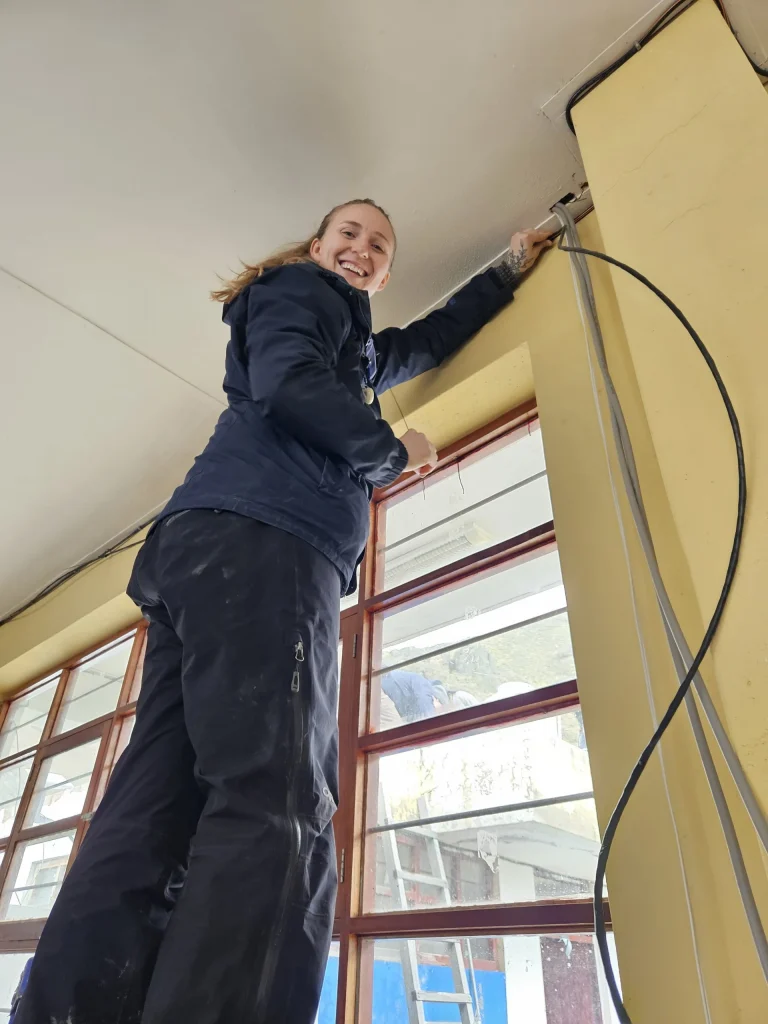
- As part of the project, we installed 21 solar panels, LFP battery storage, satellite internet infrastructure, and three televisions to support classroom learning in the community’s schools.
- The systems were designed to provide reliable lighting at night, internet access, and enough electricity to power a wide range of educational technology. Together, they can support the use of up to 41 laptops, 73 tablets, 8 televisions/DVD players, 5 projectors, and 5 printers across the primary and secondary schools. With light in the evenings, teachers can better prepare class material, students can walk around at night, and community volunteers can prepare meals for the children much easier.
- With reliable energy and connectivity, teachers and students can make greater use of technology for learning, communication, and access to educational resources.
- LUTW Provided hands-on training for both students and teachers to ensure effective use of technology and sustainable practices.
Sponsor our International Program!
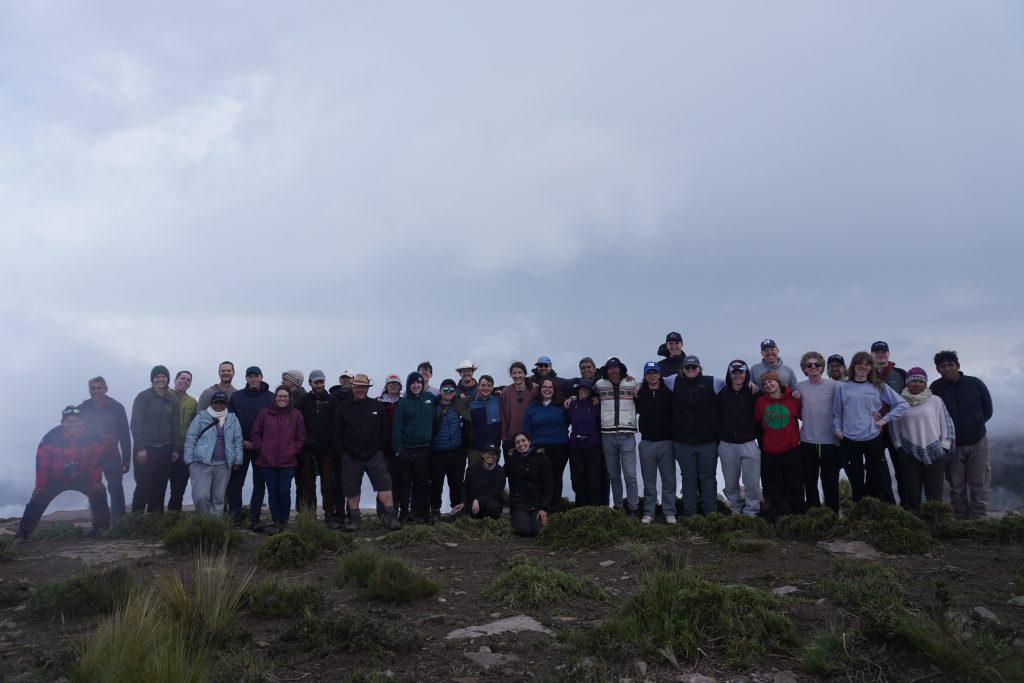
Show your company’s commitment to clean energy and community empowerment. Sponsor a project, send employees on an impact trip to Peru, or contribute through a donation.
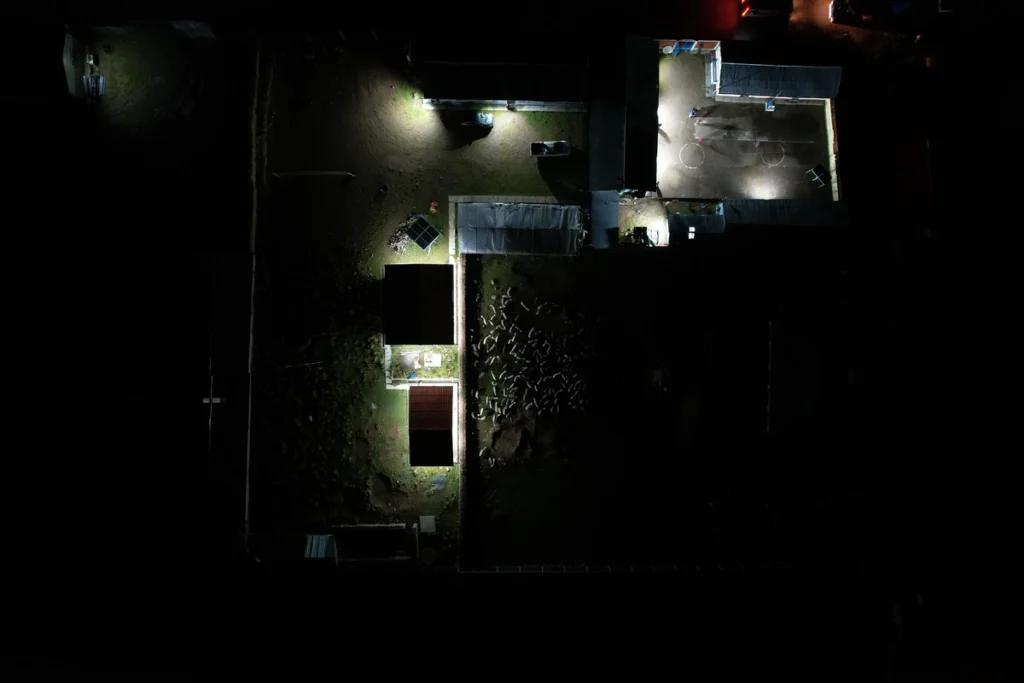
Pedregal Elementary School and High School
The Pedregal Elementary School Project, completed in collaboration with NAIT volunteers, has transformed Educational Institution No. 24381, which serves 20 students and 5 teachers. In addition to powering its classrooms, kitchen, dining hall, storage rooms, and teacher dormitories, the team installed 9 solar panels, a lithium iron phosphate (LFP) battery, and a satellite internet system. This new setup provides reliable electricity and daily internet access to 15 distinct school spaces, allowing teachers and students to seamlessly integrate laptops, tablets, projectors, and digital learning platforms into their everyday teaching and learning activities. With these tools available every day, students can naturally develop essential digital skills and explore new ways of learning, while teachers can readily access educational materials and prepare dynamic lessons using online resources. For a school in such a remote community, having access to consistent power and connectivity opens entirely new opportunities for learning and significantly eases everyday school activities.
In tandem with the elementary school upgrades, the Pedregal Secondary School Project was launched at the Pedregal Rural Center for Alternating Education (CRFA) alongside SAIT volunteers. This center serves 58 students and 15 teachers and administrative staff, many of whom come from remote communities and live on campus for 15-day periods. During their time on campus, students study, live, and carry out their daily activities before returning home to work on independent assignments. To support this unique environment, the team installed 12 new solar panels, an upgraded battery storage system, and satellite internet connectivity across 18 school spaces, supporting both classroom instruction and daily life on campus. Teachers and students can now make regular use of digital tools to strengthen their academic activities throughout the school year. Because students live on campus for extended periods, reliable electricity is absolutely critical, providing essential lighting, communication, and technological access that bridges the gap for these rural learners.
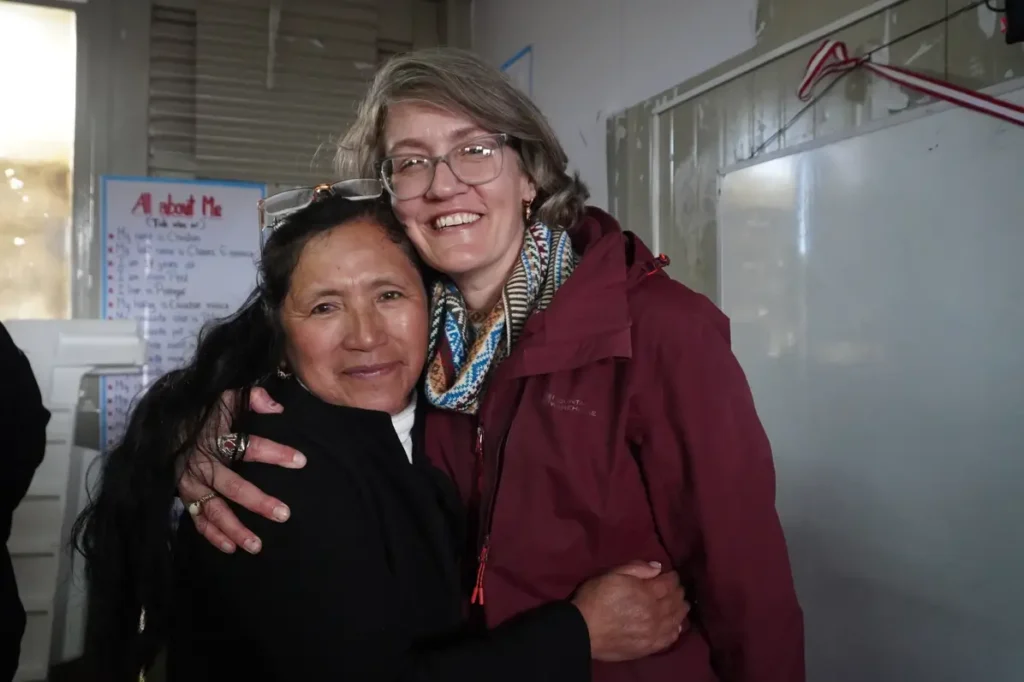
Words from the High School Principal: Rosario
We had the opportunity to speak with Rosario, the principal of the Pedregal CRFA, who shared some of the challenges the institution faces in providing education in one of the most remote areas of Ayacucho.
Before the project, the school operated with a limited and unstable source of electricity. This required the educational team to constantly prioritize which spaces could be illuminated and which equipment could be used. Everyday activities such as charging devices or using technological tools in the classroom represented an ongoing challenge. However, the role of teachers extends far beyond teaching. Because many students remain at the institution for weeks at a time, teachers also serve as mentors and caregivers. They look after students’ well-being, provide guidance, and support them in their daily lives while they are away from their families. Rosario explained that, despite these challenges, the educational team is always seeking new ways to provide better opportunities for their students. Today, thanks to access to electricity and internet connectivity, the school has new opportunities to enrich classroom instruction, integrate digital tools, and offer more engaging learning experiences that strengthen students’ education.
“We would like to sincerely thank the entire LUTW team, as well as the students and professors from SAIT, for coming to our school and spending these days with us. Having reliable electricity, stable internet access, and new technological tools represents a great opportunity for our community. Today, our students can access more information and develop new skills. This experience has motivated us even more to continue working so that our students are better prepared, become leaders in their communities, and can build a future with greater opportunities. As an institution, we are committed to improving every day, working together with our teachers and students to make the most of these tools and provide a higher quality education.”
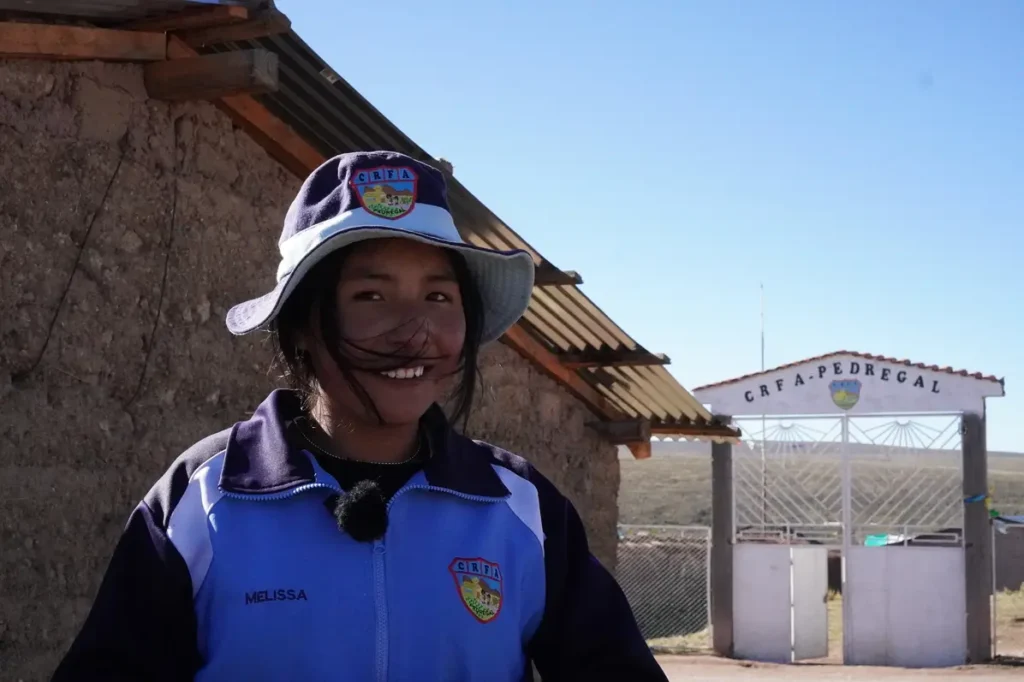
Getting to know Melissa, a High School Student from Pedregal
During our visit to the Pedregal CRFA, we met Melissa Sulca, a 14 year old student. Melissa lives in the community of Huanacopampa, approximately three hours away from the high school. Like many of her classmates, she stays at the institution for 15-day periods to continue her studies and then returns to her family’s homestead, where she helps with daily responsibilities. Despite the distance and the challenges she faces in accessing education, Melissa has a strong desire to keep learning. When we spoke with her, she shared that one of the school’s main difficulties was the lack of reliable electricity and internet access. Although the school had a small solar power system, it was not sufficient to meet the needs of all students and teachers. Melissa explained that the institution previously relied on a limited energy system, which made it difficult to use technological tools and access educational resources. Today, thanks to the project, she and her classmates will be able to use new digital tools, access more information, and participate in more dynamic and interactive learning experiences.
“For me, this is very exciting. I had never seen international visitors come to Pedregal, and I never imagined they would come to install solar panels at our school. Now we can keep learning without worrying about running out of electricity. I want to thank everyone who supported this project from the bottom of my heart. It means a lot to us and will help us continue learning.”
Project Impact:
The project wasn’t just about bringing electricity and the internet to schools. It was about making sure that 78 students and 20 teachers and staff in Pedregal have access to opportunities that many others take for granted. What we gained most from this experience wasn’t just the systems we installed, but the people we met along the way: students eager to learn and teachers who work every day to create better opportunities for their communities despite the challenges of living and working in such a remote location.
This achievement was made possible through the combined efforts of the Pedregal community, the volunteers, the teachers, and all the partners who supported the project.
Today, students have greater access to information, knowledge, and learning opportunities without having to leave their community. Teachers have new tools to enrich their classes and support student learning. This is only the beginning. Reliable electricity and the internet create opportunities that extend far beyond the school itself. They help students stay engaged in their education, support teachers in their daily work, and strengthen connections to the wider world.
In the years ahead, we will stay in contact with the community and monitor the impact these improvements will have on attendance, stronger academic performance, and greater opportunities for young people in Pedregal. Our goal is that more students complete their education, pursue scholarships, go on to post secondary education, and have the opportunity to choose their own path for the future.
LUTW, alongside NAIT and SAIT, is helping bring essential resources to a community that has long awaited them. Together, we are creating a future full of opportunity, sustainability, and education.
Our Partners:
This project is made possible thanks to the generous contributions of our partners:
- SAIT – Student volunteers financed part of the trip, while the SAIT Study Abroad program covered the rest alongside SAIT professors organizing the student group making their participation in the project at the Pedregal secondary school possible
- NAIT – Student volunteers financed part of the trip along with the NAIT Study Abroad program and NAIT professors organizing the student group
- Rotary Clubs – The Rotary Clubs Stampede, Fish Creek Park, Calgary Downtown, and Calgary West funded essential materials for the implementation of both projects.
- Silfab Solar – Donated the solar panels for both projects
- S-5! – Donates solar module clamps and cable clips for mounting panels on metal roofs
- INTIC – Provided connectivity equipment at a reduced cost, ensuring that satellite internet reaches the area
Get Involved:
LUTW is always looking for volunteers, corporate partners, and donors to support our transformative projects. As a leading solar charity in Canada, we invite you to help us bring sustainable energy, education, and opportunity to communities in need.
Contact Us
For more information, to volunteer, or to partner with us, click here to get in touch.