Honoring Jenny Irvine-Halliday: A True Pioneer Who Lit Up the World

At Light Up the World, our story begins not only with Dr. Dave Irvine-Halliday’s vision, but also with the unwavering dedication of his wife and co-founder, Jennifer “Jenny” Irvine-Halliday.

LUTW wouldn't have been possible without Jenny.

In 1997, Jenny stood side-by-side with Dr. Dave to establish the first organization in the world to bring LED lighting to developing countries. From the start, she was more than a co-founder, she was the catalyst that helped LUTW grow into what it is today. It was Jenny who first spotted the Rolex Award for Enterprise in a magazine, encouraging Dave to apply. That recognition became a turning point, giving LUTW the early credibility, visibility, and support it needed to expand globally.

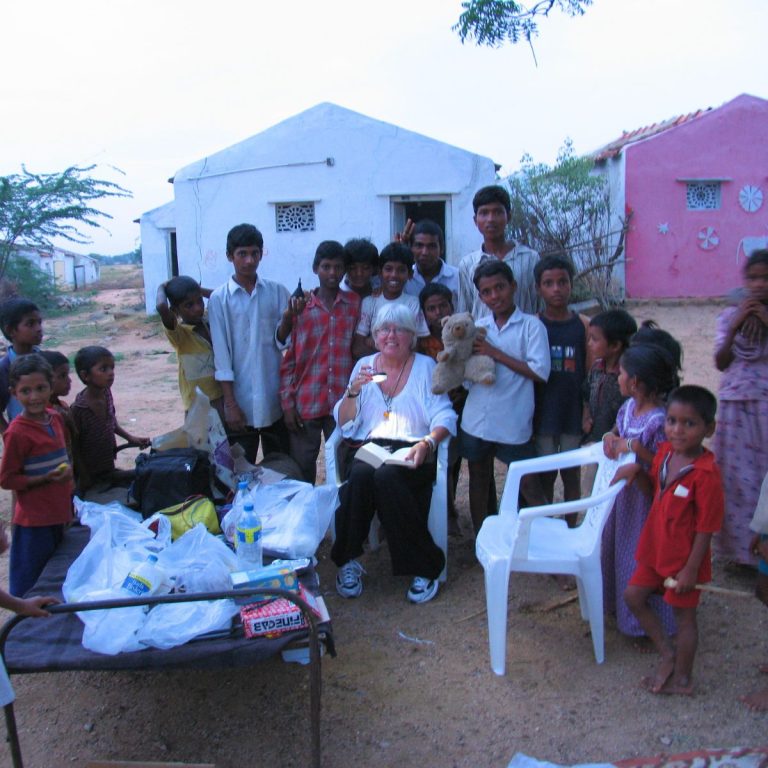
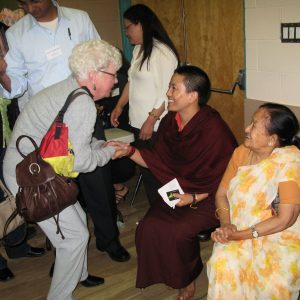
Jenny’s journey was one of compassion, service, and creativity. A nurse and midwife by training, she spent her life helping others across continents, from Scotland, to Australia, and eventually back to Canada. Her career was diverse, but her calling was constant: to serve and uplift those around her.

Her creativity was boundless. Whether through painting, spinning, weaving, knitting, or embroidery, Jenny’s hands were rarely still, and her artistry reflected her generous spirit. Her belief that “education is everything” guided her work with LUTW, as she saw firsthand how light could transform children’s futures by allowing them to study after sunset.
Solar aid charity

Jenny’s impact stretched far beyond the technical side of bringing light to communities. She embodied empathy, curiosity, and the power of human connection. To know her was to feel truly seen and supported. She built not just an organization, but a culture of kindness and vision that continues to guide LUTW’s mission nearly three decades later.

Today, as we carry forward the work she helped ignite, we remember Jenny not only as a co-founder, but as a pioneer who lit up lives with compassion, creativity, and courage. Her legacy is alive in every school child who studies by solar light, every health clinic powered by renewable energy, and every community that finds hope in light.

Jenny truly lit up the world while she was here, and she continues to inspire us to do the same.
Solar aid charity in Asia

As we carry forward the mission she helped ignite, we invite you to honor Jenny’s memory by supporting LUTW. Your contribution helps us continue bringing light, education, and opportunity to the communities she cared so deeply about.

Finally, we are also planning a gathering in February to celebrate Jenny’s life and legacy. We will share more details about this gathering in the coming months, and warmly welcome all who may wish to join us in remembering Jenny and honoring her legacy.

LUTW's History and How We Got Started

Click here to learn more about us.
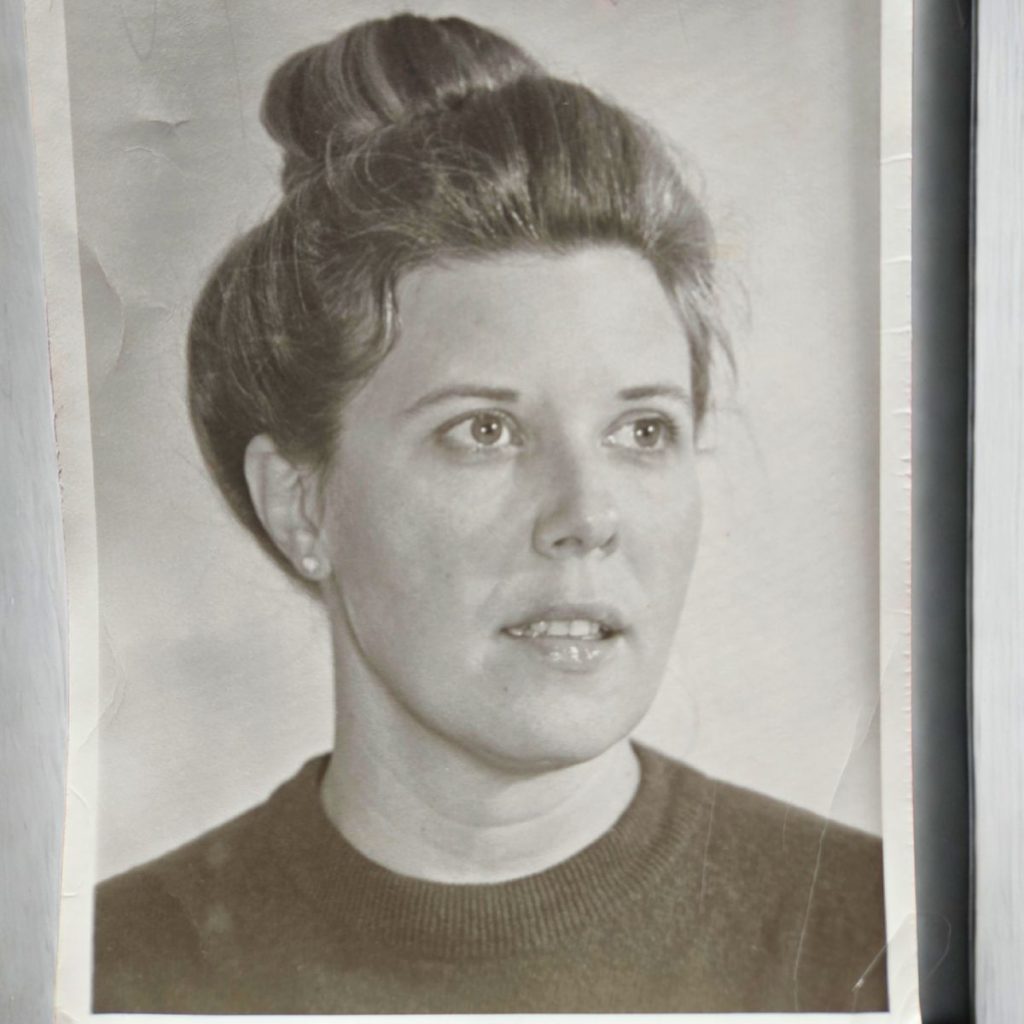
Jenny, Co-founder of LUTW, the best solar aid charity in north America.

October 12, 1944 - August 24, 2025


Lighting Lives, Protecting the Planet: World Environment Day 2025
Today, on World Environment Day, we’re joining a global call to action, because when it comes to protecting our planet, every choice matters.

At Light Up The World (LUTW), we believe that access to clean energy is not only a basic right, but a crucial step toward a sustainable future. For many remote communities around the world, light still comes from kerosene lamps, a source of toxic fumes, high costs, and serious fire risks.

That’s why we work with partners and solar volunteers to bring safe, sustainable energy to off-grid homes, schools, and health clinics. By replacing kerosene with solar-powered light, we reduce carbon emissions, protect health, and create new opportunities, especially for women and children.

  • Every light we install is a step forward for climate action.
  • Every child who can study safely at night is a reminder of what’s possible when we choose renewable solutions.

This World Environment Day, we encourage you to take action, whether it’s saving energy at home, reducing waste, or supporting organizations building a cleaner future.

Together, we’re not just lighting homes, we’re lighting the way for a healthier planet.

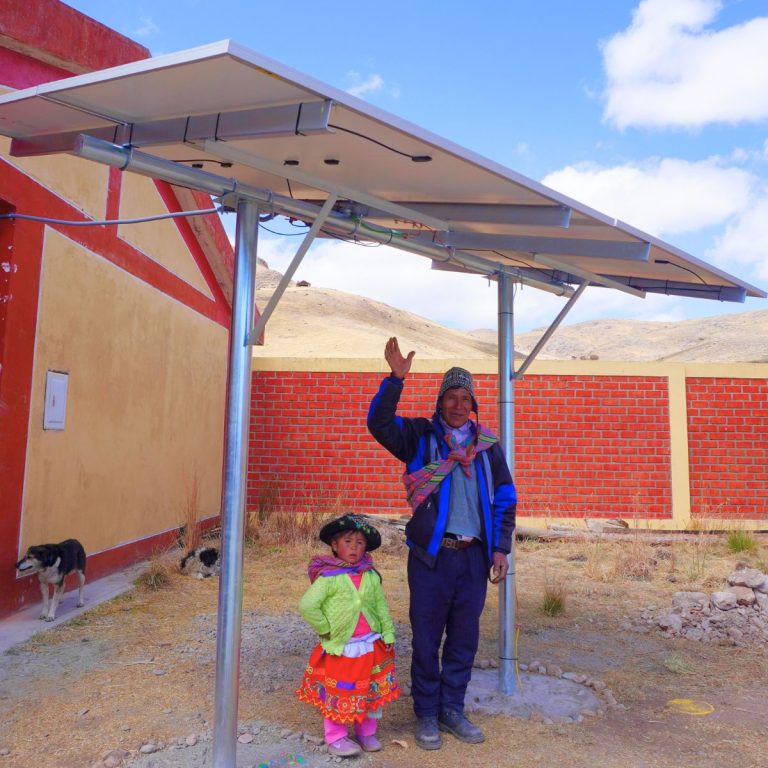
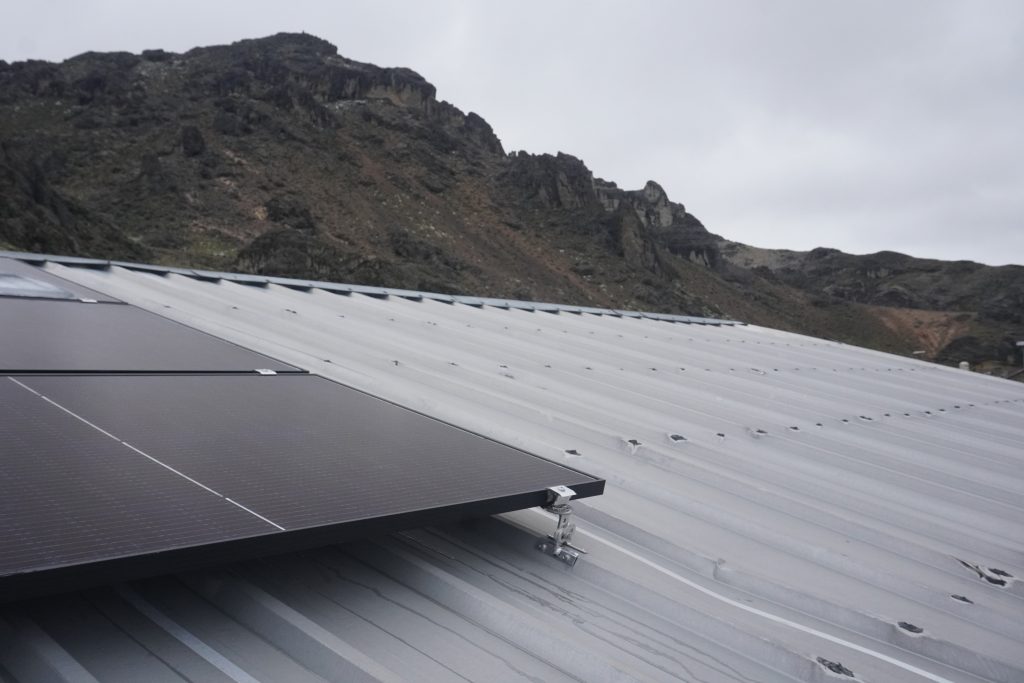
Solar panel installed

Want to get involved?
Join us as a solar volunteer on our upcoming Empowering Expeditions to Peru, support our work as a donor, or help expand sustainable internet and clean energy solutions in some of the world’s most remote regions.

How to Get Involved

Click here to learn more about our upcoming Empowerment Expeditions this September and October.


LUTW and S-5 : Empowering Remote Communities with Solar Power and Connectivity
At LUTW, we believe access to electricity and the internet is not a privilege, but a right. Yet for millions living in remote off-grid communities around the world, reliable electricity and internet access remain out of reach. That’s why, from our home base in Calgary, Canada, we work to bring clean, renewable solar energy to underserved communities and with it, the opportunity to learn, connect, and thrive helping transform lives with light, knowledge and opportunity.

Through solar photovoltaic (PV) installations and hands-on training, we empower communities to move toward energy independence. We don’t just install systems, we build capacity by training local technicians, ensuring long-term sustainability and community resilience.

A Beacon of Light & Connection in Huarcaya, Peru

One of our most recent projects brought solar energy and internet access to a school in Huarcaya, a remote community deep in the Peruvian Andes. With no connection to the electrical grid, the school, serving nearly 150 students and more than 15 teachers, faced serious challenges. Without light, teaching and learning ceased when the sun went down in the evenings or when sunlight was scarce. The absence of power also meant no access to modern educational tools like computers.

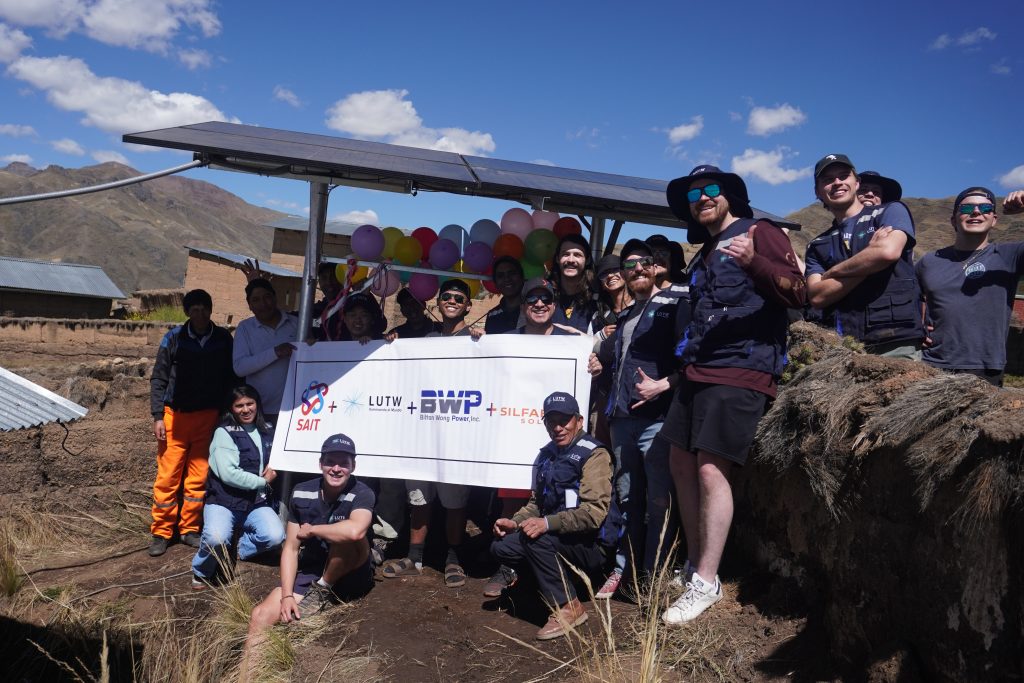
In February 2025, we launched the solar installation phase of the project with generous support from our valued partners, including Southern Alberta Institute of Technology (SAIT), Northern Alberta Institute of Technology (NAIT), Silfab Solar Inc., Cambium Networks, EDULINK LATAM, and S-5!. With their collaboration, ranging from technical expertise to equipment donations, our team, joined by enthusiastic student volunteers from SAIT and NAIT, successfully completed the following system installation:

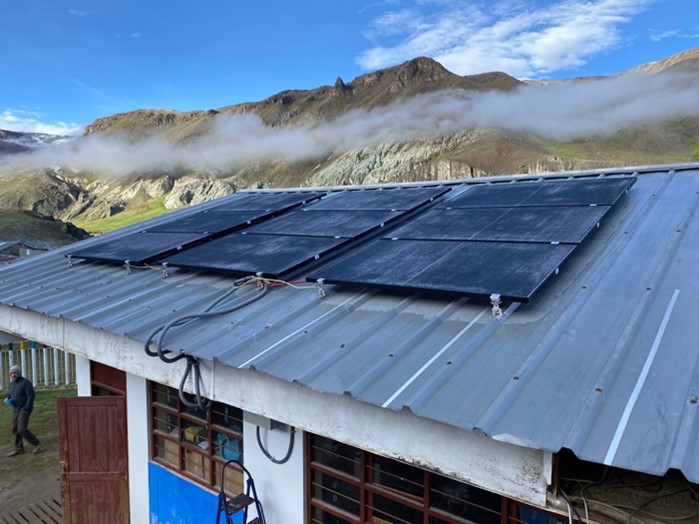
  • 18 Silfab Solar® panels (370 Wp, HC = 6.66 kWp)

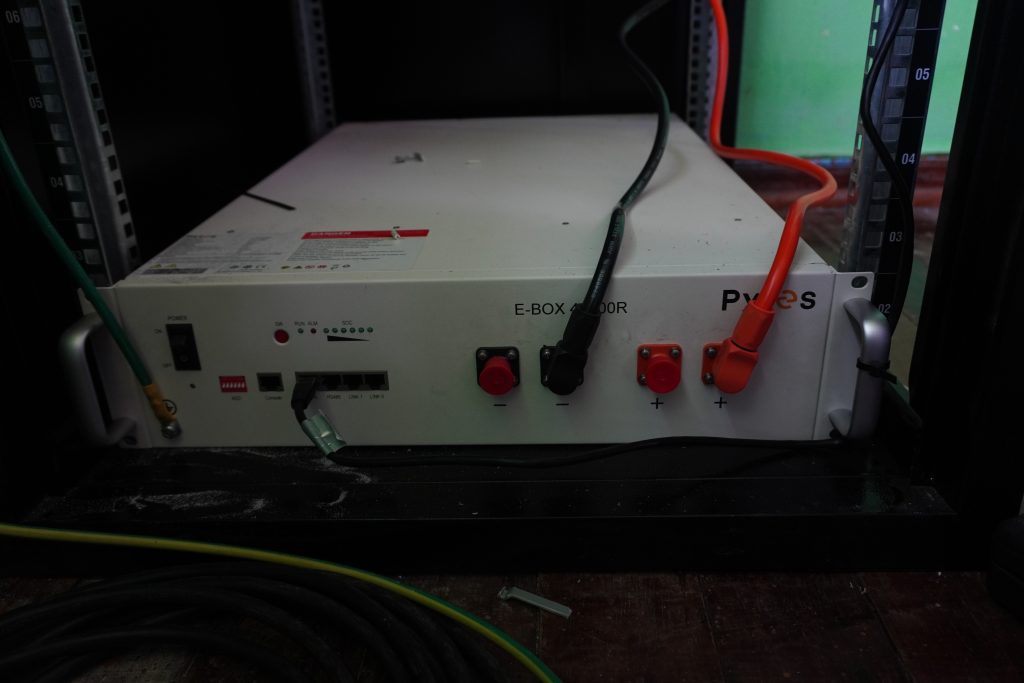
  • 15 kWh lithium battery storage

  • 9 kW three-phase power system

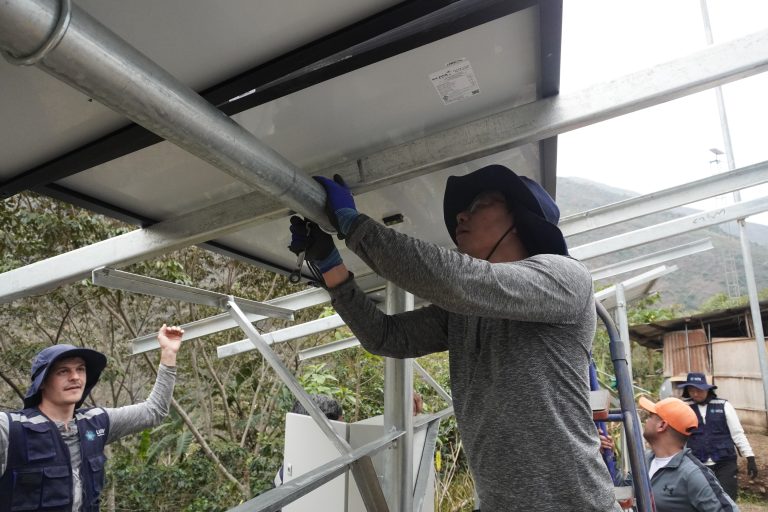
  • S-5! DirectAttach™ mounting system designed for durability in the remote Andean environment

LUTW and S-5 : Empowering Remote Communities with Solar Power and Connectivity

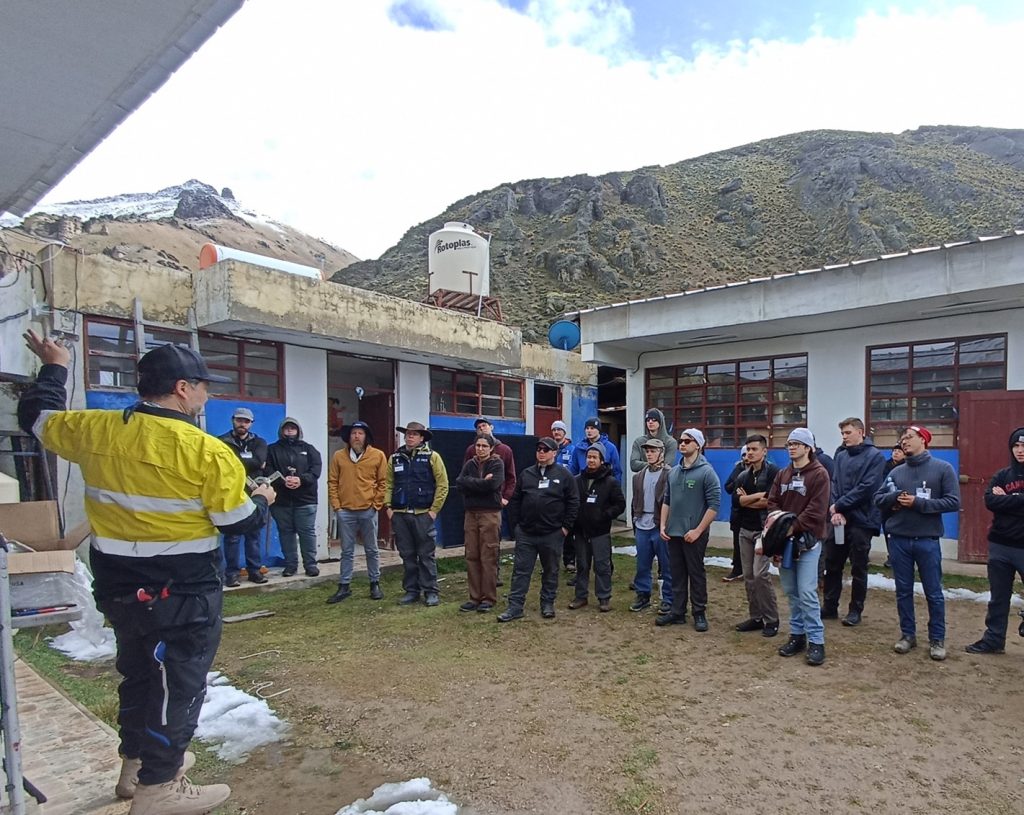
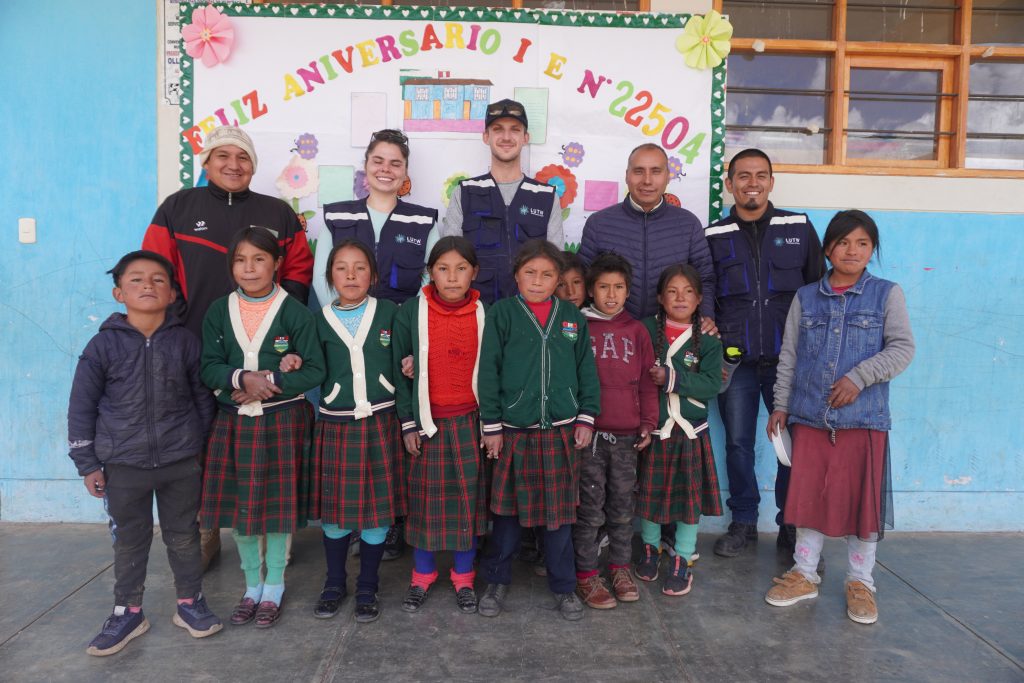
Our student volunteers received hands-on instruction from our partner S-5!, gaining valuable training in direct-attachment installation on metal roof-experience that will benefit both their careers and the communities they support.

Tackling Remote Challenges

Reaching Huarcaya wasn’t easy. Our team had to traverse rough terrain, braving sub-zero temperatures, rain and remote logistics that made transporting a traditional rail-based solar mounting system nearly impossible.

“This project came with significant challenges,” said our Regional Manager, Milagros del Carmen Huaman Zuniga. “Beyond the weather and terrain, the remoteness itself made it incredibly complex to get equipment to the site. Therefore, we needed an approach that could overcome these transportation difficulties.”

LUTW and S-5 : Empowering Remote Communities with Solar Power and Connectivity

The Power of Partnership

Our work is made possible by partners who share our vision of a brighter, more equitable world. For this project in Huarcaya, S-5! generously donated:

  • 120 Protea™ Brackets and PVKIT® solar mounts
  • 50 ground lugs
  • 100 PV module clips

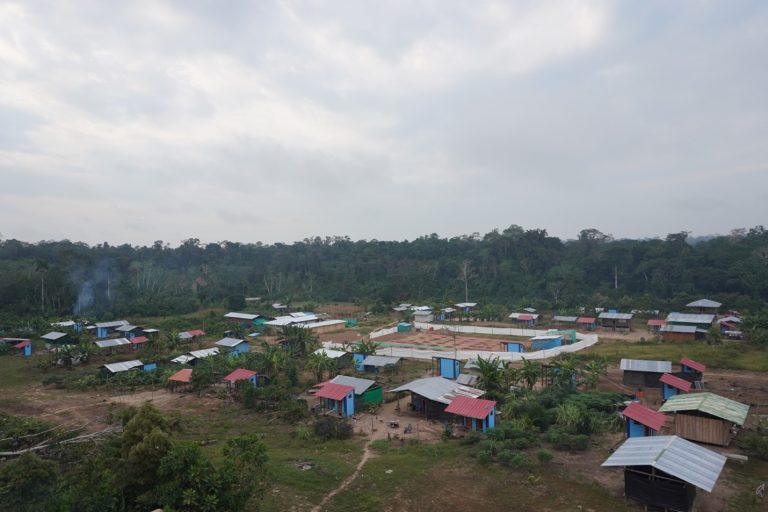
Their involvement didn’t end there. A second project is underway this summer in Alto Mishahua, deep in the Peruvian Amazon, even more logistically complex. This time, every piece of solar equipment must be delivered by boat along a tributary to the Amazon River, a clear example of the unique barriers we face bringing power to the world’s most remote communities.

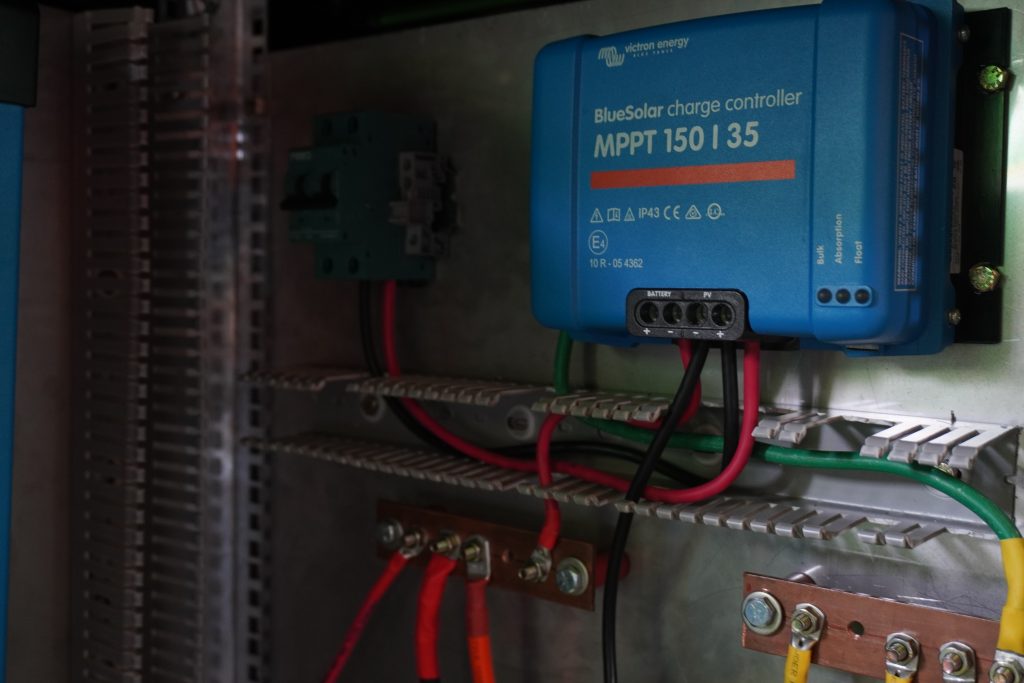
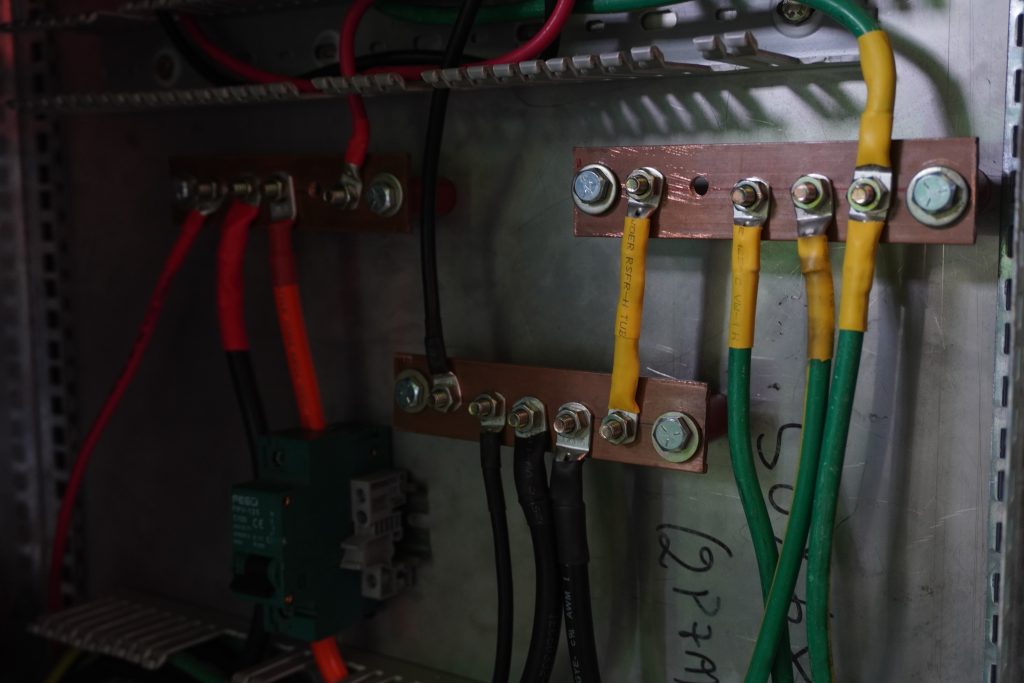
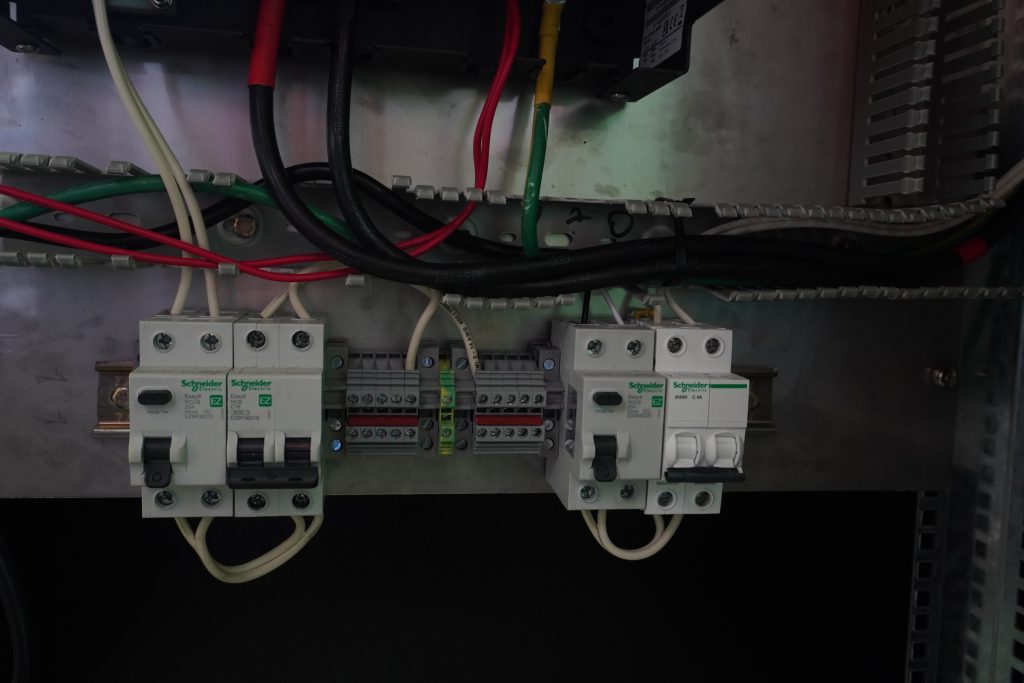
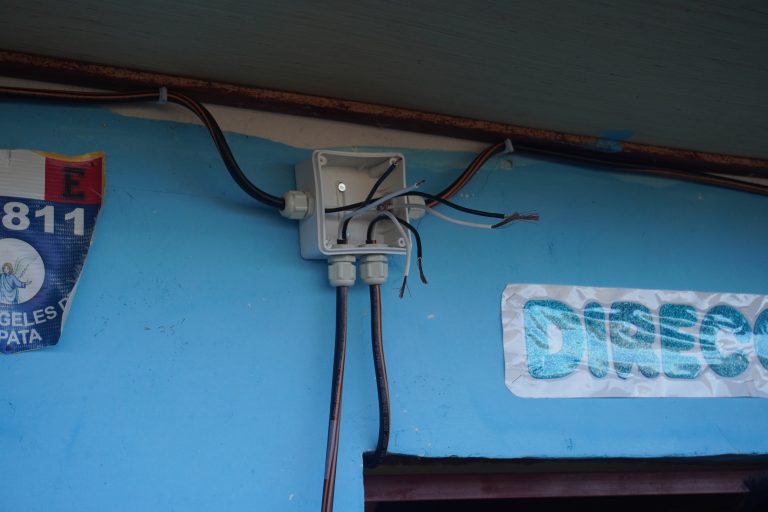
40 homes will receive individual rooftop PV systems, impacting over 250 residents. Each household system includes one 370 Wp solar panel, one LFP battery, charge controller, inverter, 4 lights, 2 outlets and a protective cabinet.

DirectAttach™: Faster, Smarter, Lighter

The rail-less system helped us cut installation time by 50%, reducing labor needs while also minimizing the structural load on buildings, especially important in rural areas with less robust construction. Plus, these mounts were so compact they fit in the trunk of a car, streamlining transportation.

This method also simplified training for local technicians, helping us achieve one of our core goals: building local capacity so that communities can manage and expand their energy access in the future.

Solar panel installed at the roof of a house

Lighting Up More Than Classrooms

This project is about more than solar panels, it’s about opportunity. Electricity now powers lights, computers and other educational tools at the school in Huarcaya, and in combination with the internet, it enables students to learn after dark and teachers to enhance their lessons.

“Solar energy is transforming lives in real, measurable ways,” said Fuentes. “This is more than a project—it’s a pathway to a better future.”

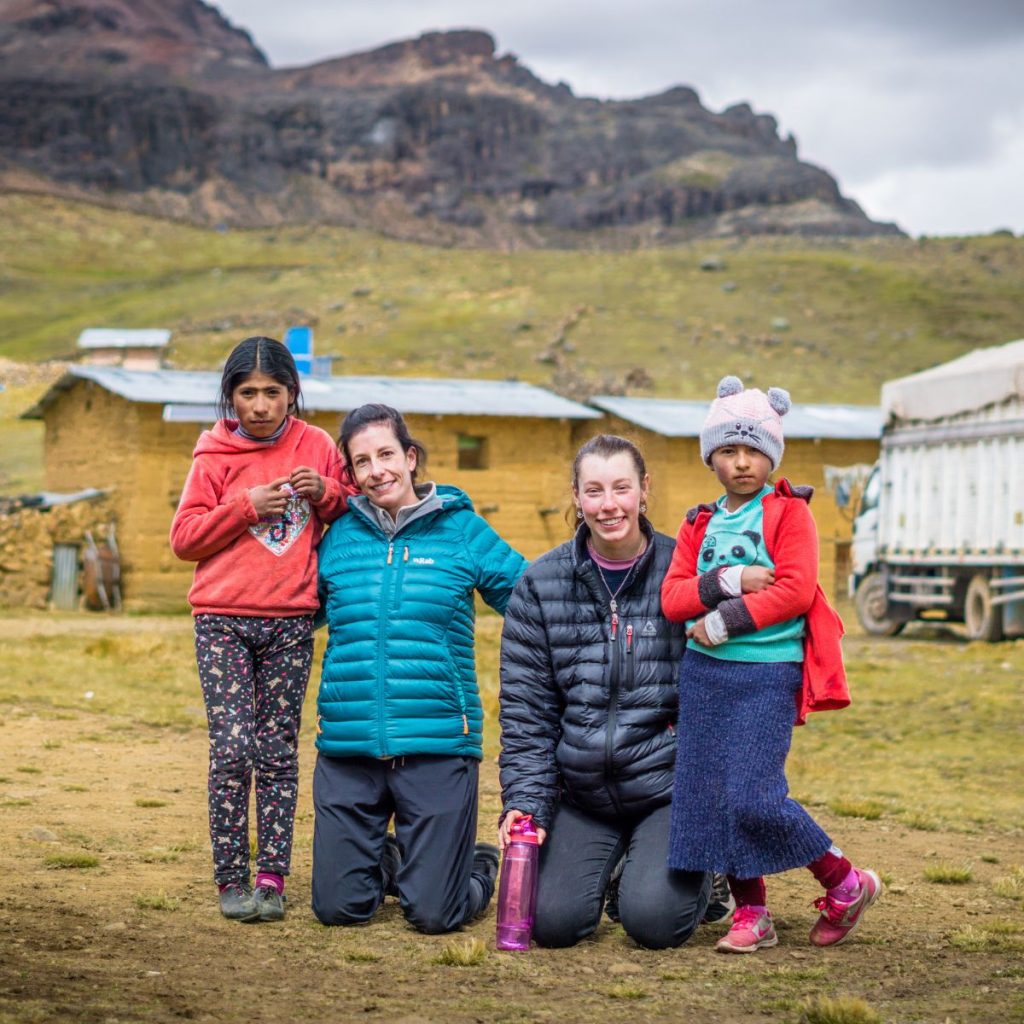
Empowerment expedition volunteer with kids

Join Us in Lighting Up the World

At LUTW, we’re proud of what we’ve achieved but we know there’s more to do. With the support of dedicated partners like S-5!, we continue to deliver sustainable energy to the communities that need it most. Together, we’re creating lasting change, one light at a time.

Learn more about our work by visiting our YouTube channel to see our impact in action.

Table of Contents

Thinking of a DIY Solar Project?

If you’re considering a solar installation for your own home or community, check out S-5!, one of our trusted partners. Their mounting solutions are widely used for rooftop solar and work especially well in remote, off-grid environments like Huarcaya.

Learn more or contact them at:


Partnering for resilient, sustainable energy.


Lighting Up Lives: A Journey to Power the Peruvian Jungle

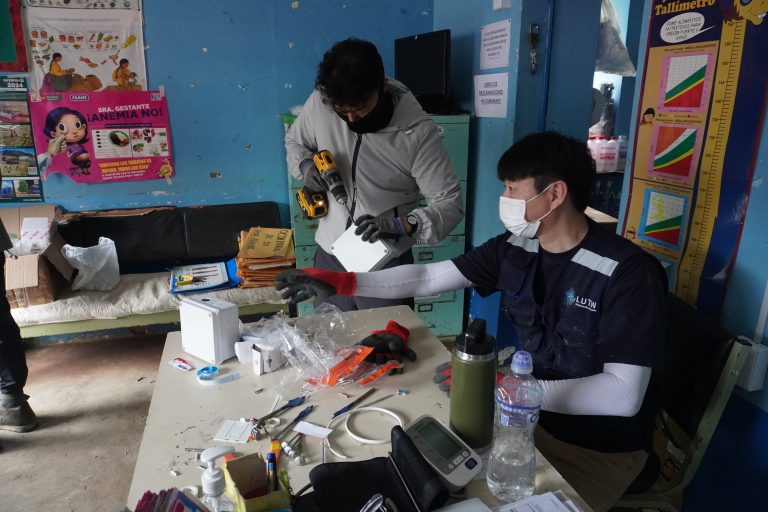
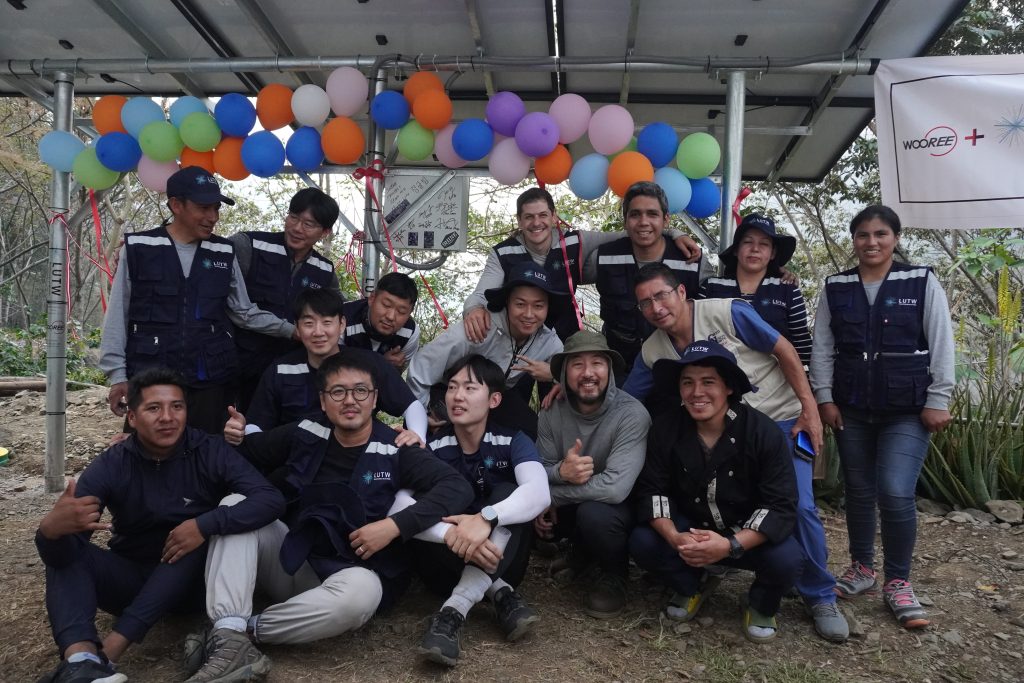
Deep in the remote Peruvian jungle, nestled in the rugged mountains of Cusco, lies a small medical post that serves as a lifeline for its community. For years, this post relied on aging solar panels, providing inconsistent power that often left critical medical equipment inoperable during the night. Without reliable electricity, emergencies meant a grueling 5-hour journey to the nearest clinic. But thanks to the collaborative efforts of Light Up The World (LUTW), Wooree Company, and a dedicated team of volunteers, this story took a brighter turn.

we brought internet to the remote community

Mission to Light the Jungle

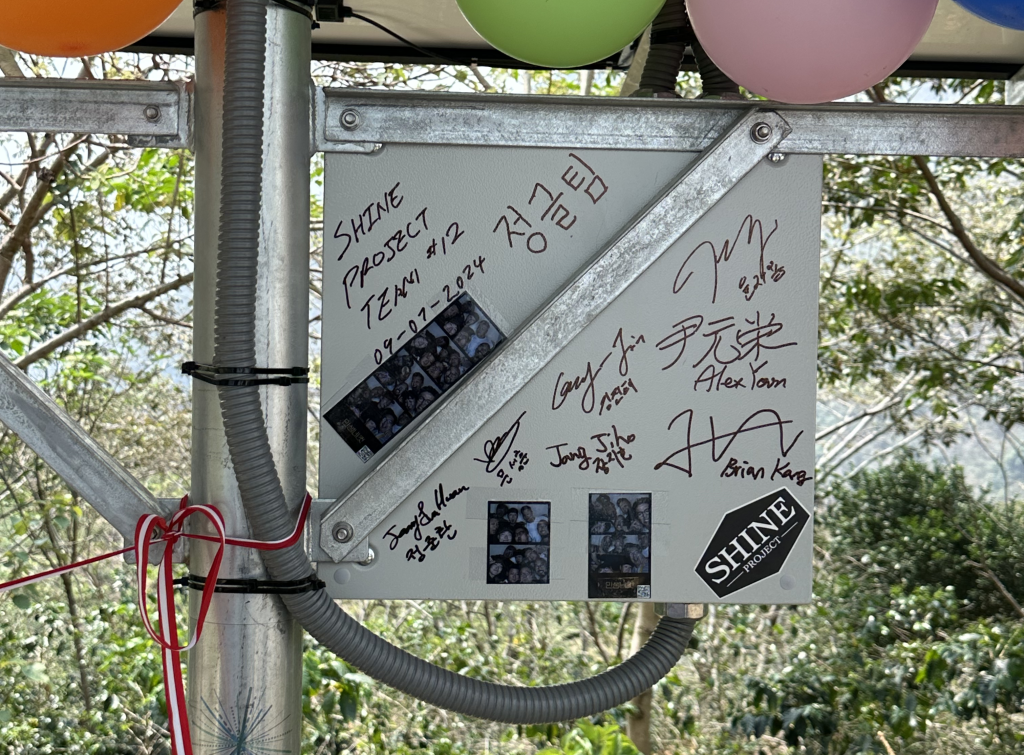
The medical post’s isolation meant it was beyond the reach of the national power grid. Solar panels installed eight years ago had provided some relief, but their batteries were failing. Patients in need of nighttime care faced dire consequences. Recognizing the urgency, LUTW and their long-time partner Wooree Company stepped in with the “12 Shine Project.”

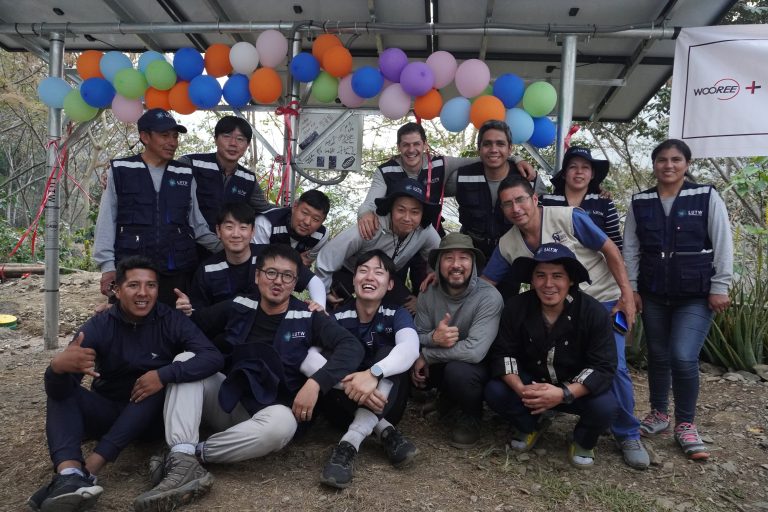
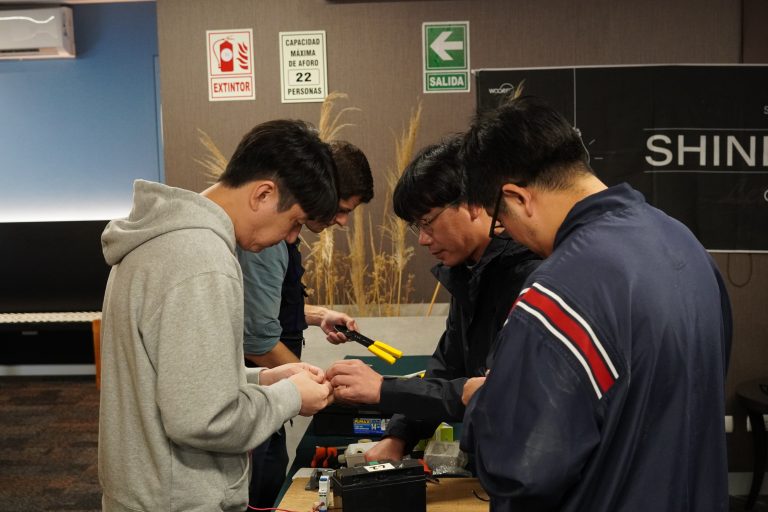
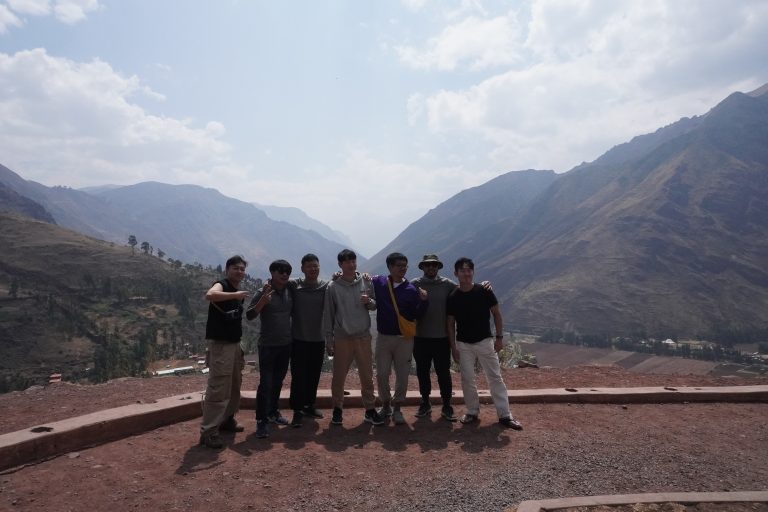
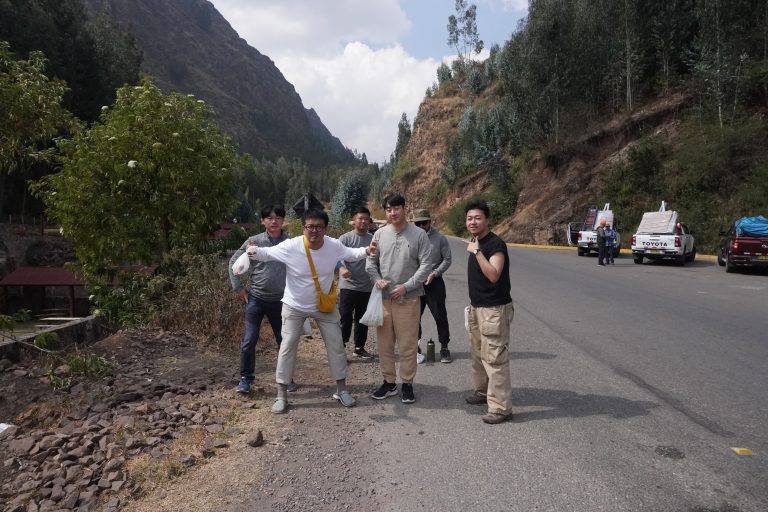
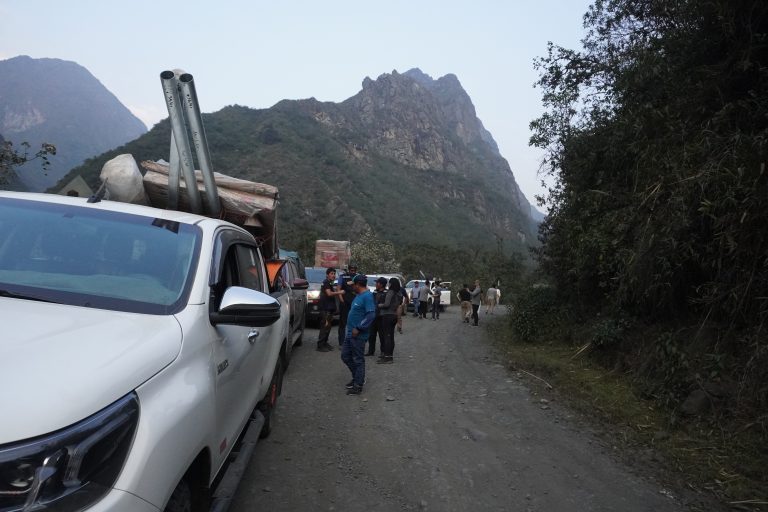
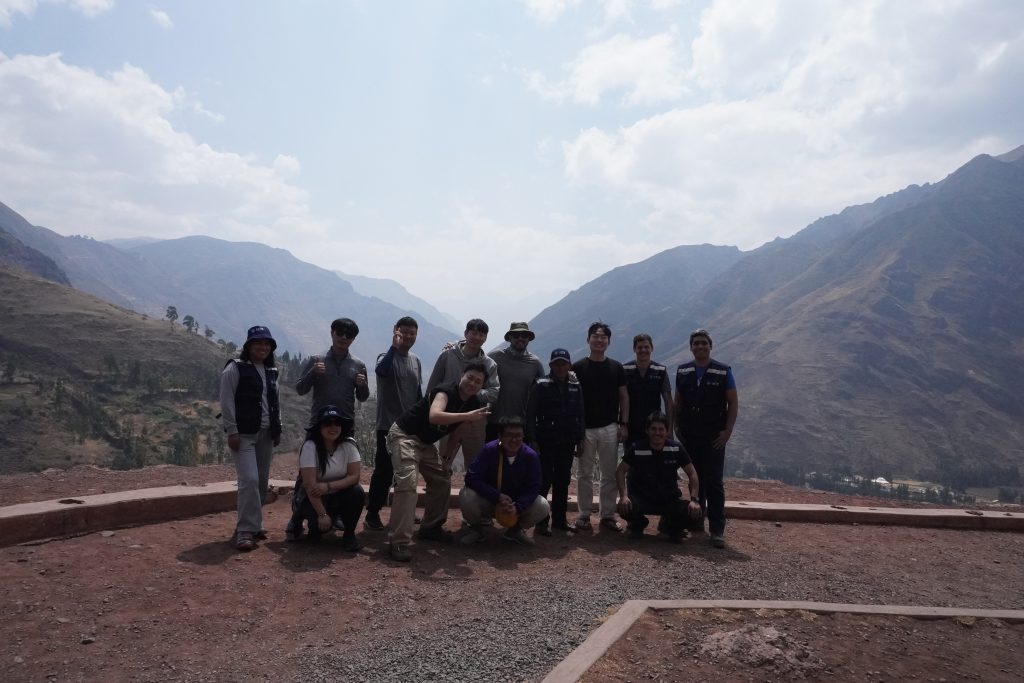
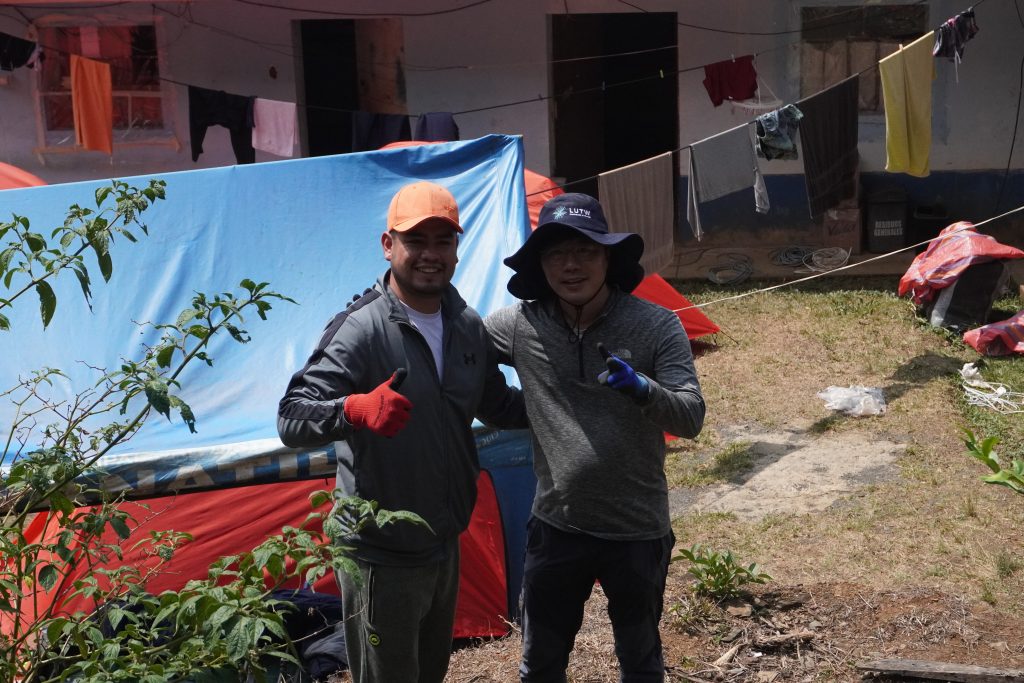
A team of six volunteers from Korea joined the mission, eager to bring light and hope to this remote community. After an intensive training session in Lima, the team embarked on a challenging journey to the site, driving 13 hours across winding mountain roads to reach their destination.

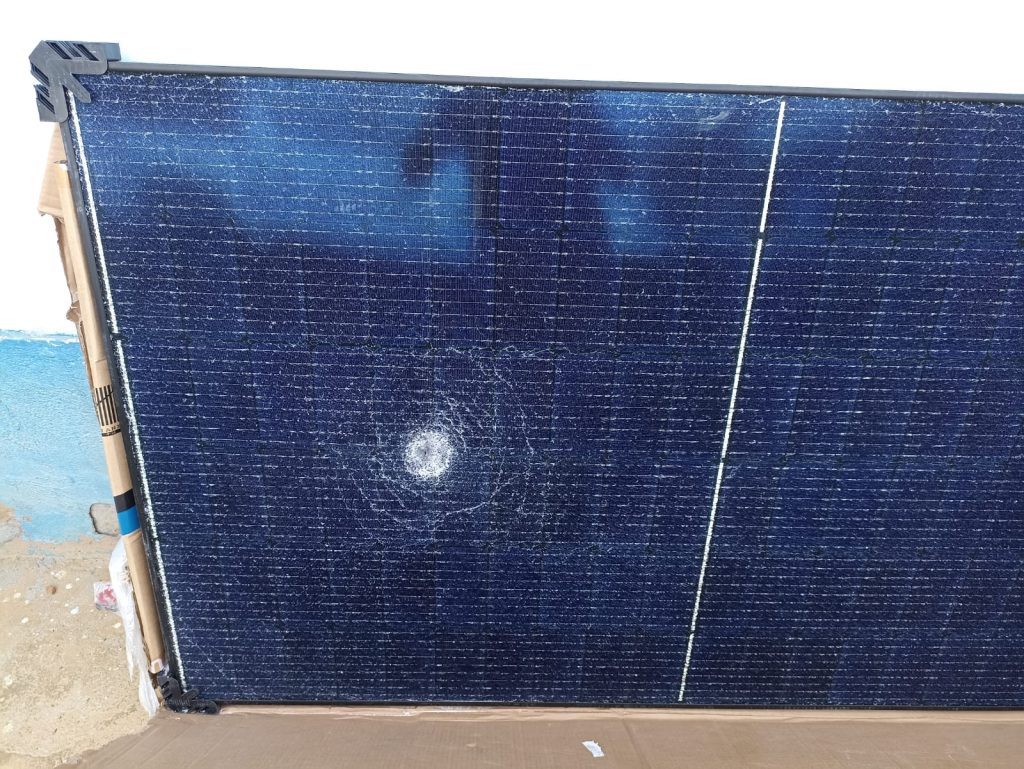
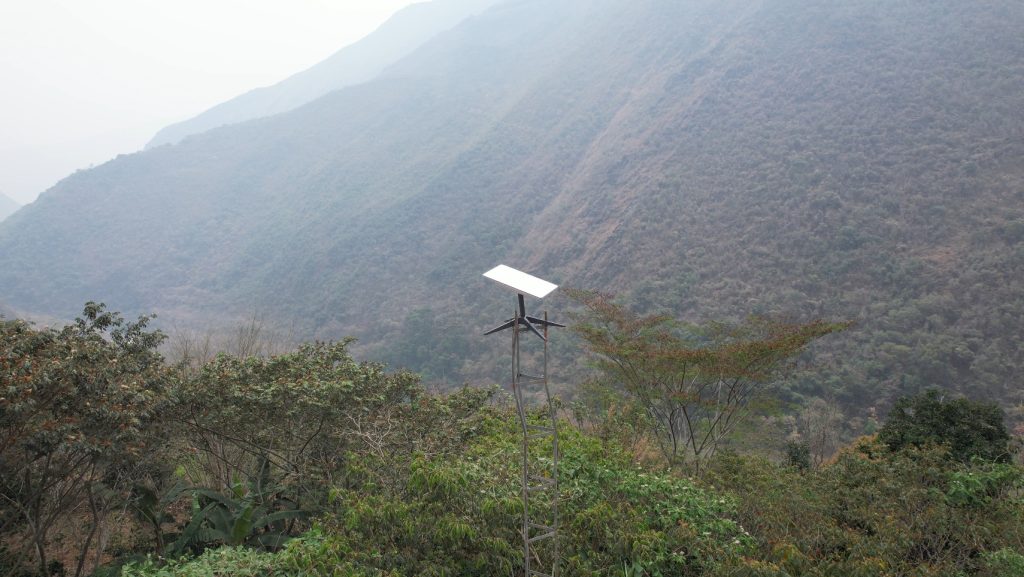
Upon arrival, the team discovered a critical setback: one of the solar panels had been damaged during transport. In a place without phone signals, this could have been a project-ending issue. However, the ingenuity of Benjamin, the lead nurse at the medical post, saved the day. Thanks to a Starlink satellite internet connection he had set up, the team was able to contact their network in Lima and arrange a replacement panel.

Powering Hope with Solar

With the replacement panel en route, the team focused on installing the rest of the system. The project was ambitious: installing eight solar panels with a total capacity of 3,330 watts and state-of-the-art lithium batteries capable of storing over 15 kWh of energy.

The lithium batteries were a game-changer, offering greater durability, a higher discharge capacity, and the ability to provide consistent power even during cloudy or rainy conditions. This system could keep the clinic’s equipment running for up to a week, ensuring uninterrupted medical care.

Beyond electrification, the project tackled another challenge: internet accessibility. The team expanded the Starlink coverage by installing additional routers, enabling internet access beyond the small medical office. To ensure sustainability, they implemented a voucher system allowing residents to contribute to the cost of the service, lightening the financial burden on the clinic.

Lighting Lives, Brightening Futures

As the final bolt was secured and the system came online, the transformation was palpable. The medical post was now a beacon of hope, with reliable electricity ensuring that no patient would be left in the dark. The volunteers celebrated with the community, who expressed their heartfelt gratitude in an unforgettable celebration.

The team also took time to train the locals on maintaining the solar panels and maximizing the system’s capabilities. This knowledge-sharing empowered the community to sustain the improvements independently.

The “12 Shine Project” was a powerful reminder of the profound impact that renewable energy and collaboration can have on isolated communities. It not only brought light to the Peruvian jungle but also strengthened the bonds of global solidarity.

As the team made their way back to Cusco, their thoughts turned to the future: more villages, more clinics, and more lives to light up. LUTW’s mission is far from over, and they invite you to join them. Whether through donations, volunteering, or spreading awareness, every effort helps illuminate lives.

Learn more about how you can support their mission at lutw.org. Together, let’s light up the world.

Contributing to the energy need: A solar approach

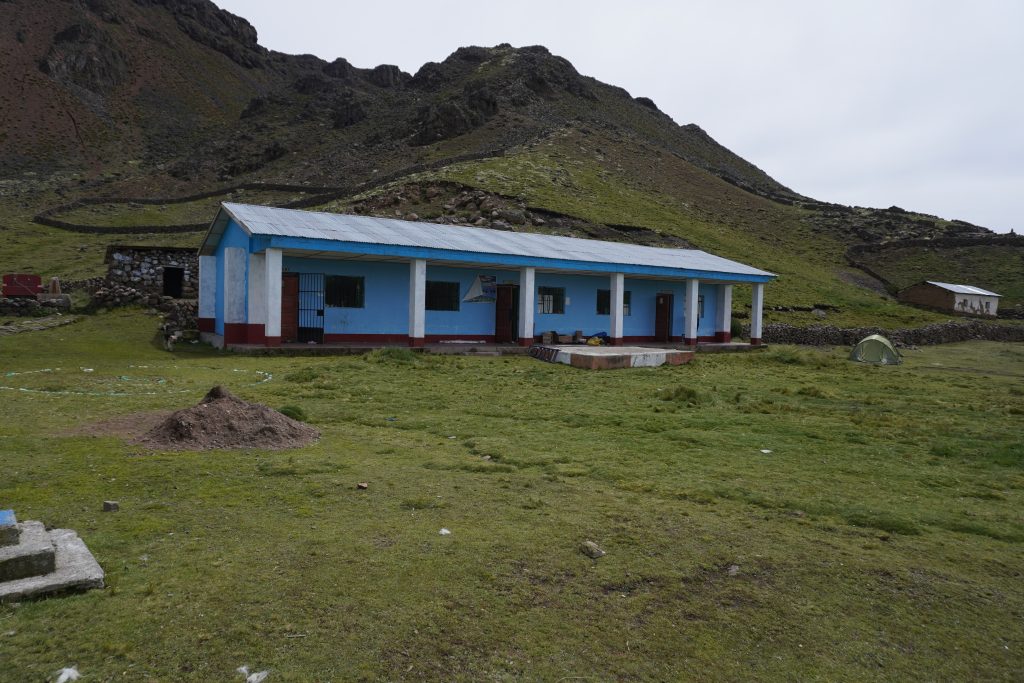
Addressing the primary school of the Pauchintani community, a small town amidst the Andes. Four buildings, accommodating 13 students, comprise a perfectly functional school with classrooms, administrative area, kitchen, dining hall, bathrooms, and a computer room; however, the classrooms lack electricity. By implementing solar technology, bulbs illuminated every room, sockets began powering external appliances owned by the school, floodlights allowed outdoor walks and gatherings late into the night, while the internet provided them a window to the outside world and a means of communication with remote family members that had never been so easily accessible to them.

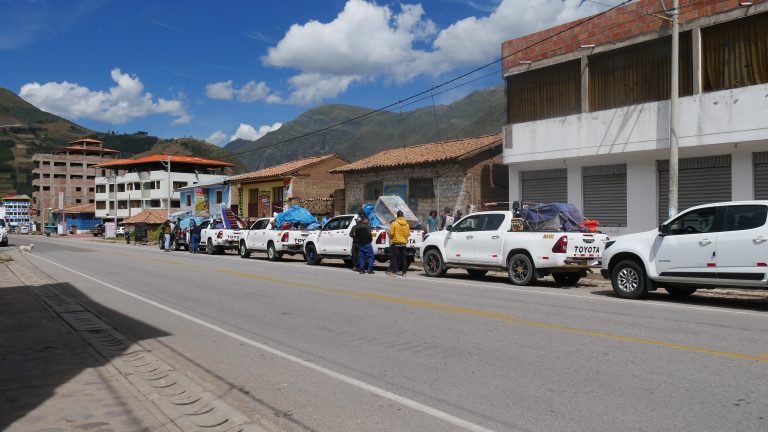
To make all this a reality, the first step was to transport all materials, tools, camping equipment, kitchen utensils, food, and people to the project site; a logistical maze comprised of planes, trucks, and dirt roads leading to a valley over 4000 meters high, of which LUTW now knows all the secrets. After receiving each order at the office and purchasing all necessary materials, it was time to wrap it all up and send everything from Lima to Cusco. There, we retrieved the cargo and supplemented the last pieces of the inventory puzzle. Meanwhile, the project team, consisting of LUTW staff and volunteers from Western University, USA, regrouped in the city. After two days of acclimatization to the altitude and technical training for the volunteers, we embarked on our journey to the community, with all the necessities on board; a five-hour journey consisting of paved and dirt roads, operated by a local company, took us to our destination: the rural community of Pauchintani.

After three days of hard but enjoyable work, guided by music and joy, the system was up and running; 1.5 kW of solar panels, 4800 Wh of battery, a 3 kW inverter, and over 150 meters of cables were ready to provide power to the school for many years. We left this adventure with the beautiful memory of the children watching a movie in English subtitled in Quechua.

In Search of Change: Living and Interconnected

In this project, we encountered a young group of volunteers with a thirst for discovery, the need for a human experience, and the willingness to get the job done. I suppose they were already partially served upon their arrival in Lima, as the city’s traffic and chaos greatly contrasted with what they were accustomed to. This obviously escalated as they reached Cusco, and even more so after arriving in the community: food, people, language, drinks, customs, landscape, buildings… There weren’t many familiar things to relate to, and everything seemed different to them. As lovers of outdoor activities, they instantly embraced their new surroundings amidst nature, in the small village of Pauchintani. They were eager to communicate and share, to laugh and play, and to enjoy the place and moment they found themselves in. Once the day’s work was done, we enjoyed soccer matches in the field, card games, conversations, dips in the river, and dance classes. 

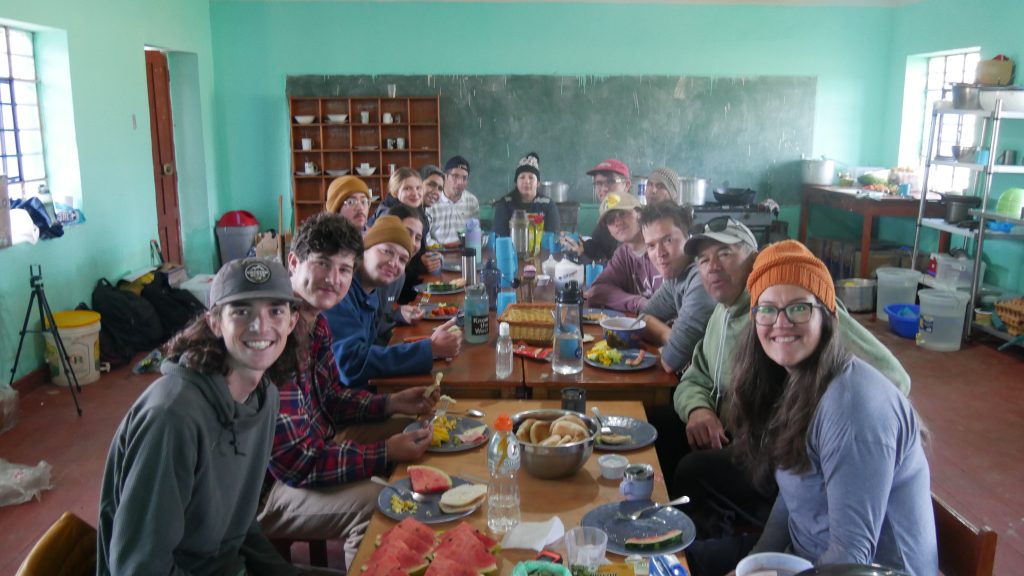
volunteers eating after solar panels installation

We all slept outside in the field following their suggestion; although colder than expected for some of them, this provided a sense of adventure, simplicity, and tranquility that gave this project all its charm.

we brought light and internet to the remote community

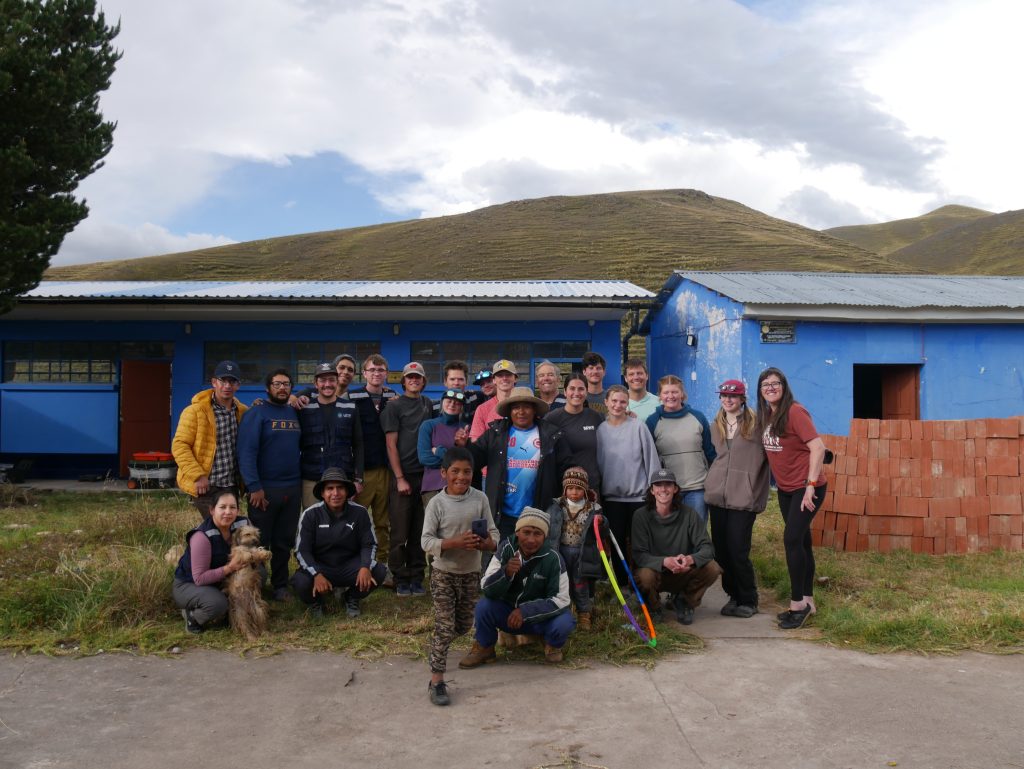
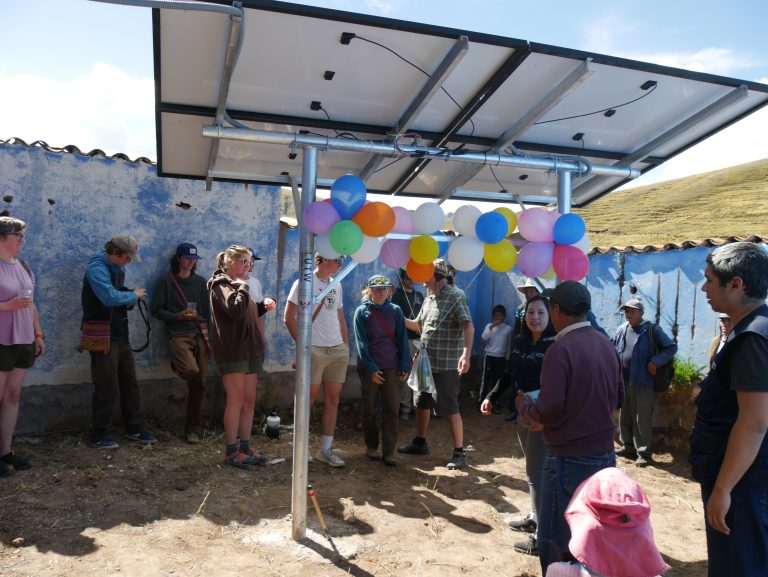
The project’s inauguration marked the climax of the group’s friendship and relationship with the community, as we shared meals together and spent a couple of hours playing soccer altogether. Our traditional river dip was aborted by a heavy hailstorm, and we ended up celebrating inside the school. The next morning marked the end of the journey, and it was time to bid farewell to the community and welcome Bob, the newly adopted stray dog from the village, into one of our cars. Though exhausted by the experience, the volunteers left with a wealth of memories, the feeling of a job well done, and memories they won’t forget. Now they need a good night’s sleep, as their last days in Peru will be spent visiting Machu Picchu, Rainbow Mountain, and other wonders of Peru.

Improving Access to Energy : Light for All

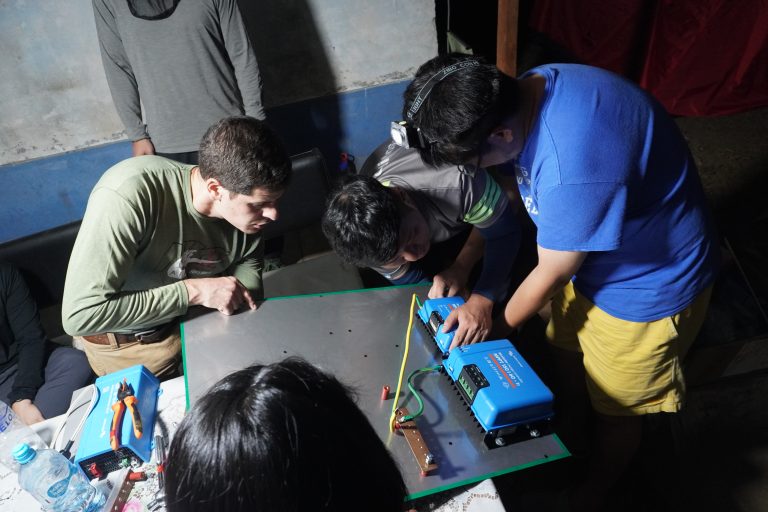
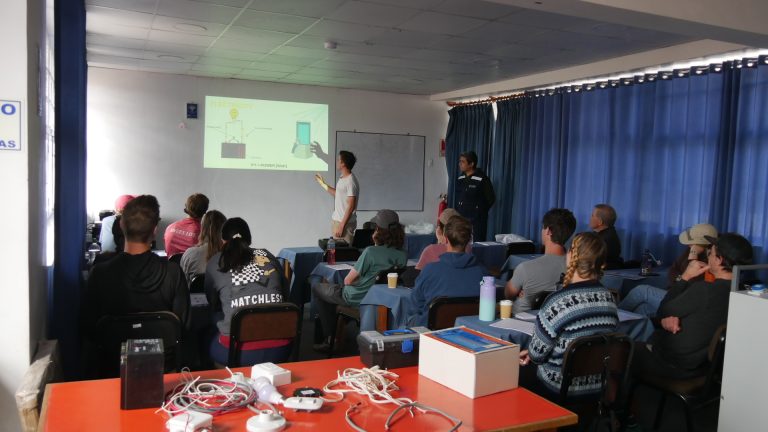
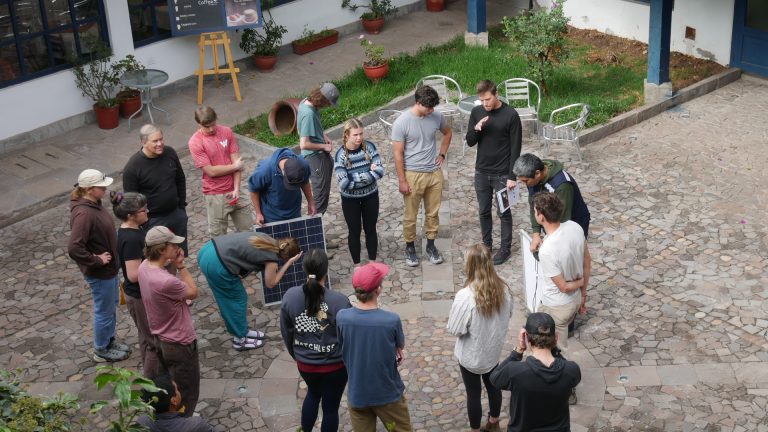
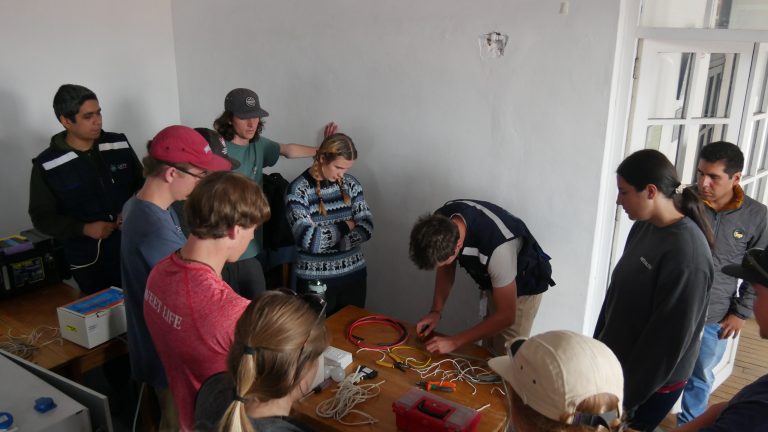
As we wrap up our busy month of May, we conclude with the completion of a third project, taking place in the community of Ipipata located in the Huancavelica region. In collaboration with SAIT University, Canada, with whom we regrouped in the city of Ayacucho, a small and tranquil city in the center of Peru. There, we began our acclimatization to the altitude and, most importantly, the training of volunteers for what we would be doing there: “the complete installation of a solar system”, from fixing the panels to complete wiring in a school, including the assembly of the electronic box. This activity helped to acquire the necessary knowledge to build such a system, LUTW staff delivered a theoretical lecture on solar systems, followed by a practical session where they assembled a 12V battery system

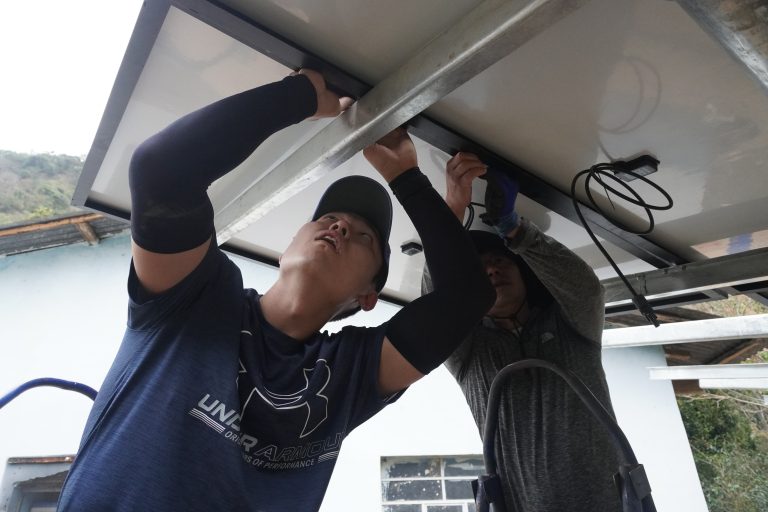
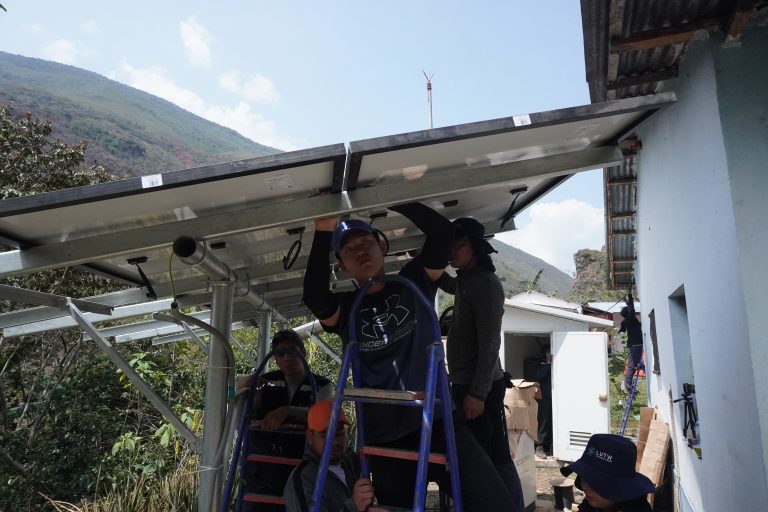
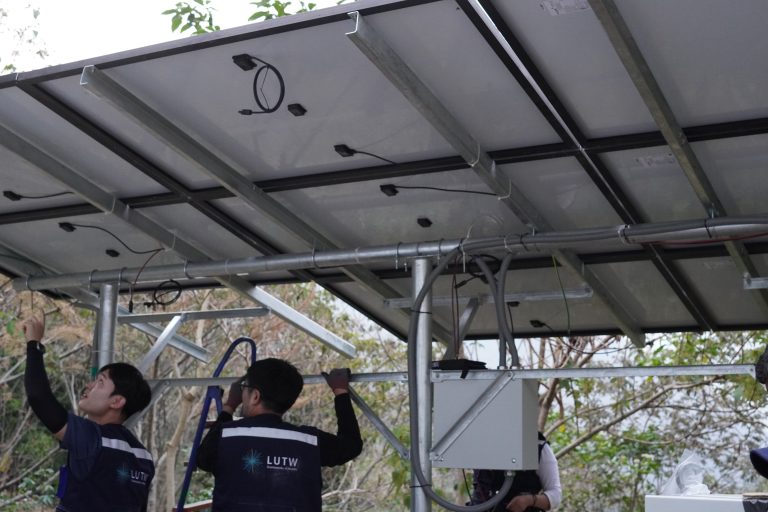
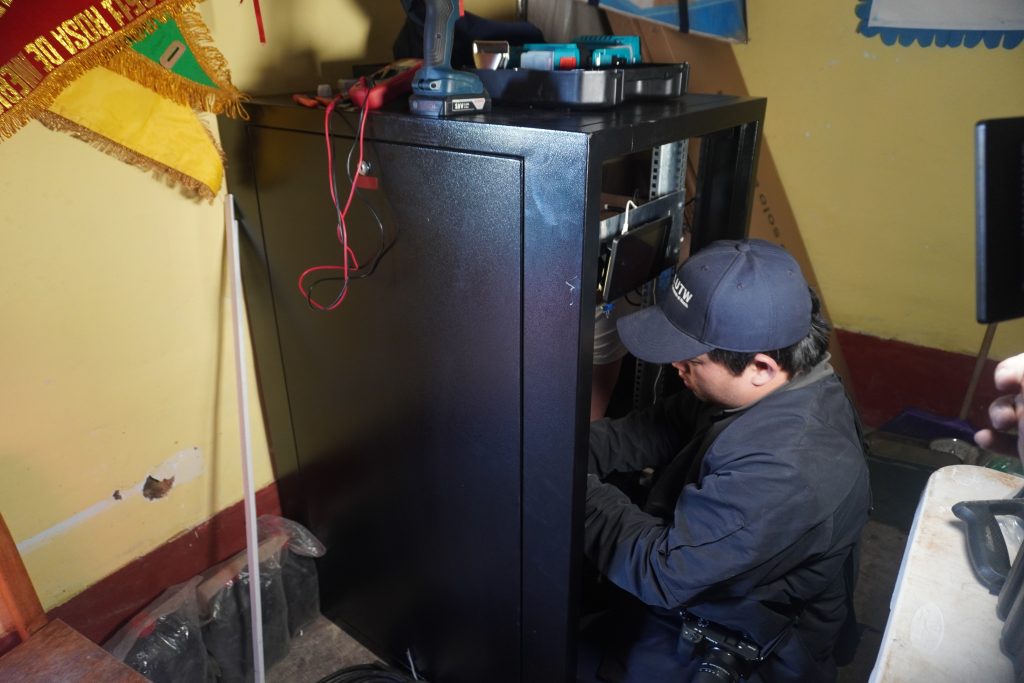
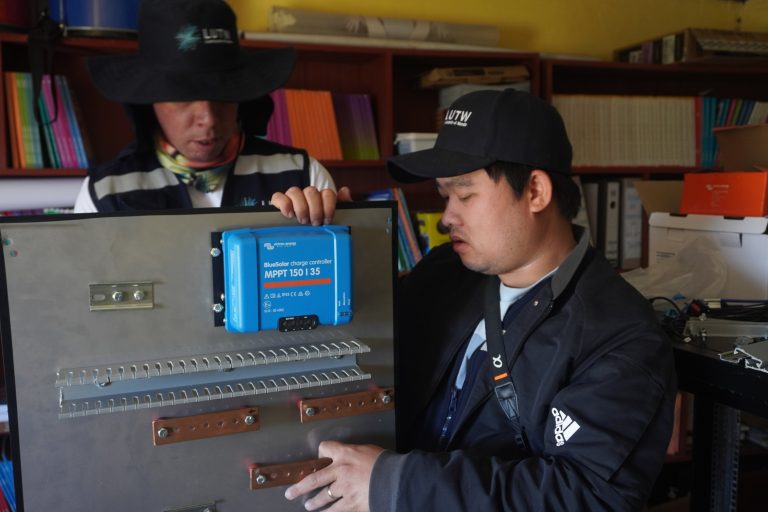
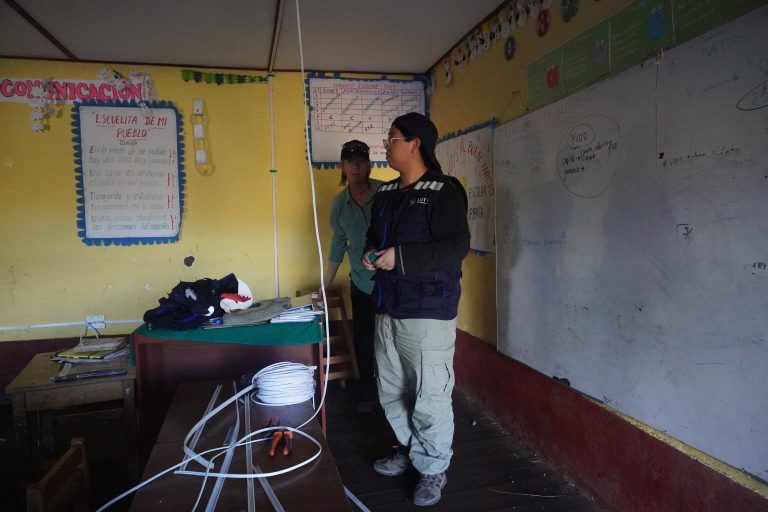
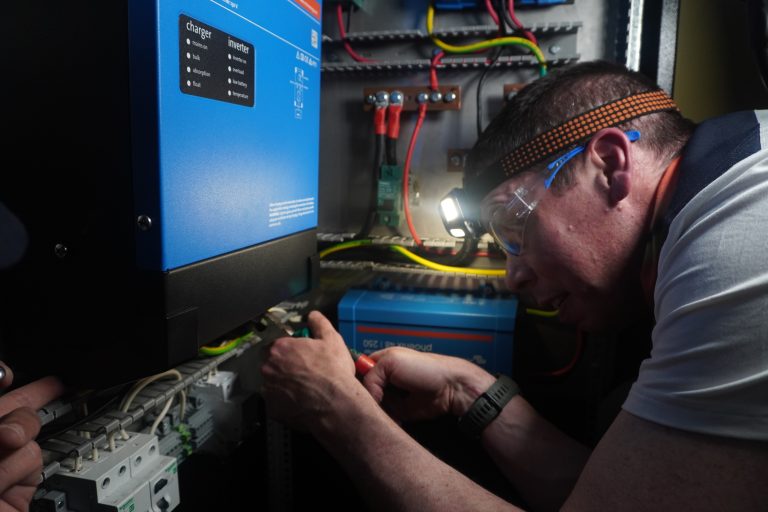
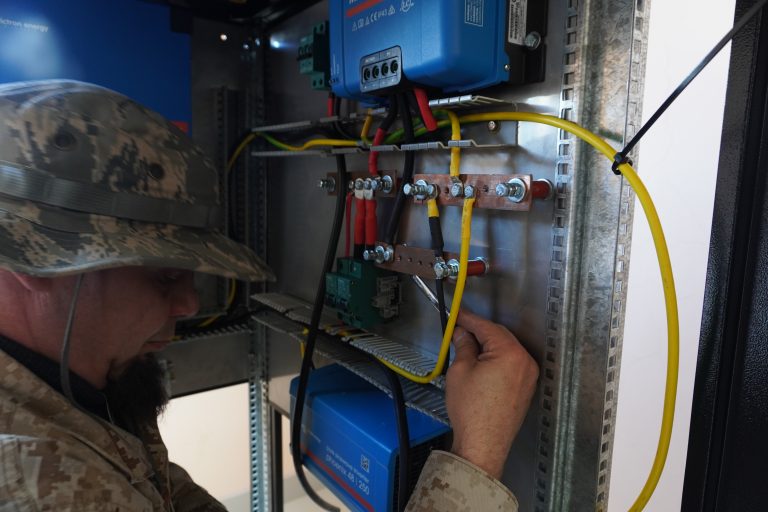
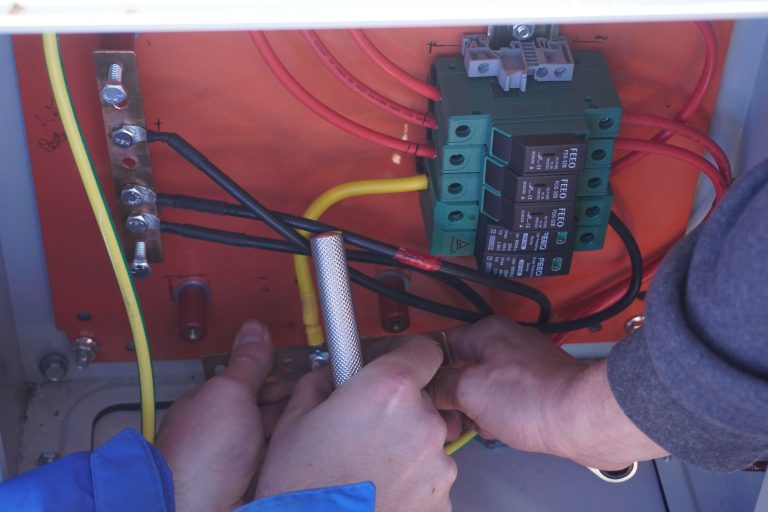
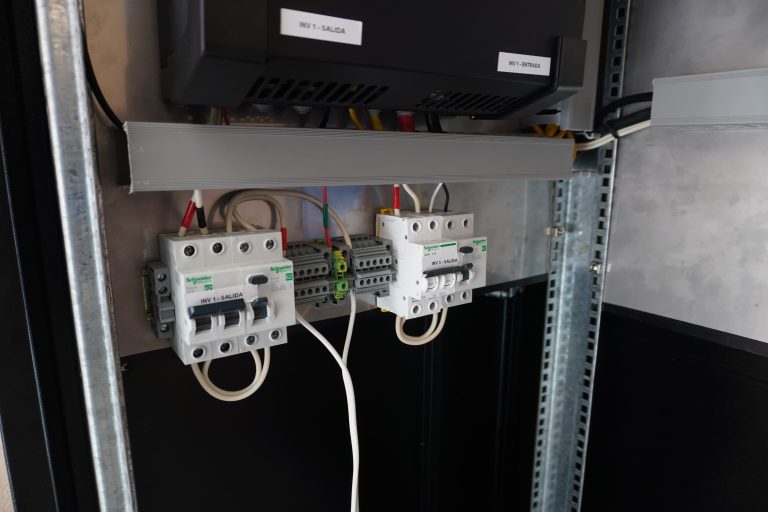
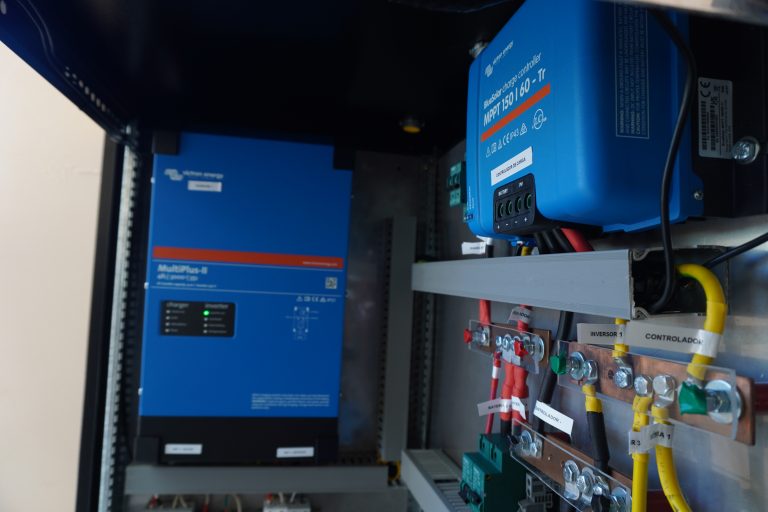
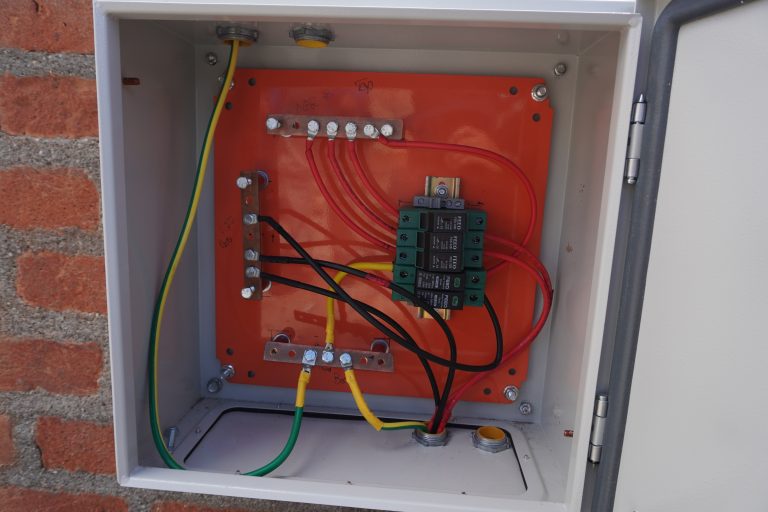
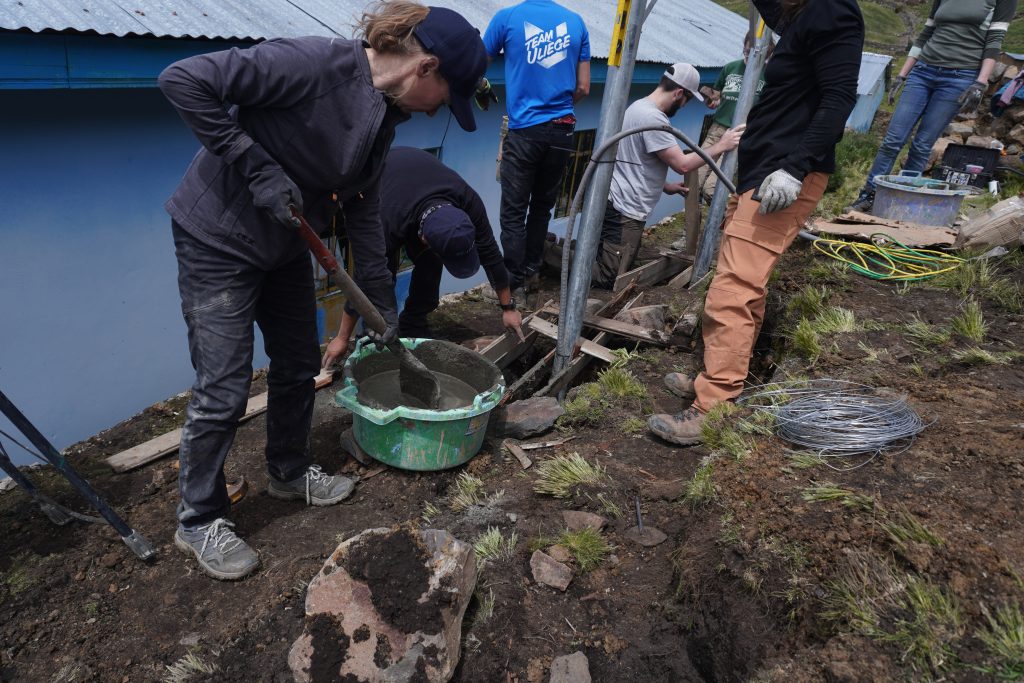
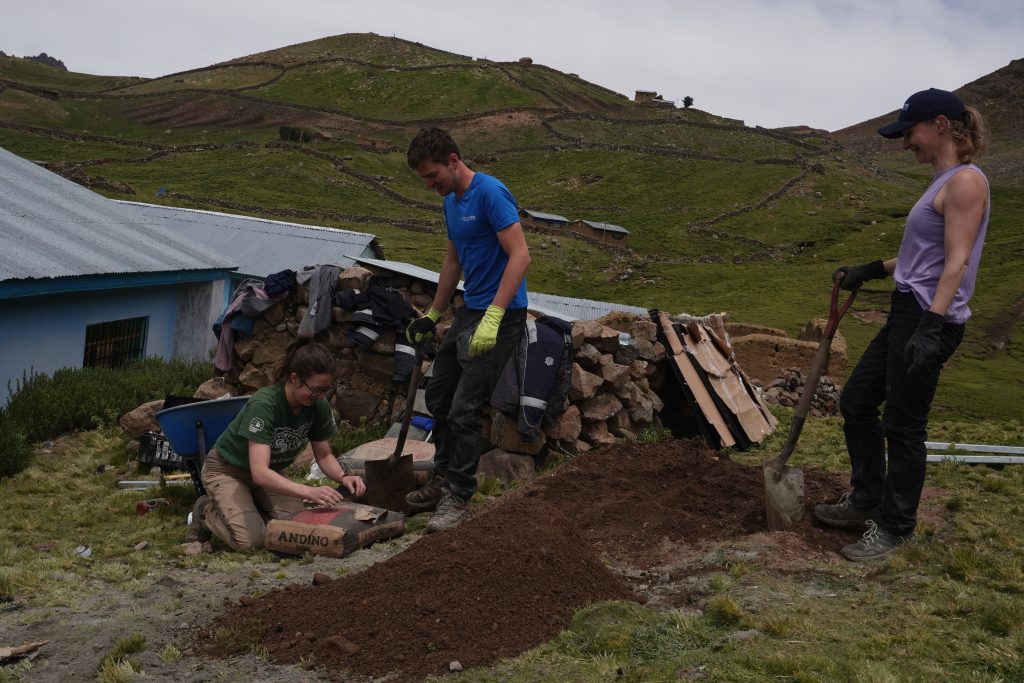
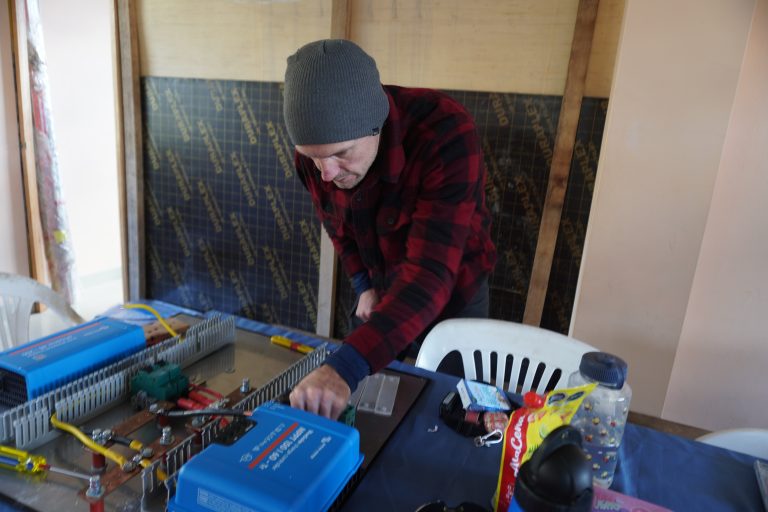
After an impressive car journey from Ayacucho to the Ipipata community, passing through the town of Lircay, it was time to camp at the community’s childcare center. After a good night’s sleep in the cold, it was time to get to work. The group organized into three teams, namely the solar panel team, the electrical box team, and the wiring team. The solar panel team was responsible for installing the panel structure, digging foundations, pouring concrete, fixing the panels, and connecting them to the electrical box. The electrical box team connected all electronic components, such as the inverter and batteries, as well as electrical safety devices, together in the electrical box. Last but not least, the wiring team pulled cables and installed them along with switches, outlets, lights, and floodlights in the school. 

With perfect synchronization and communication, we were able to complete the project in no more than two days, a record for LUTW that would not have been possible without the talent and motivation of this group of volunteers. As we departed, we cherished the comforting memory of our newly installed 1.5 kW solar panel, 4800 Wh battery, and 3 kW inverter system that will power electronic equipment to aid in better learning and teaching according to curriculum levels.

Connecting with the Community: A Blend of Cultures

The cars had barely stopped when we could already see the young students and their teacher waving at us from afar, in front of the school. They had been waiting for us all day and were undoubtedly excited about the project and the arrival of foreigners in their town. However, we could sense that other people were not as enthusiastic about the project. Later, we would discover that a lack of communication had led to misconceptions about the project and its objectives, prompting us to consider new and more efficient communication methods that would resonate more easily with the entire community, in our ongoing effort to improve.

The children were the focal point of the relationship we built with the community; they were there every day with us, armed with curiosity and a desire to learn about all the tools used to bring electricity to their school. At the end of each workday, a soccer match was played, and we only went to our respective homes when darkness took the ball out of sight.

On the inauguration day, the mothers were there along with all their children and some of the men to share an excellent meal made with one of the village’s sheep. It was time to dance, and we had the best dance floor of our lives to enjoy, amidst the mountains, with Peruvian rhythms playing on speakers powered by the system we had just installed. At the end of the day, “Frea,” a boy from the school, turned on the floodlight that illuminated the soccer field, which also served as the town’s central plaza, with a heartwarming smile on his face, allowing us to play our final soccer match under the stars.

Clean Technology Integration Process.

In May 2024, two teams of NAIT students and professors travelled to the remote community of Santa Rosa to install an Integrated off-grid photovoltaic and internet system to provide the community with reliable access to electricity and internet for the first time in its history. The project duration was approximately 6 months that comprised of logistics planning, equipment procurement, the design of an integrated internet system with voucher capability, and project execution.

Photovoltaic system details

The photovoltaic system has many unique features implemented by LUTW especially designed for rural communities. The system uses three separate inverters, one to provide energy to the community center, another that provides energy to the elementary school, and a third smaller inverter that all the internet is powered from. The two large inverters can output 3kW of power providing access to all loads in the community center and elementary school independently of one another. This means if one inverter were to go down then the other building wouldn’t be affected at all. The third inverter ensures that LUTW maintains constant communication with the community through remote monitoring and in the unlikely situation where both inverters were down the community would still have internet and an emergency power supply for charging cell phones to communicate. Through multiple layers of redundancy and remote monitoring, the system is set to adequately meet the energy needs of the community for many years to come.

The individual equipment that make up the photovoltaic system were each carefully selected taking into account: overall quality, brand reputation, warranty, local replaceability, cost, maintenance considerations, and future expansion capability. The system includes two 5kWh Lithium Iron Phosphate (LFP) batteries that are UL listed and rated for over 15 years of calendar life with a 10 year warranty. Each battery also comes complete with several safety protection features and two battery management systems (one operational and one redundant). The battery management system communicates directly with the charge controller to indicate exactly how it is to be charged given mainly temperature and battery state of charge. The battery communicates this information along with 15 other pieces of information to the monitoring equipment for LUTW to ensure that it continues to work properly. 

Integrated satellite internet system details

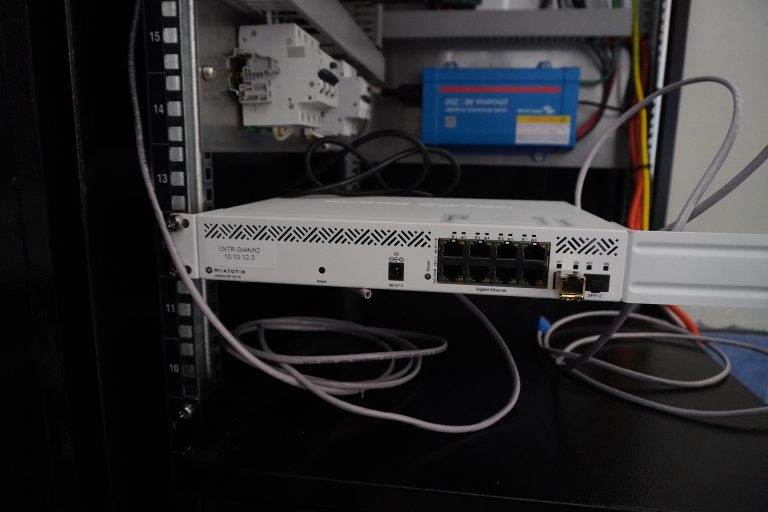
The installed satellite internet system was designed specifically for the community of Santa Rosa to provide internet to the health clinic, community center, and elementary school. Satellite internet service is provided through Starlink and distributed to 7 access points where the community can connect to a variety of networks based on their location. Signal is sent wirelessly by an antenna to the health clinic (~300m away), and distributed through a wired connection throughout the community center and elementary school. This allows for community members, teachers, students, and health professionals to connect to high speed internet inside the buildings and within a ~30m radius outside of the elementary school.

The system includes networks for different users: community members, students, teachers, health professionals, and an innovative voucher system developed by the wireless technology program at NAIT. The voucher system allows the community to sell internet access and/or share the cost of the monthly payment amongst themselves. In this case the community of Santa Rosa will receive the support from the local municipality to pay the monthly internet backend connection and therefore they will charge outsiders a small fee that will go into a community fund to be used for activities throughout the year. If however, payments from the municipality are discontinued they are able to evenly distribute the monthly cost between only 12 community members by using previously generated codes to distribute access and keep track of time online. This increases the sustainability of the internet system and provides an economic benefit to the community. The system is fully supported by LUTW through an online platform and VPN where all wireless equipment can be accessed and configured remotely.

Life changes begin in rural communities

Through the integrated internet/photovoltaic system LUTW is able to achieve reliable and sustainable electricity and internet access for the community of Santa Rosa. Early usage data shows consistent daily internet and energy consumption with one community member taking full advantage of the system to further his personal online software business while working remotely in the community with his family. Dalton Soto is using the internet to work remotely and still be close to his family to help out with managing their livestock. He has several clients for whom he creates websites for and works on mobile apps all in the community of Santa Rosa. He says the system has changed his life and has allowed him to work and be with his family, something that has not been possible in the past due to the lack of energy and internet in the community.

Volunteer Experience

LUTW projects give volunteers a unique opportunity to experience energy poverty first hand and change a remote community forever with an integrated internet and solar photovoltaic system. In this case, NAIT students worked together as a team, problem solved, and gained experience installing a sustainable system capable of providing off-grid community buildings with energy and internet that will last 20+ years. The students got to travel deep into the Peruvian Andes mountains, appreciate incredible views, camp and live in a remote community, and immerse themselves in true Inka culture. Participants reflect on the experience as a life changing and something that they are very proud of and will never forget.

During the Installation

NAIT students got hands-on experience installing solar modules, off-grid solar inverters, lithium-ion batteries, charge controllers, and an integrated internet system. The team split into 4 groups: the solar panel team, the electrical box team, the cabling team, and the internet team whom installed the system in 6 days. The system serves the community center, the elementary school, and brings internet to the health clinic. The students used theoretical knowledge that they learned in the classroom and through previous work experience to install the system to a high standard ensuring the system will last for decades into the future.

Intercultural Competence

Volunteers immerse themselves in the culture of the Andean people throughout the duration of the project. They discover what life is like in rural areas and participate in community activities such as local markets, traditional celebrations, eating and cooking traditional food, and observe animal management. In Santa Rosa de Santa Ana (like many areas of the Andes mountains of Peru) community members raise alpacas to then harvest their wool and also eat. Students observed how the community took advantage of all parts of the alpaca leaving very little waste. It is common for community members to manage over 50 alpacas, a select few have even amassed more than 100. Through this experience, students gain intercultural competence through experiencing local customs and learning first-hand about local values and beliefs. By engaging directly with the community they develop empathy for the community and gratitude by having the chance to better the community through a LUTW project.

Solving challenges

Working in a remote area brings many challenges such as equipment limitations, energy and communication scarcity, time constraints, and weather conditions. Volunteers must work together as a team to complete the project on-time to handover the system to the community on the last day. During this process in Santa Rosa, students showed resilience, resourcefulness, and adaptability as they overcome the challenges that a typical project will throw their way. They learn how to manage their time on the project site by balancing the tasks that must be completed by their group for the day with the quality that is expected by LUTW and the community to ensure the system functions properly in the long term. 

Getting to know cultures: Exchange of experiences

Working on a remote project requires volunteers to demonstrate resilience, resourcefulness, and adaptability as they overcome challenges and work together to complete the project on-time and to a high standard. Through their project experience, volunteers immerse themselves in Andean culture, participating in local activities and learning about customs and values, which helps them develop intercultural competence, empathy, and a greater appreciation for the community they are serving. In Santa Rosa, NAIT students gained hands-on experience by working in teams to install a solar-powered energy system that brought internet access to a rural community’s health clinic, school, and community center in just six days. LUTW projects offer volunteers and students a life-changing experience, where they work together to install sustainable energy and internet systems in remote communities, while immersing themselves in local culture and create lasting change in one particular community forever.

Solar Project Santa Rosa Community - WOOREE

Our Past, Our Present: Facing Realities

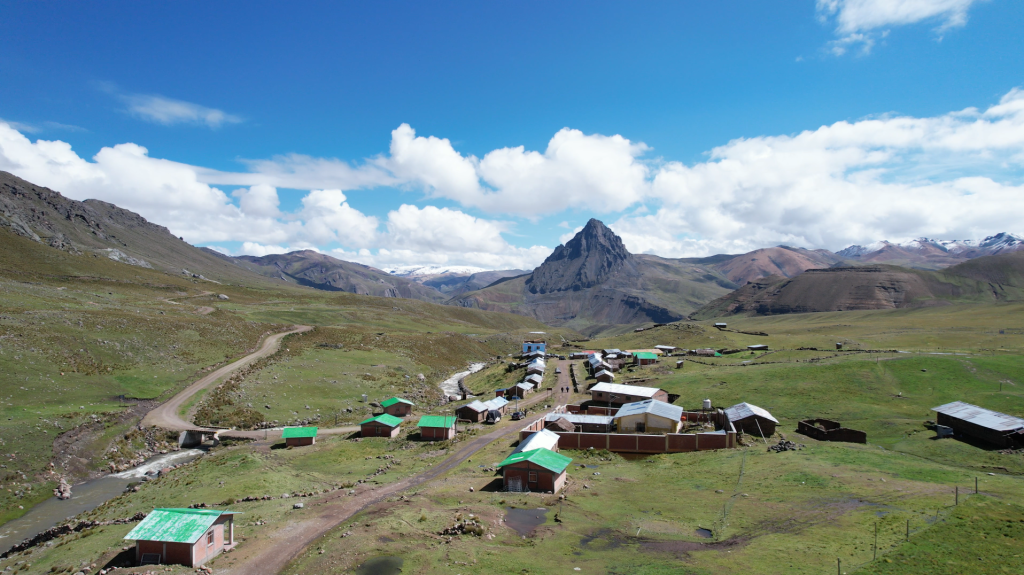
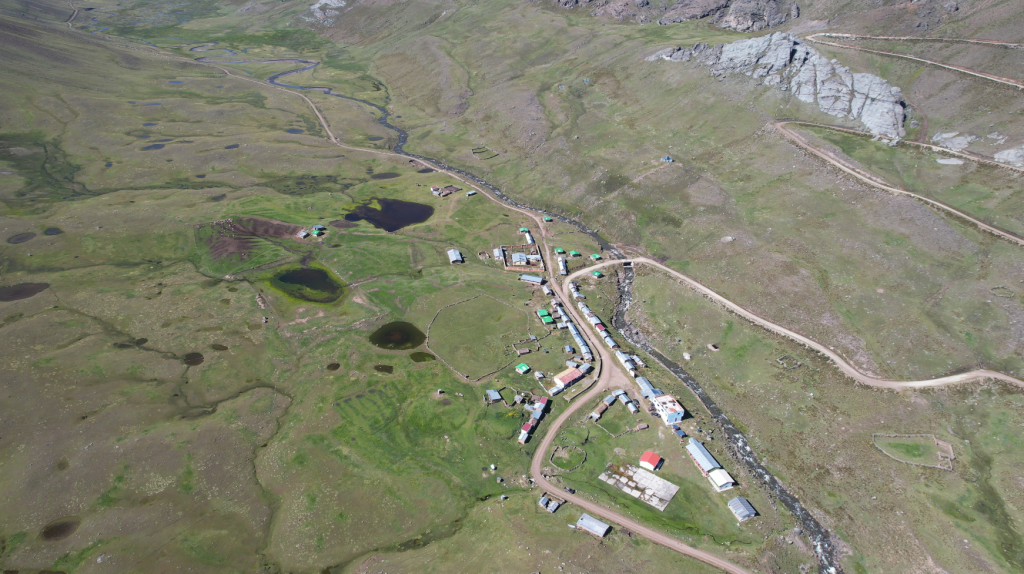
During our first visit to the community, we were greeted by a vibrant green landscape dotted with rocky hills and splendid plains. Under a blue sky, the sun shines brightly at certain times of the day, while at others, a cloudy sky heralds the arrival of a gloomy cold accompanied by rain. A river winds along the edge of the village, where houses are scattered along newly opened streets. In the heart of the community, we found the health post, a vital facility for the residents.

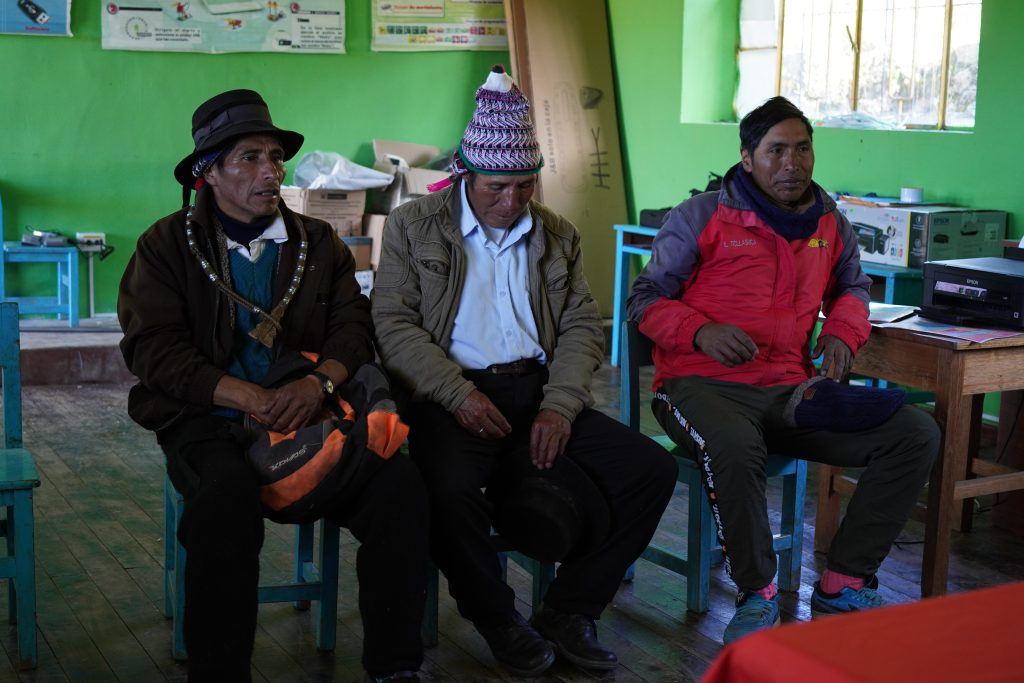
We had the opportunity to meet Don Justiniano, a man who has lived in the community his entire life since his birth in 1979. He shared his story with us, marked by the lack of electricity, where candles and lanterns were the only sources of light. Over time, alpaca breeding became his primary means of livelihood, and bartering handmade textiles for food was a common practice. Despite advances in other parts of the world, his community is still waiting for state or organizational support to access basic services that could transform their daily lives.

Dalton, a young community member, shared his experience with us. Born in the community, he had to migrate after completing his primary education in search of better educational opportunities. He recalled how his early education was limited, leaving him at a disadvantage when he moved to the city. Despite having equipment like computers, which were obtained through community efforts, the lack of electricity prevents their use. The lack of energy also hinders health campaigns and the implementation of long-term plans, leaving the community in a state of constant adaptation to its limitations. Dalton emphasizes that if the community had access to basic services, the outlook for its inhabitants would be much more promising.

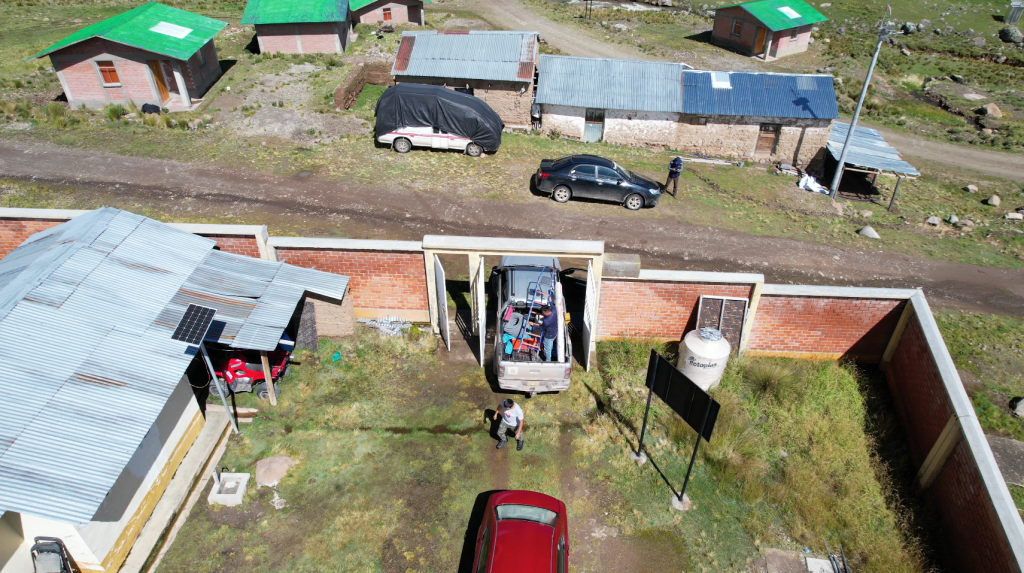
On March 12, during the project’s execution phase, the community members gathered with great anticipation to help unload materials. Óscar, the head of the health post, guided us through the facilities, showing the spaces where the long-awaited energy would be installed. He shared how, despite having equipment sent by supervisory offices, the lack of electricity forces them to keep it stored away. Attempts to obtain support from local mining companies were in vain, and the lack of resources has led to limited medical care, with professionals often resigning or providing services sporadically due to the harsh conditions. Everything in the community must adapt to existing constraints, directly affecting the quality of life and development of its residents.

Contributing to a Prosperous Future in the Santa Rosa Community

After an exhaustive assessment of the lack of essential services in the Santa Rosa community, our technical team decided to implement a 2.22 kWp photovoltaic system, complemented by a satellite internet system and access points for the health center, which serves the entire community. Santa Rosa, located at 4,367 meters above sea level and six hours from the city of Ayacucho, is in a region where accessibility is a challenge: the roads are partially paved, and the remainder is a dirt track.

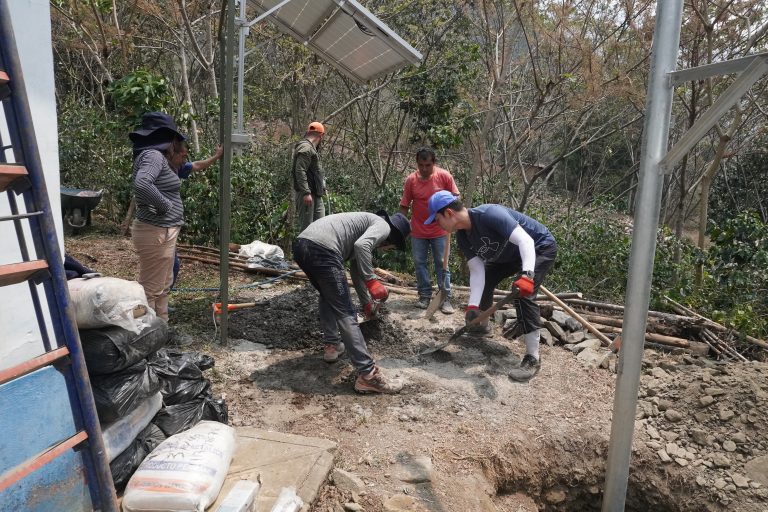
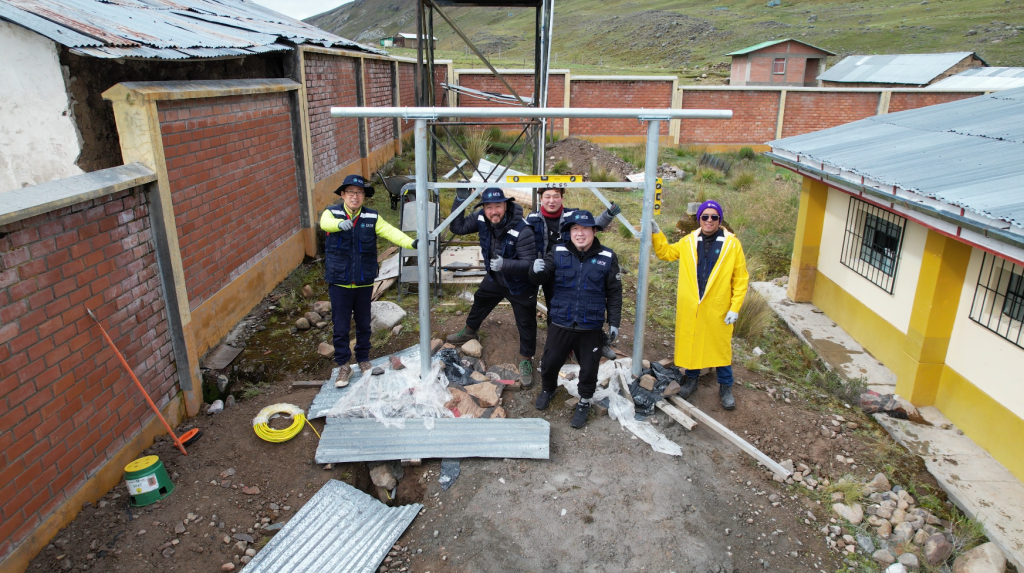
Despite facing cloudy days, heavy rainfall, and cold afternoons, the team proceeded with the installation activities as planned. The first task was to dig and mount a metal pole for the solar panels. Although the rains and fatigue from the depth of the work forced a temporary halt, the support of the community members was crucial in completing this phase in two continuous days.

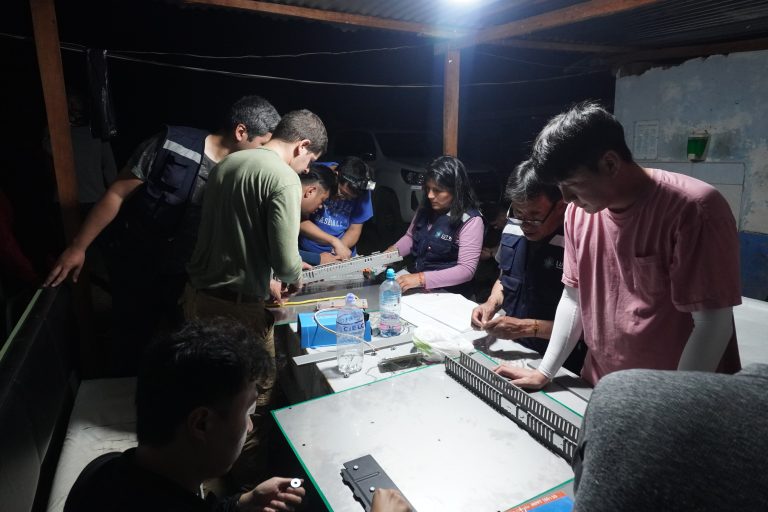
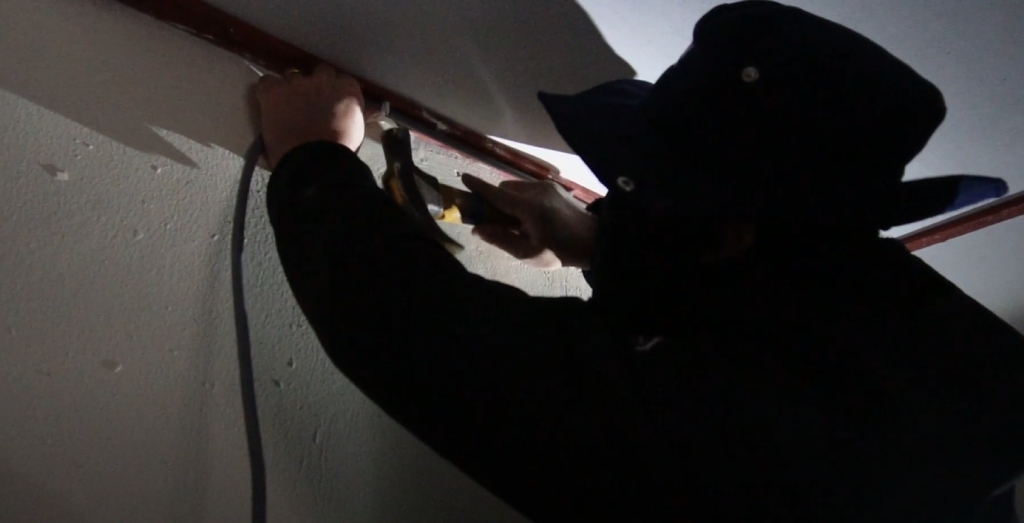
Meanwhile, other team members were responsible for wiring the lights and installing the electrical cabinet inside the health center rooms. As the afternoons grew darker, visibility became more challenging, but with the help of flashlights, the connections could continue until the end of the day. By the third day, the lighting system was complete, and final tests were conducted before the official inauguration and handover of the system to the health center officials, in the presence of the beneficiary community members.

The final event was a moment of great emotion for the community. Authorities and residents expressed their deep satisfaction in finally bringing light to their health center, an achievement they had long awaited. Their words of gratitude reflected the recovery of hopes that had nearly been lost after years of unsuccessful petitions to local governments. Today, thanks to the intervention of a foreign organization, that dream has become a reality.

The day concluded with a fellowship lunch under the torrential rains and lightning that struck the community, but the joy of having achieved a goal that will contribute to the development of Santa Rosa prevailed among all present.

Adapting During Community Living

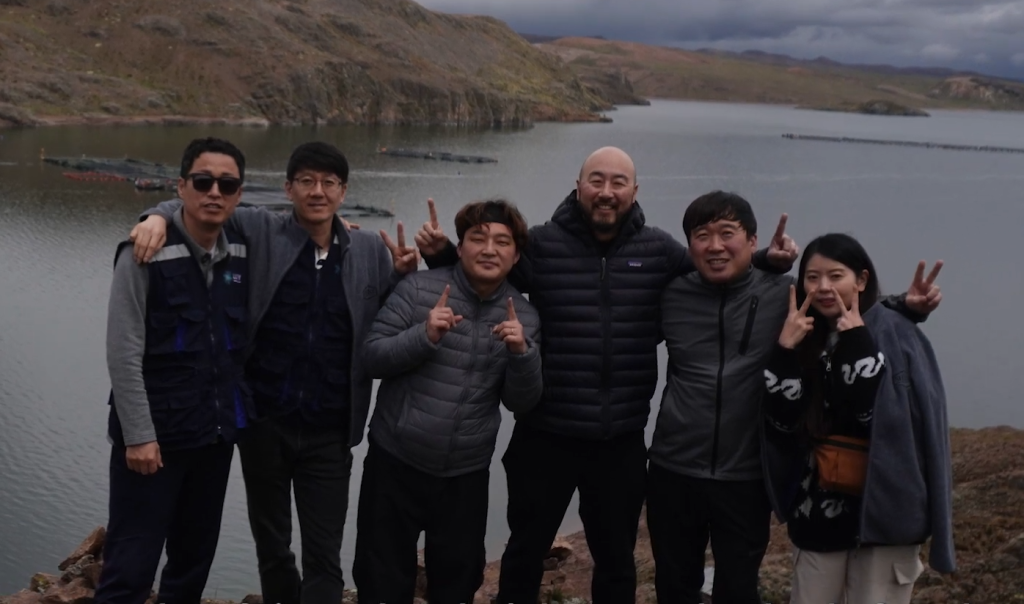
The empathy of the volunteer groups was evident, as demonstrated by our WOOREE team, who traveled from distant lands to support the mission of providing access to essential services. After years of collaboration with LUTW in communities without access to electricity, WOOREE arrived in Santa Rosa with a firm commitment to contribute to sustainable development. This passion for creating equal opportunities led the volunteers to travel to the most remote communities, sharing daily life with their inhabitants and facing the extreme weather conditions.

In the mornings in the Santa Rosa community, the climate was very cold, but with an impressive landscape, with tranquil fields and the sound of the wind blowing through the streets. The river that borders the community adds a constant murmur, while the weather changes rapidly from clear to stormy, challenging both residents and volunteers. Despite the language barriers, with volunteers speaking Korean and the community members speaking Quechua or Spanish, gestures and the assistance of the LUTW team allowed for effective communication and progress with the installation of the solar system.

The team in charge of the solar panels worked under adverse conditions, facing extreme cold, intense heat, and torrential rains. However, their determination to reach the goal was stronger than the climatic challenges. They knew that by completing their task, they would be fulfilling the community’s dream: having access to electric light.

Daily interactions between the volunteers, the LUTW team, and the community members created a rich intercultural exchange. Following the motto “everyone deserves the same opportunities,” each participant made an effort to adapt and learn, reflecting values such as kindness, camaraderie, and teamwork. Despite the language difficulties, the volunteers shared games, meals, and experiences, even trying to learn a few words in Quechua or Spanish to greet or say goodbye, and showing their gratitude for the hospitality received through gestures.

The WOOREE group expressed their deep satisfaction with the project. Today, with great strength, they see that their efforts have borne fruit, allowing the community to take another step towards development. The solar system not only illuminates the health center but also the future of Santa Rosa. The volunteers leave with unforgettable memories, taking with them the warmth of the people and the moments shared in this corner of the world, which stands out from any other place they have visited.

A Call for Help: The Community's Challenge

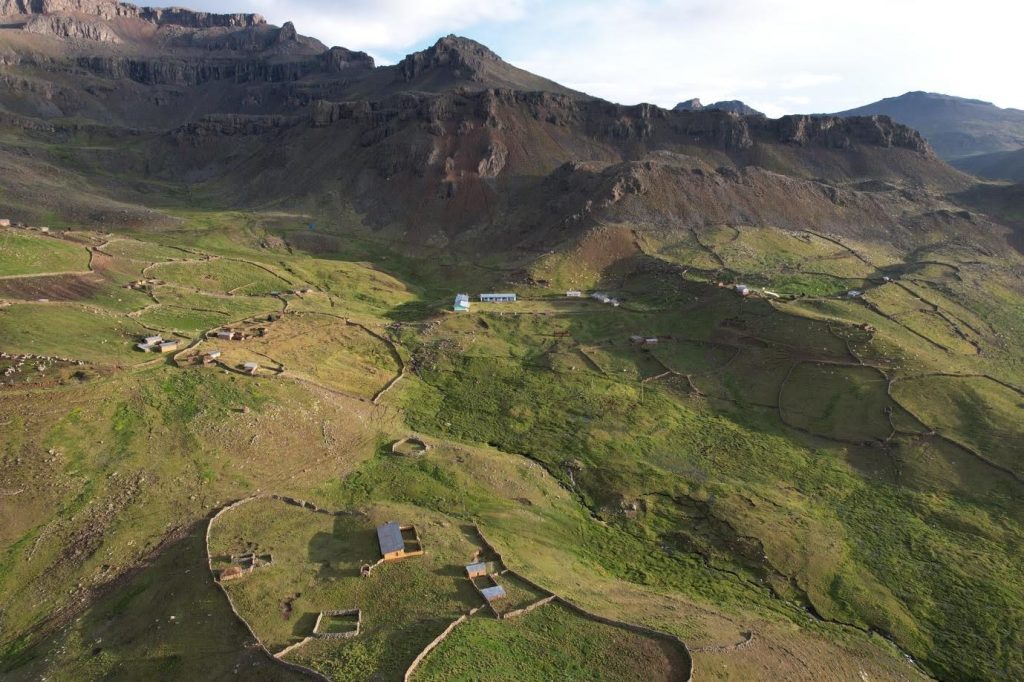
Santa Rosa de Llillinta is located in the district of Pilpichaca, in the Huancavelica region, with 40 active community members. It is situated at an altitude of 4,278 meters above sea level, where temperatures plummet sharply during cold spells and communication is nonexistent. This community is a living example of rural Andean life. Men, women, and children live immersed in a challenging environment where agriculture and livestock farming are their only means of subsistence. They extensively raise alpacas and llamas in their rugged mountains. They always live in harmony with their scenic surroundings, respecting natural cycles and heavily relying on them for their sustenance.

Every morning at the early hours of dawn, activities begin. Adults prepare to go to the fields while children head to school to attend their classes. In the afternoons, they take advantage of natural light to do their homework. Teachers prepare their lessons according to the available resources or bring physical materials from the city to fulfill the students’ education. They are limited to using electronic equipment, which is not possible to use due to the lack of electricity.

The absence of services has led people to adapt. Adults utilize sunlight to complete all their tasks, prepare food, have very basic or no electronic equipment, and are unaware of national events. At the same time, children attend classes, help with their parents’ daily activities, and easily decide to skip classes, drop out of school, or give little importance to learning due to a lack of motivation. The same goes for teachers who come from other places; faced with scarce or extreme services, they tend to resign, reduce class hours to have more travel time to their homes in the cities, or even cancel classes without makeup sessions. These factors cause the quality and learning to be significantly lower compared to children in urban areas.

Despite the difficulties, the inhabitants of Santa Rosa de Llillinta have shown resilience and creativity to adapt to deficiencies in access to energy and communication services, among others. The implementation of the electrification project with solar panels has represented a transformative change for the community, bringing back hope that development is possible and that they can access technologies and quality education and well-being opportunities.

Electricity Present in the Community

While OECD countries benefit from 100% access to electricity, more than 1.6 million Peruvians, mainly inhabitants of the Andean and Amazonian regions, do not have this access [World Bank]. In the Huancavelica region, the community of Santa Rosa de Llillinta is located, which is the poorest in Peru [CIES]. In these regions, where few rural households are connected to the national grid, the lack of energy access generates few job opportunities and undermines education, leaving few chances for development. By supporting the development of tools that ensure higher standards of education, access to electricity in schools becomes a fundamental pillar for enhancing growth in the region.

With a strong will to provide high-quality electricity in rural areas, we focused this project on building a photovoltaic installation for the community’s primary school. The 1.5 kW installation has been designed to power numerous appliances of various types, such as lights, computers, a printer, phones, projectors, speakers, and more, with a daily clean electricity production averaging 7 kWh. This installation will benefit not only the 15 students attending classes at the school but also the 40 inhabitants of the community who will be able to use the rooms and the system for many other purposes. Additionally, for the first time, we are proud to have installed high-speed satellite internet with the objective of providing the community and the children with a broader vision of the world in which they participate.

Contributing to People's Dreams:

In the heights of Huancavelica, Peru, lies Santa Rosa de Llillinta, a high Andean community where dreams of education were overshadowed by the lack of light and resources. The school, a beacon of hope in the middle of the mountain range, had no electricity or internet, limiting the potential of its children as it is more than 5 hours from the city of Ayacucho. One day, hope arrived in the form of a rural electrification project. The NGO Light Up The World (LUTW), together with volunteers from Yukon University in Canada, embarked on an adventure to change the future of the community. The ambitious and challenging project required the installation of a solar photovoltaic system and a Starlink satellite internet system. More than 20 people, including LUTW members, volunteers, and the community itself, joined forces into an unstoppable force. However, nature had other plans. The river that connects the community with the main road was swollen, preventing the passage of the trucks transporting the materials. Adversity did not stop the team. On foot, and with the help of llamas and alpacas, they began the ascent towards Santa Rosa de Llillinta, at more than 4,400 meters above sea level. 

The community, committed to the future of its children, joined the effort. Men, women, and children carried materials on their shoulders up the steep slopes, demonstrating their determination to reach the light of knowledge. After days of hard work, the project was completed. The school lit up for the first time and the Internet opened up a world of possibilities for the students. Joy and hope were reflected in their faces.

It is important to highlight the fundamental role played by the authorities of the community of Santa Rosa de Llillinta, as well as by APAFA of the educational institution, in the realization of this project. Their effort and dedication were key to the success of the initiative and transformed the lives of the children in the community. The rural electrification project in Santa Rosa de Llillinta is a beacon that illuminates the path to a better future. It is an example of how collaboration, determination, and technology can transform lives and ignite dreams in the most remote communities.

Light Up The World continues to work to bring light and education to the communities most in need. If you want to support our work, you can make a donation or volunteer. Join us and ignite dreams. #LightUpTheWorld #SantaRosaDeLlillinta #RuralElectrification #Education

Our Volunteering Memories

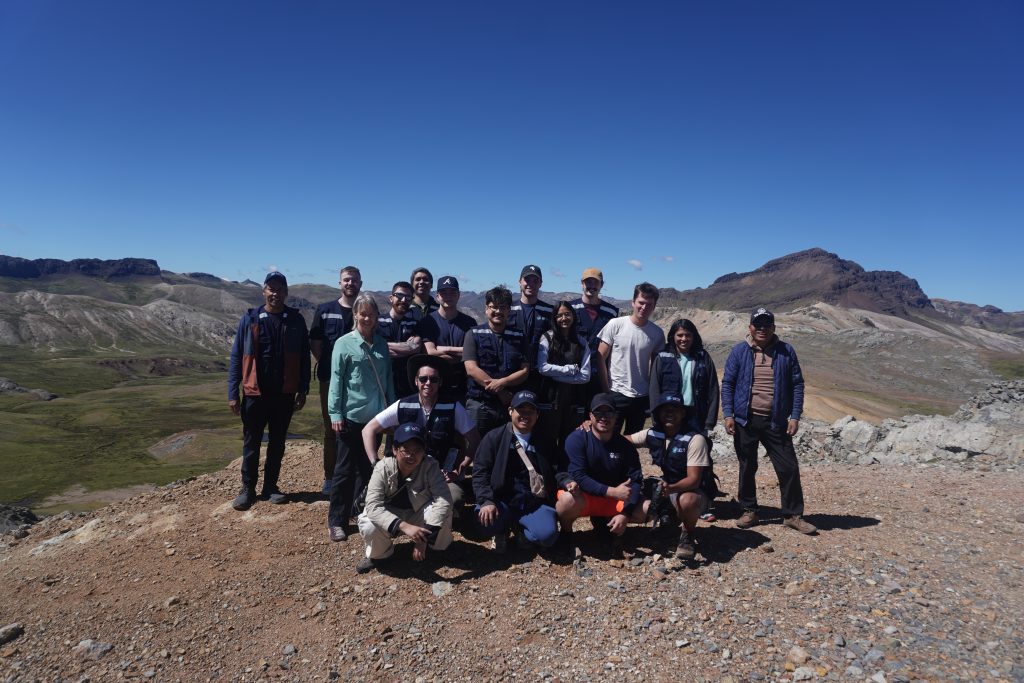
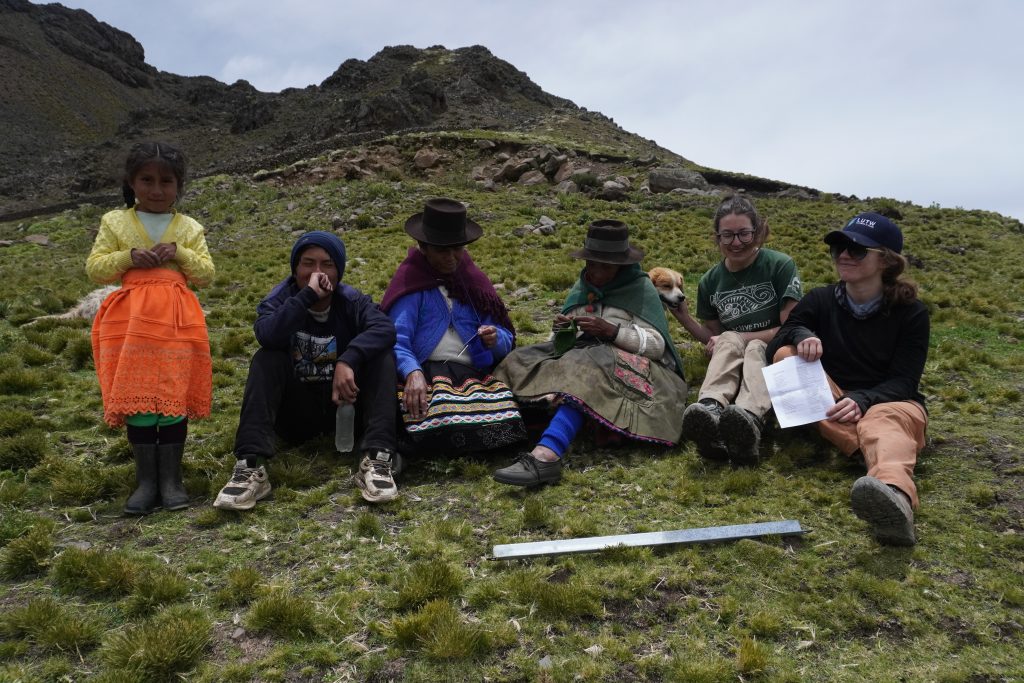
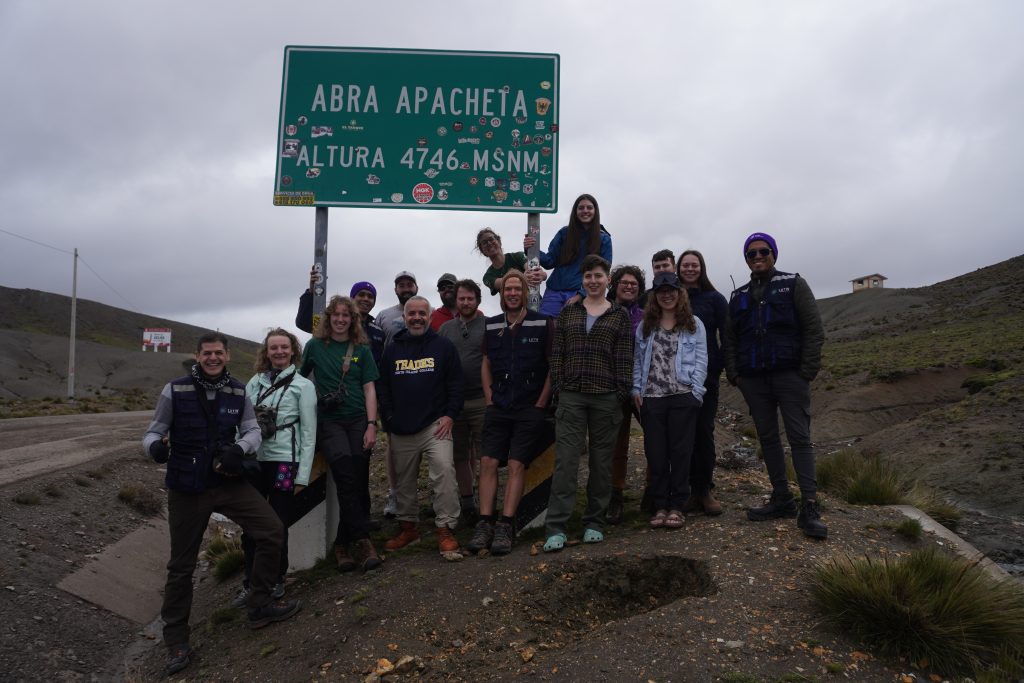
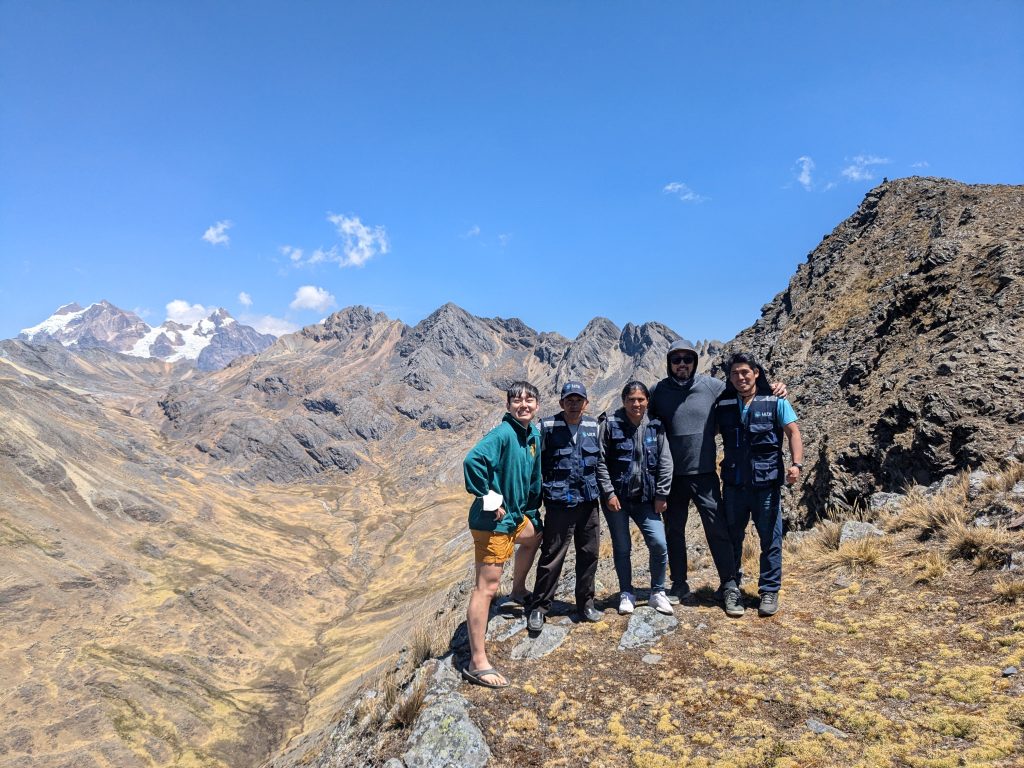
Those that have participated in various LUTW volunteer trips will tell you that no 2 projects are the same. The community, the landscape, the system install, and the conditions in the community are all factors that change from one community to the next. The Yukon University project in the community of Santa Rosa de Llillinta was no exception. The 14 participants and 6 LUTW staff travelled deep into the beautiful Andes mountains driving 4 hours from the nearest high Andean city Ayacucho to reach the community.

Upon reaching the community the challenges the group will have to combat were immediately evident. The intense sun, cold nights, lack of electricity, and high altitude all challenged the team. Despite this, the comments of the group about the community revolved around the incredible view of the river valley, the amazing hikes and viewpoints to go to, and the hundreds of alpacas that walk through the community daily. During the four days that the team stayed in the community the volunteers connected with the local people, some were able to communicate in Spanish with the locals and a few even learned a few words in the Andean language Quechua (The indigenous language of the Andes mountains).

This isn’t to say that the team didn’t work while in the community. The team was tasked with cabling three buildings completely from scratch, building the electrical box where the main components are installed, and digging holes and mounting posts for the 4 solar panels to be installed. After the installation was complete the community celebrated with the team by preparing a local meal of alpaca soup and stew and an inauguration ceremony where community leaders and leaders from Yukon spoke thanking one another for their efforts during the project. Many volunteers expressed how impacted they felt by the words of the community and recognized the communities efforts in assisting with the system installation.

The community then surprised the group having them participate in a traditional ceremony and dance. Volunteers were thrilled with this experience as was the LUTW team as it was the first time that the team participated in such an event. After saying some emotional goodbyes, the team left the community leaving behind a functional electrical system and satellite internet. During the return trip volunteers talked about the interactions they had with community members, the amazing photos they captured of the area, and the incredible impact that they left behind.

Reflecting on the experience back in Ayacucho many felt not only that they impacted the community, but that the community and the experience of living with them had profoundly impacted them. Seeing and experiencing how the locals live first hand left a lasting impact on them which made them proud to think that, with the solar system, they were able to directly contribute to the betterment of children and education in the community and made them grateful for electricity and internet services that we often take for granted in North America. For many, it was a life changing experience that the group nor the community will ever forget.

Bridging Worlds: A Korean-Peruvian Collaboration for Change

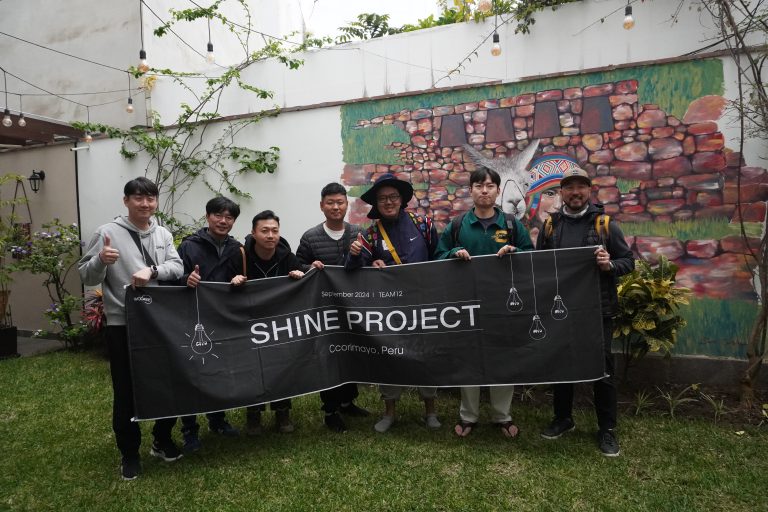
Deep in the Peruvian jungle, nestled amidst the remote mountains of Cusco, lies the small community of Ccorimayo. Here, at nearly 15,000 feet above sea level, the local medical post faced an immense challenge: the lack of reliable electricity. Doctors relied on aging solar batteries, which, after eight years of use, began to fail, leaving critical medical equipment inoperable during the night. For urgent cases, patients endured a grueling five-hour journey to the nearest clinic in Yanatile. This was the reality we set out to change.

The Beginning: Training and Teamwork

When Light Up The World (LUTW) partnered with Wooree Company for the twelfth Shine Project, we knew this would be no ordinary mission. Six passionate volunteers traveled from Korea to join us, ready to bring light—and hope—to Ccorimayo.

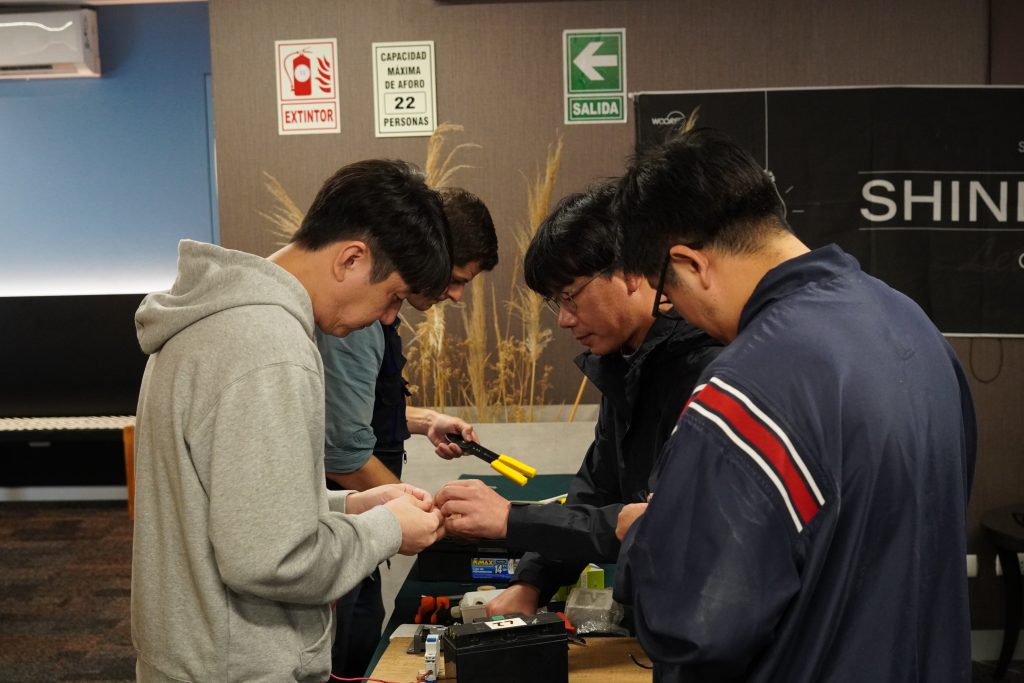
Before embarking on this transformative journey, the team gathered in Lima for an intensive training session. Over a day filled with circuit exercises and practical lessons, we prepared for the challenges ahead. The camaraderie built during this training set the tone for the next seven days.

The following day, we began our journey to Ccorimayo—a 13-hour expedition through winding mountain roads. Though exhausting, it offered us a glimpse of the breathtaking landscapes and the resilience of the communities we were about to serve.

Overcoming Setbacks in Ccorimayo

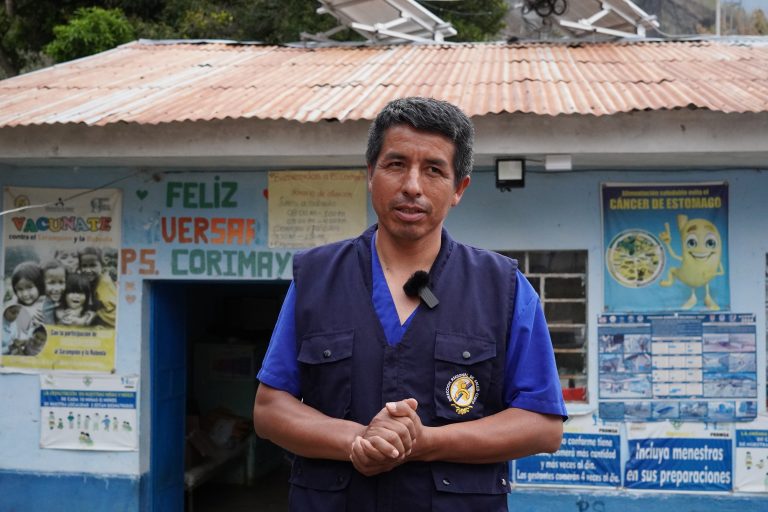
Arriving at the medical post, we were greeted by Benjamin Ballesteros, the dedicated lead nurse. His stories underscored the urgency of our mission. However, just as we were ready to start, we discovered one of the solar panels had been damaged during transport—a setback that could jeopardize the entire project.

Thanks to Benjamin’s recently installed Starlink satellite, we connected with an ally in Lima who managed to arrange a replacement panel. It was a testament to teamwork and determination that we were back on track within days.

Looking Ahead: A Brighter Tomorrow for Ccorimayo

As we packed up on our final day in Ccorimayo, we couldn’t help but marvel at the transformation. The clinic, once plagued by unreliable power, now stood as a beacon of hope, equipped to provide care at any hour. The solar energy system we installed was more than just technology—it was a promise of better healthcare, improved connectivity, and a brighter future for this remote community.

Though the journey was challenging, it was also deeply rewarding. The bonds we built with the community and the lessons we learned from their resilience will stay with us forever.

This project isn’t the end—it’s a beginning. It’s a reminder of how much can be accomplished when people from different cultures come together with a shared purpose. And it inspires us to continue bringing light, power, and hope to more places in need.

Conclusion: Join Us in Lighting Up the World

As we journeyed home, we reflected on the incredible impact of this project. But this is just the beginning. Thousands of communities like Ccorimayo remain in need of sustainable energy solutions.

If this story has inspired you, consider supporting Light Up The World (LUTW). Together, we can continue to bring light and hope to those who need it most. Learn more at LUTW.org. Let’s keep shining brighter, together.