Bring your students to Peru to power a rural school
For universities, colleges and technical institutes in Canada and the United States. LUTW’s International Academic Solar Program gives your students a once-in-a-lifetime chance to apply what they learn in class to a real-world, real-stakes infrastructure project: bringing solar energy and internet connectivity to a rural school in Peru. LUTW handles the logistics, training and safety in the field, so you and your students can focus on the work and the learning.
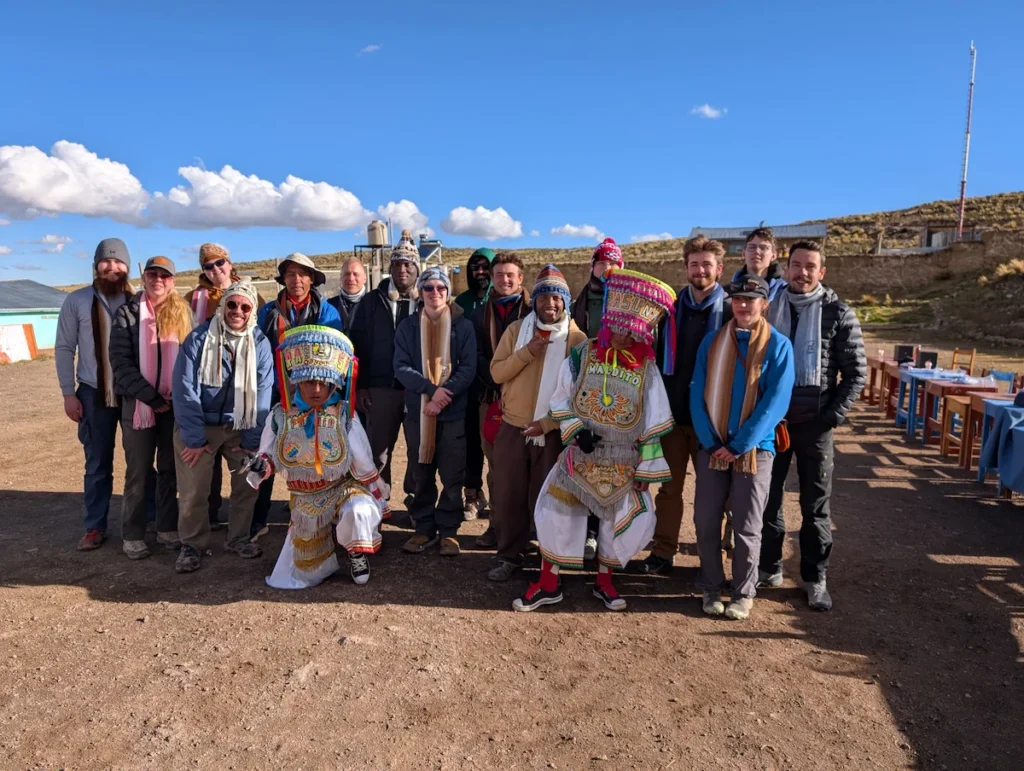
11 days
from Lima to the Andes and back
4 days
of hands-on solar and connectivity installation
12 - 13 students
plus 1–2 faculty members on a typical project
6 - 9 months
of planning, from first contact to departure
"My biggest takeaway from this experience is that community is a very important thing. Because back home, we’re all very individual and we rely on ourselves for what we need. But here in this community, everybody relies on each other. And so I feel this has shown me how important community really is: building and maintaining a community."
Sawyer Houston, ’26, ASU LUTW student volunteer
A real infrastructure project, not a tour
No prior solar experience is needed. LUTW staff train your students and guide every step, while your group takes on real responsibility for the installation.
Train
A full-day solar workshop with a technical manual: how battery-based off-grid PV systems are designed, wired and maintained.
Install
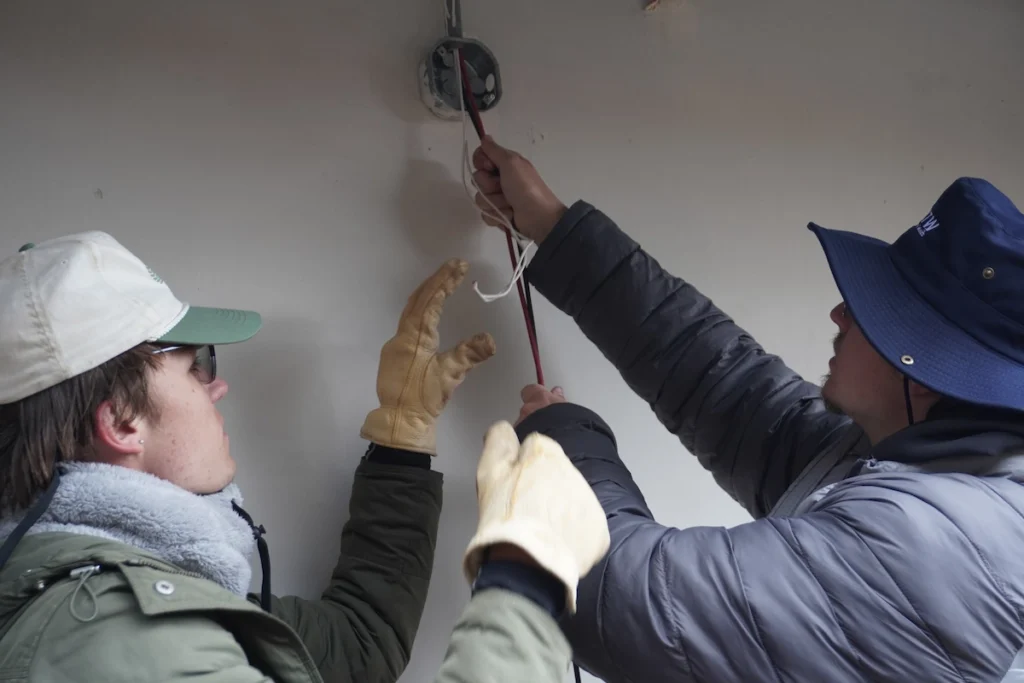
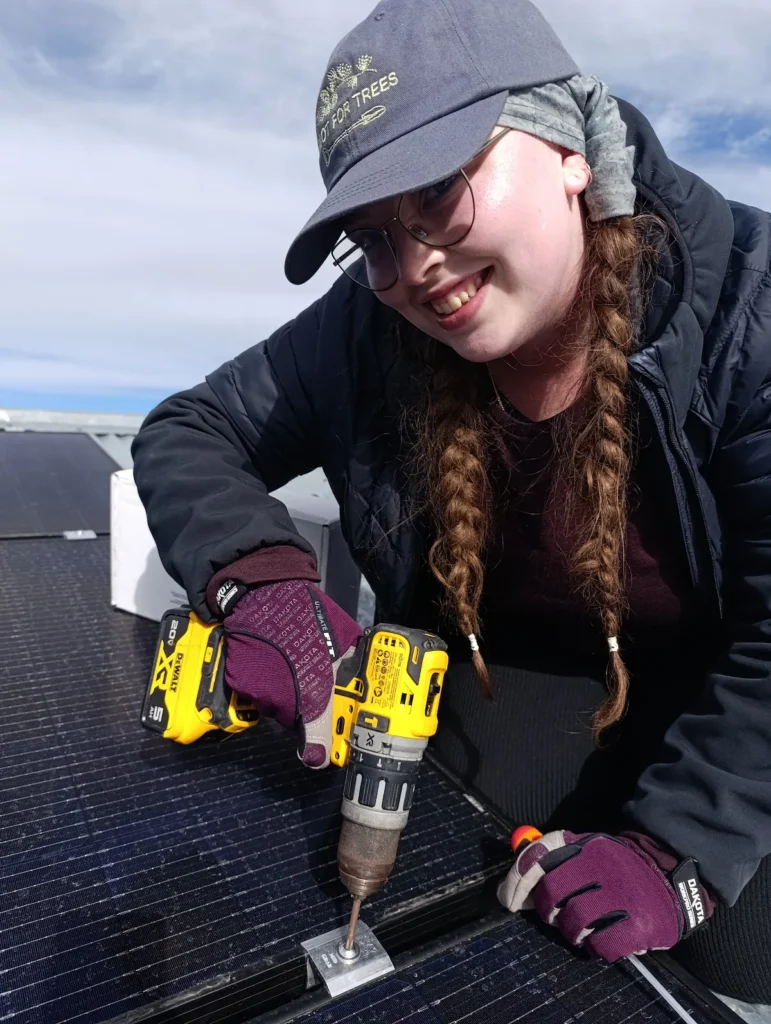
Four days on site in the community, working in teams to install the solar, battery and connectivity system, and solving the problems that come up.
Connect
Camp in the community, share meals and celebrate the handover with families, teachers and students. Cultural exchange is part of the work.
Experience employers notice
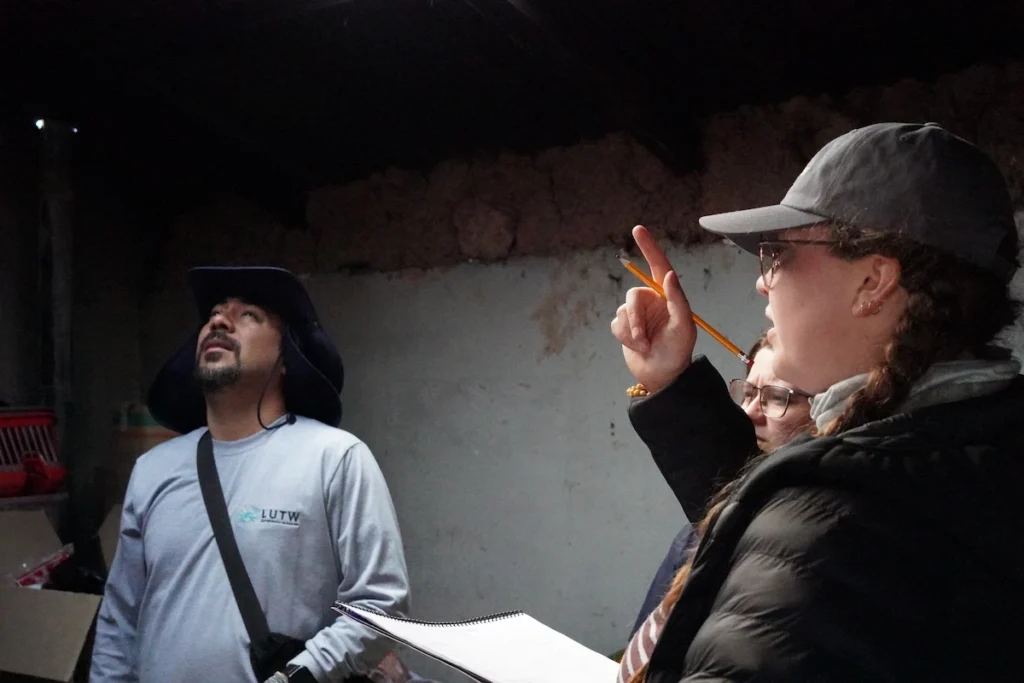
Students work in teams in unfamiliar territory, out of their comfort zone in many ways, and are encouraged to take on leadership roles and solve problems on site. LUTW makes sure the environment is safe and built for experiential learning and cultural exchange.
Hard skills
- Project management on a live infrastructure project
- Technical skills in off-grid solar PV design, installation and maintenance
- Technical skills installing a satellite internet system
Soft skills
- Cultural understanding
- Teamwork
- Problem-solving
- Adaptability
- Resourcefulness
- Perseverance
- Resilience
- Leadership
Career readiness
50%
of project alumni believe their LUTW experience helped them secure a job. Many have used it in interviews and on their résumé to show they have both the technical knowledge and the soft skills to work on tough problems in a team.
Who benefits
Your students
A chance to use classroom skills on a project that matters, and real experience to show employers.
The children
Teachers with digital tools improve the quality of education, attendance and attention in class, and encourage students to continue to post-secondary studies.
The teachers
Better lessons with digital tools, and more pride in their work.
The community
Access to the school’s energy and connectivity makes communication easier and cuts costly trips to submit documents.
Sample itinerary: eleven days, start to finish
Exact plans depend on the community and the season. Your group receives the full itinerary and community details once the project is confirmed. A typical project itinerary looks like:
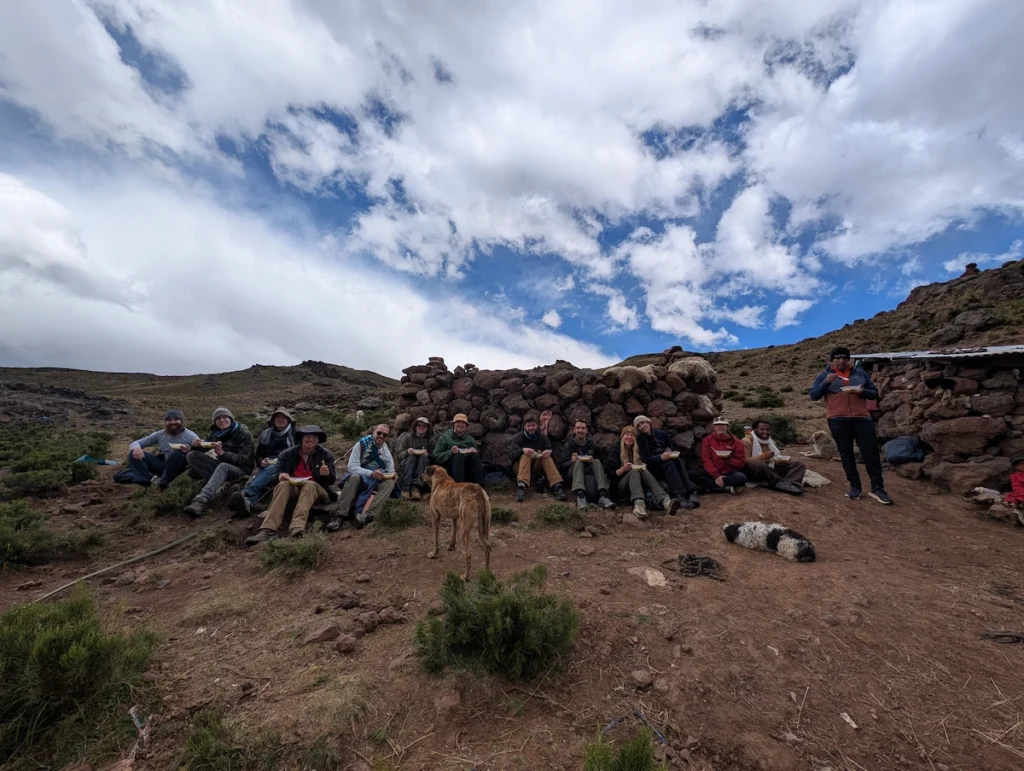
Day 1 — Arrive in Lima, introduction to LUTW and the team
Day 2 — Travel to the project hub, briefing and acclimatization
Day 3 — Full-day solar training workshop
Days 4–8 — Travel to the community and four full days of solar PV and connectivity installation, camping on site
Day 9 — Community activity
Day 10 — Travel back to the project hub and final project debrief
Day 11 — Fly back to Lima, end of program
Contact us for a quote
Every project is planned with the institution, so pricing and deposits depend on your group. Get in touch and we’ll prepare a proposal and quote for you.
What’s typically included
- All domestic travel in Peru, including domestic flights and ground transportation
- Accommodation, meals and water, including camping equipment
- Solar PV system materials and equipment
- Hands-on training workshop with a technical manual
- An unforgettable cultural experience with the community
Not included
- International flights to Peru
- Travel insurance
- Personal expenses and extended travel
Optional add-ons
- Guided Cusco and Machu Picchu trip
- Tourism trip in Ayacucho, Huancavelica or Arequipa
Helping your students fund their participation
Cost shouldn’t stop a motivated student. Most students combine several sources, and the earlier they start, the better. LUTW supports your group with each of these.
01
Education abroad funds
Many universities, colleges and technical institutes offer education abroad, travel or experiential learning awards.
Good to know: students should check with their international or global learning office early. Awards are usually competitive, often require the trip to be approved by the institution, and have deadlines many months before departure.
02
Rotary Clubs
LUTW already has support from Rotary clubs in Canada. Rotary support has been increasing for international service and youth leadership projects. LUTW projects align well with their core value of “service above self“, has a local impact on students and the international impact of alleviating poverty.
How to ask: Contact LUTW for more information about a Rotary outreach package.
03
Local business sponsors
Local businesses, especially in engineering, energy, construction and tech, like to sponsor students doing meaningful work.
What students can offer: a thank-you post with the sponsor’s logo, a photo with their banner on site, and a short presentation to their staff afterwards.
LUTW will recognize them for their contribution to the project on the project placard.
Plan 6 - 9 months ahead
Confirming everything with your group usually takes 3 to 4 months. The trip to the community then takes place about 3 to 4 months later. Each institution’s process is a little different, and we adapt to yours.
1
Contact us
Fill in the short form at the bottom of this page.
2
Email or call
We talk through your goals, program and group.
3
Proposal and quote
LUTW sends a proposal and quote for your group.
4
Itinerary and community
We share the full itinerary and community details.
5
Deposits
Deposits are coordinated with your institution and the students.
6
Waivers
Participants sign registration waivers.
FAQ
Do students need experience with solar or electrical systems?
No. Students from any program can take part. The training workshop and LUTW’s team guide students through every step.
Which institutions can take part?
Universities, colleges and technical institutes in Canada and the United States, with students from any degree or program.
How many participants can come?
There’s no hard limit, but a typical project includes 12 to 13 students and 1 to 2 professors who accompany the group.
What’s the minimum age?
All participants must be 18 or older.
Do participants need to speak Spanish?
No. LUTW’s bilingual team in Peru works alongside the group and with the community. Learning a few words before the trip is always appreciated.
Can students get academic credit?
That depends on your institution. LUTW can share the program details your department needs to assess it.
How physically demanding is it?
The communities are in the high Andes, so expect altitude, cold nights, camping and full working days. The itinerary includes time to acclimatize. Participants should talk to their doctor before travelling if they have any health concerns.
Where do participants sleep and eat?
During the installation days the group camps on site in the community. LUTW provides all camping equipment, meals, water and logistics. Let us know about dietary needs early.
How far ahead should we start planning?
Plan 6 to 9 months ahead. Confirming everything usually takes 3 to 4 months, and the trip takes place about 3 to 4 months after that.
How much does it cost?
Every project is quoted for the group. Contact us for a proposal and quote. Deposit amounts vary from one institution to the next.
Are participants eligible for a tax receipt?
Participants from Canadian groups are eligible for an official Canadian tax receipt for their flight expense given compliance per CRA requirements (Contact LUTW for more information). LUTW can’t issue tax receipts to schools, groups or participants from the United States.
Do participants need travel insurance?
Yes. Travel insurance isn’t included, so each participant needs to arrange their own before travelling.
Plan a project with your students
Tell us a little about your institution and group, and we’ll get back to you to talk through the next steps. Prefer email? Write to lutw@lutw.org.