A Call for Help: The Community's Challenge
Santa Rosa de Llillinta is located in the district of Pilpichaca, in the Huancavelica region, with 40 active community members. It is situated at an altitude of 4,278 meters above sea level, where temperatures plummet sharply during cold spells and communication is nonexistent. This community is a living example of rural Andean life. Men, women, and children live immersed in a challenging environment where agriculture and livestock farming are their only means of subsistence. They extensively raise alpacas and llamas in their rugged mountains. They always live in harmony with their scenic surroundings, respecting natural cycles and heavily relying on them for their sustenance.
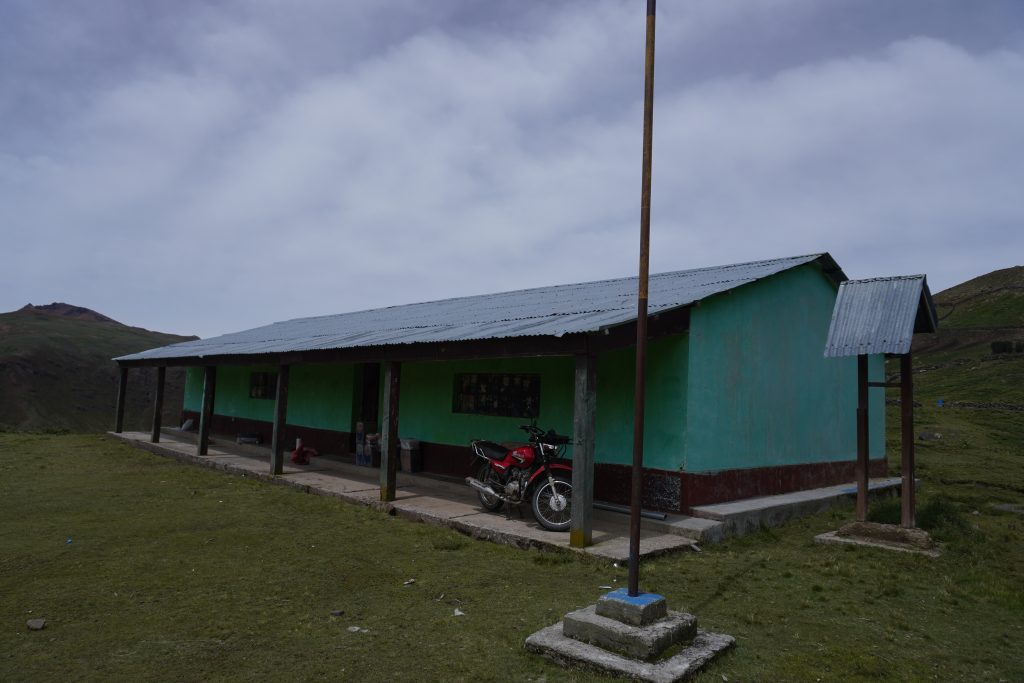
Every morning at the early hours of dawn, activities begin. Adults prepare to go to the fields while children head to school to attend their classes. In the afternoons, they take advantage of natural light to do their homework. Teachers prepare their lessons according to the available resources or bring physical materials from the city to fulfill the students’ education. They are limited to using electronic equipment, which is not possible to use due to the lack of electricity.
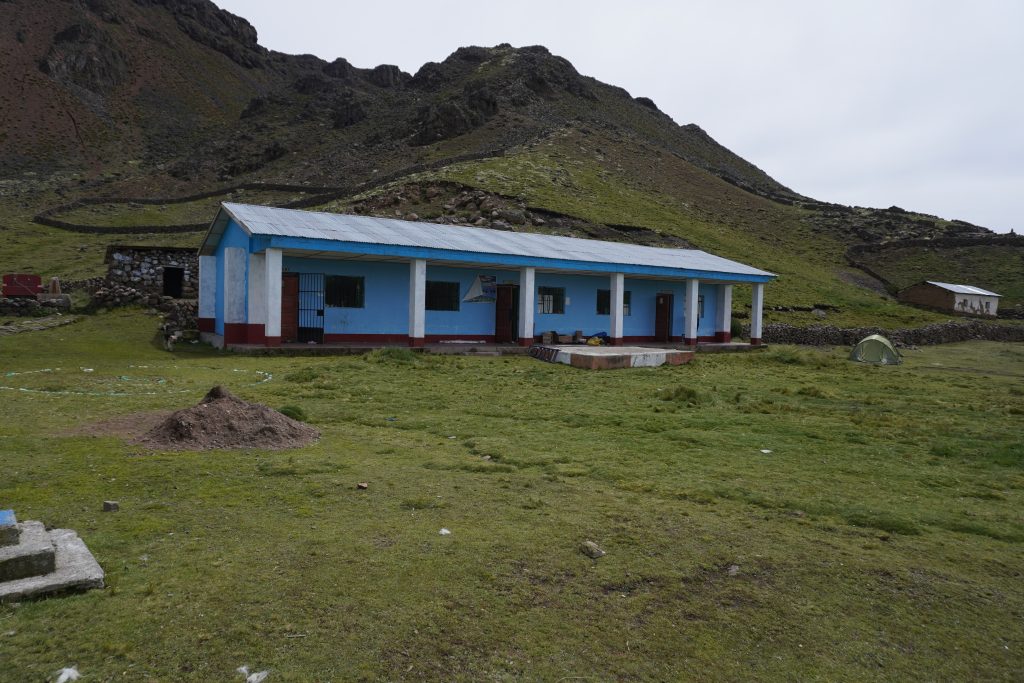
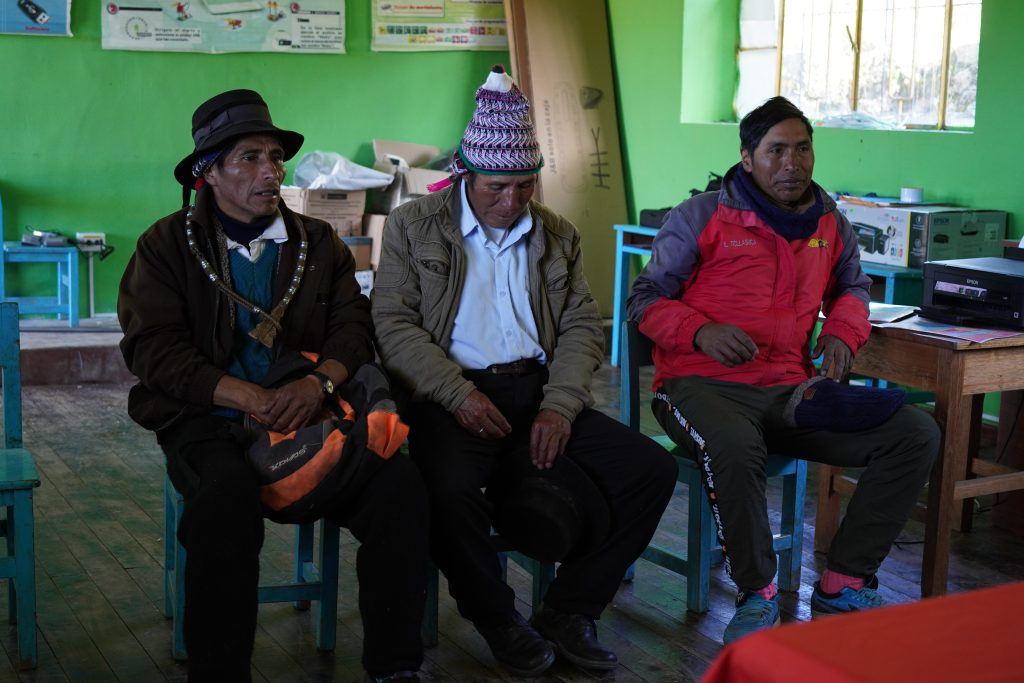
The absence of services has led people to adapt. Adults utilize sunlight to complete all their tasks, prepare food, have very basic or no electronic equipment, and are unaware of national events. At the same time, children attend classes, help with their parents’ daily activities, and easily decide to skip classes, drop out of school, or give little importance to learning due to a lack of motivation. The same goes for teachers who come from other places; faced with scarce or extreme services, they tend to resign, reduce class hours to have more travel time to their homes in the cities, or even cancel classes without makeup sessions. These factors cause the quality and learning to be significantly lower compared to children in urban areas.
Despite the difficulties, the inhabitants of Santa Rosa de Llillinta have shown resilience and creativity to adapt to deficiencies in access to energy and communication services, among others. The implementation of the electrification project with solar panels has represented a transformative change for the community, bringing back hope that development is possible and that they can access technologies and quality education and well-being opportunities.
Electricity Present in the Community
While OECD countries benefit from 100% access to electricity, more than 1.6 million Peruvians, mainly inhabitants of the Andean and Amazonian regions, do not have this access [World Bank]. In the Huancavelica region, the community of Santa Rosa de Llillinta is located, which is the poorest in Peru [CIES]. In these regions, where few rural households are connected to the national grid, the lack of energy access generates few job opportunities and undermines education, leaving few chances for development. By supporting the development of tools that ensure higher standards of education, access to electricity in schools becomes a fundamental pillar for enhancing growth in the region.
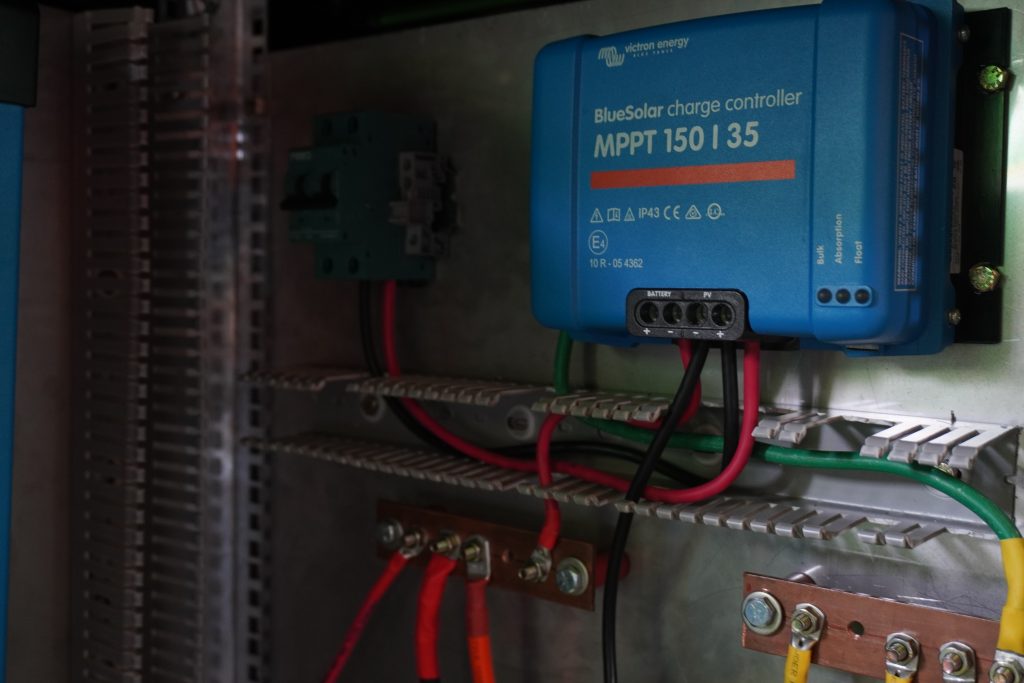
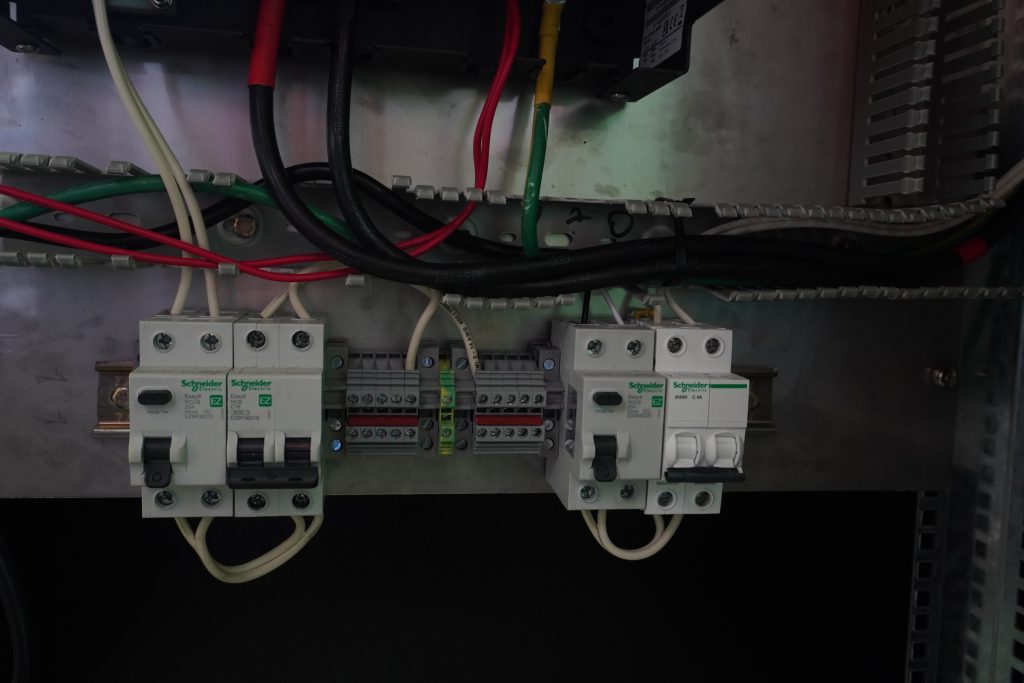
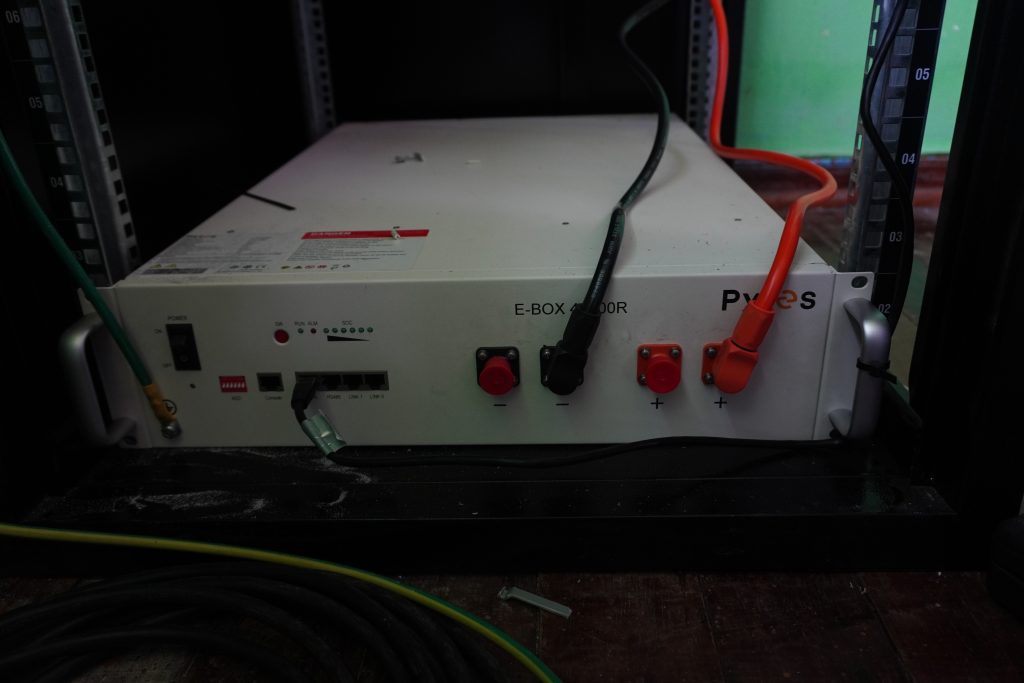
With a strong will to provide high-quality electricity in rural areas, we focused this project on building a photovoltaic installation for the community’s primary school. The 1.5 kW installation has been designed to power numerous appliances of various types, such as lights, computers, a printer, phones, projectors, speakers, and more, with a daily clean electricity production averaging 7 kWh. This installation will benefit not only the 15 students attending classes at the school but also the 40 inhabitants of the community who will be able to use the rooms and the system for many other purposes. Additionally, for the first time, we are proud to have installed high-speed satellite internet with the objective of providing the community and the children with a broader vision of the world in which they participate.
Contributing to People's Dreams:
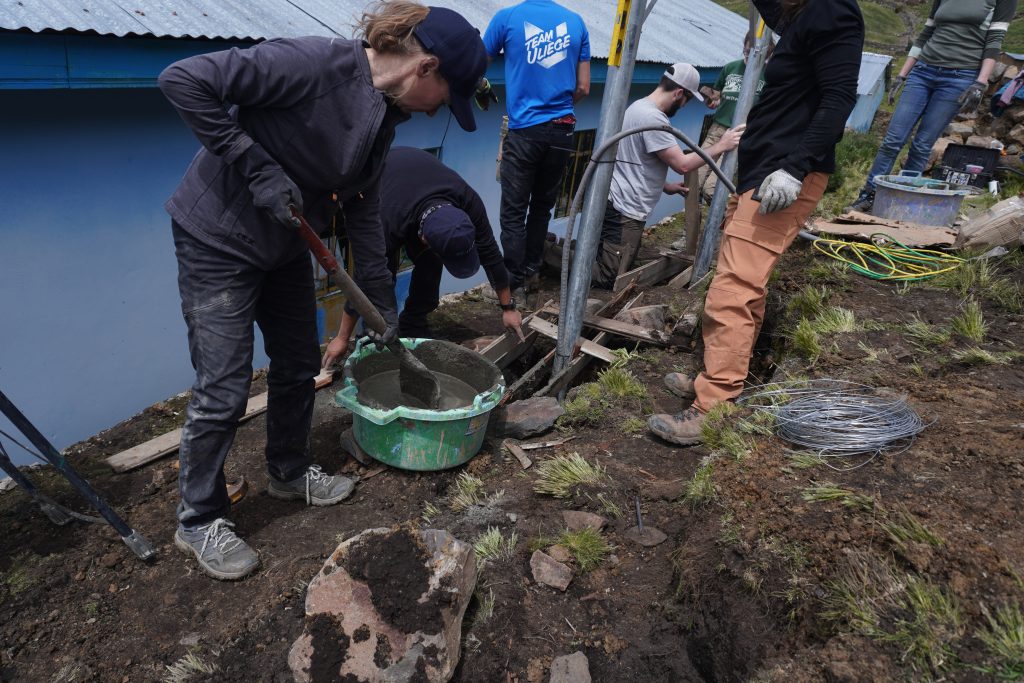
In the heights of Huancavelica, Peru, lies Santa Rosa de Llillinta, a high Andean community where dreams of education were overshadowed by the lack of light and resources. The school, a beacon of hope in the middle of the mountain range, had no electricity or internet, limiting the potential of its children as it is more than 5 hours from the city of Ayacucho. One day, hope arrived in the form of a rural electrification project. The NGO Light Up The World (LUTW), together with volunteers from Yukon University in Canada, embarked on an adventure to change the future of the community. The ambitious and challenging project required the installation of a solar photovoltaic system and a Starlink satellite internet system. More than 20 people, including LUTW members, volunteers, and the community itself, joined forces into an unstoppable force. However, nature had other plans. The river that connects the community with the main road was swollen, preventing the passage of the trucks transporting the materials. Adversity did not stop the team. On foot, and with the help of llamas and alpacas, they began the ascent towards Santa Rosa de Llillinta, at more than 4,400 meters above sea level.
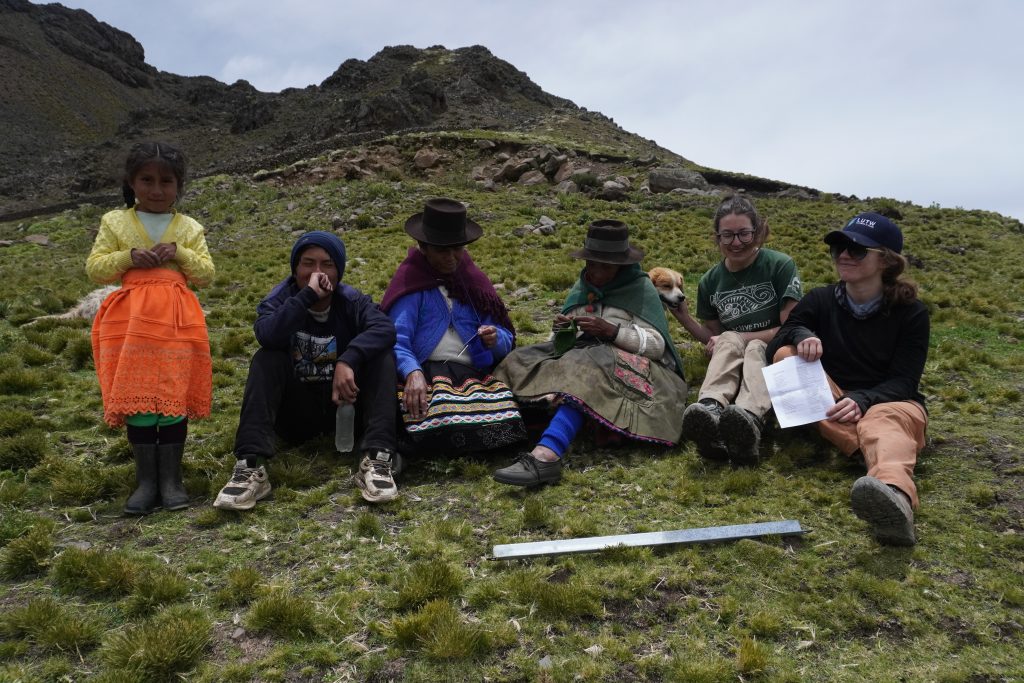
The community, committed to the future of its children, joined the effort. Men, women, and children carried materials on their shoulders up the steep slopes, demonstrating their determination to reach the light of knowledge. After days of hard work, the project was completed. The school lit up for the first time and the Internet opened up a world of possibilities for the students. Joy and hope were reflected in their faces.
It is important to highlight the fundamental role played by the authorities of the community of Santa Rosa de Llillinta, as well as by APAFA of the educational institution, in the realization of this project. Their effort and dedication were key to the success of the initiative and transformed the lives of the children in the community. The rural electrification project in Santa Rosa de Llillinta is a beacon that illuminates the path to a better future. It is an example of how collaboration, determination, and technology can transform lives and ignite dreams in the most remote communities.
Light Up The World continues to work to bring light and education to the communities most in need. If you want to support our work, you can make a donation or volunteer. Join us and ignite dreams. #LightUpTheWorld #SantaRosaDeLlillinta #RuralElectrification #Education
Our Volunteering Memories
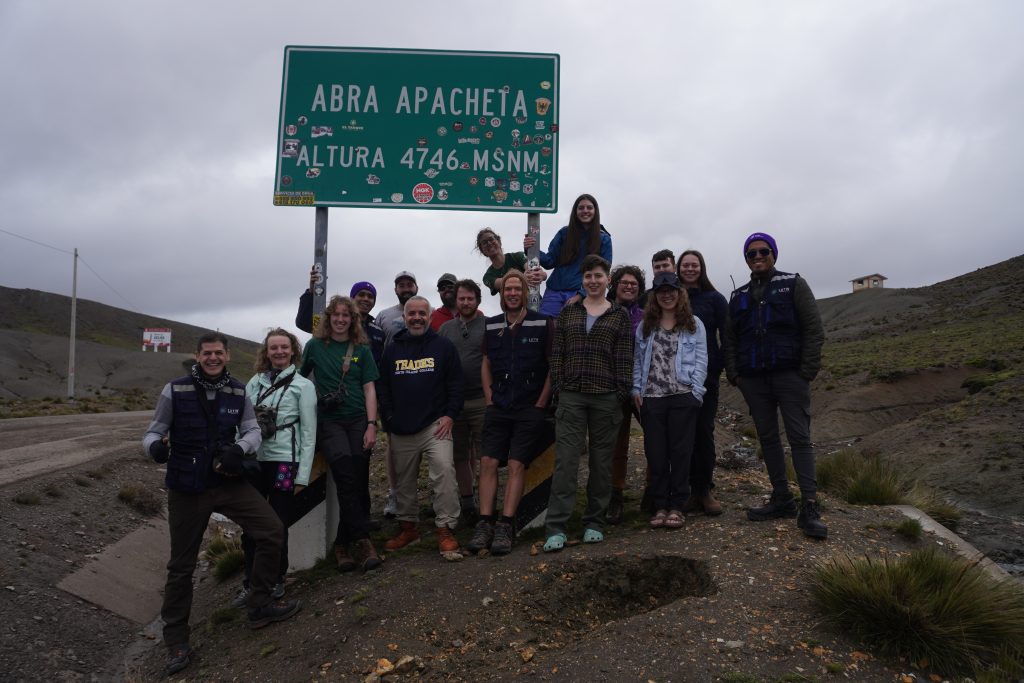
Those that have participated in various LUTW volunteer trips will tell you that no 2 projects are the same. The community, the landscape, the system install, and the conditions in the community are all factors that change from one community to the next. The Yukon University project in the community of Santa Rosa de Llillinta was no exception. The 14 participants and 6 LUTW staff travelled deep into the beautiful Andes mountains driving 4 hours from the nearest high Andean city Ayacucho to reach the community.
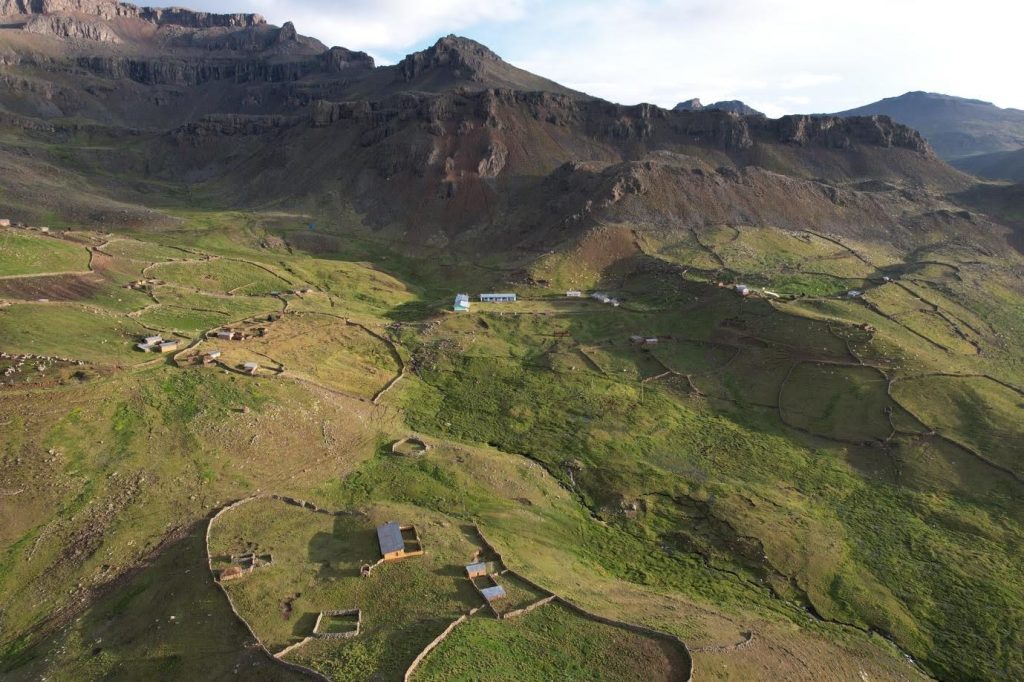
Upon reaching the community the challenges the group will have to combat were immediately evident. The intense sun, cold nights, lack of electricity, and high altitude all challenged the team. Despite this, the comments of the group about the community revolved around the incredible view of the river valley, the amazing hikes and viewpoints to go to, and the hundreds of alpacas that walk through the community daily. During the four days that the team stayed in the community the volunteers connected with the local people, some were able to communicate in Spanish with the locals and a few even learned a few words in the Andean language Quechua (The indigenous language of the Andes mountains).
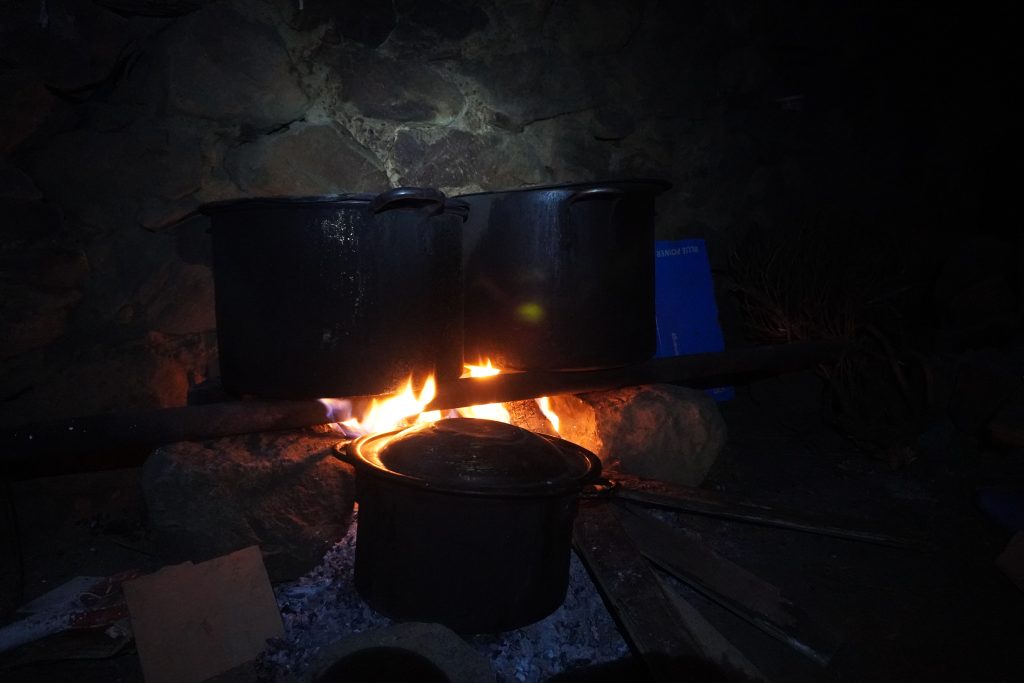
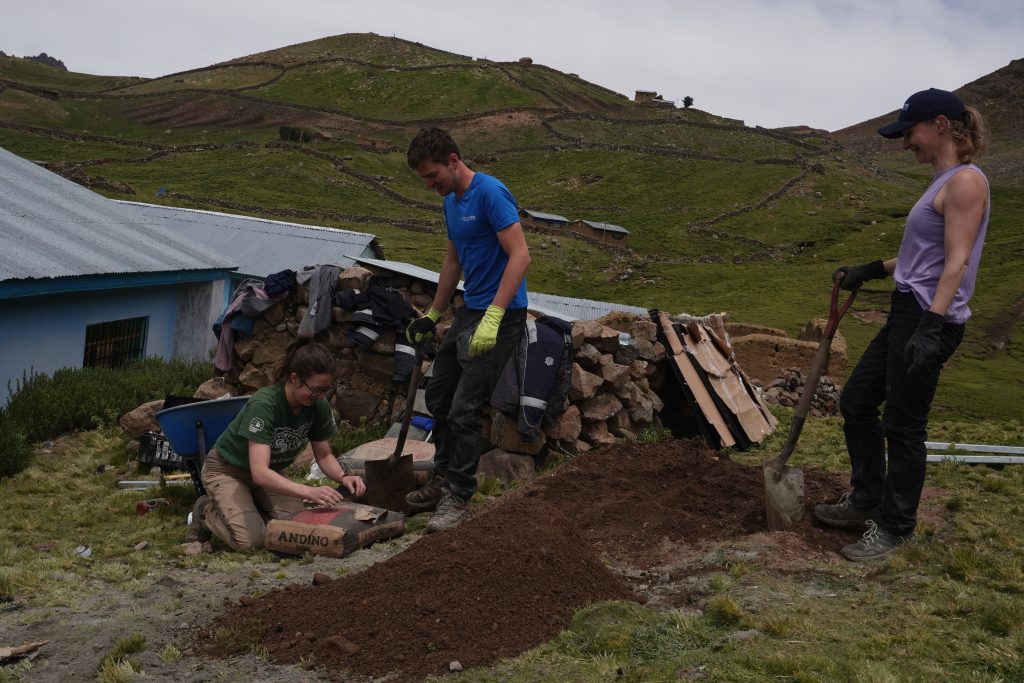
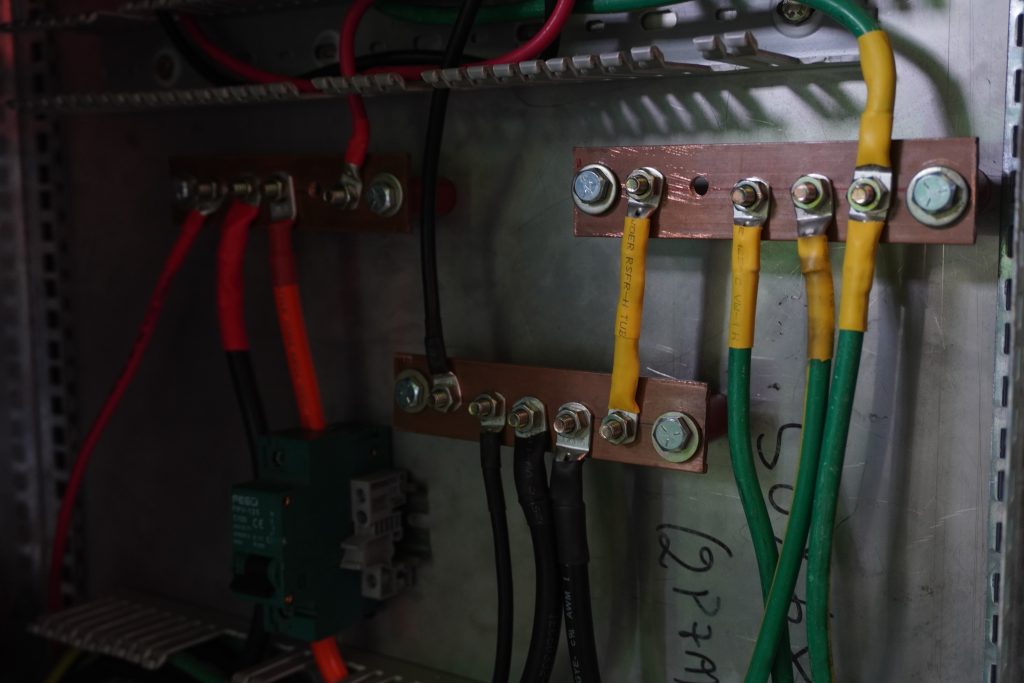
This isn’t to say that the team didn’t work while in the community. The team was tasked with cabling three buildings completely from scratch, building the electrical box where the main components are installed, and digging holes and mounting posts for the 4 solar panels to be installed. After the installation was complete the community celebrated with the team by preparing a local meal of alpaca soup and stew and an inauguration ceremony where community leaders and leaders from Yukon spoke thanking one another for their efforts during the project. Many volunteers expressed how impacted they felt by the words of the community and recognized the communities efforts in assisting with the system installation.
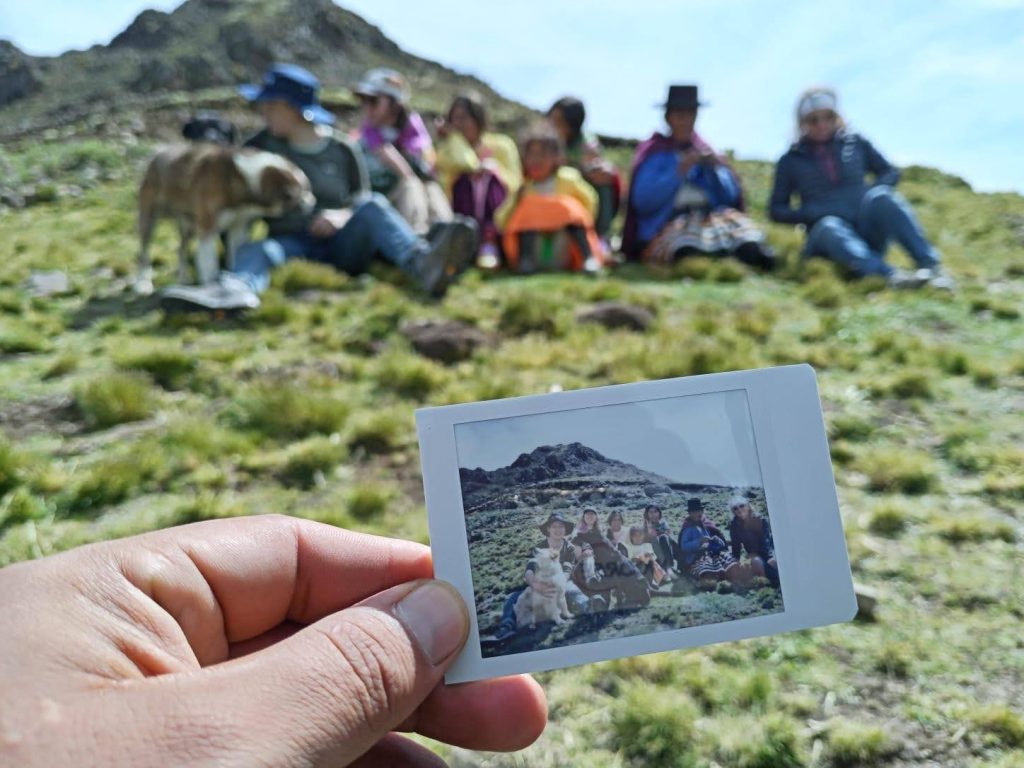
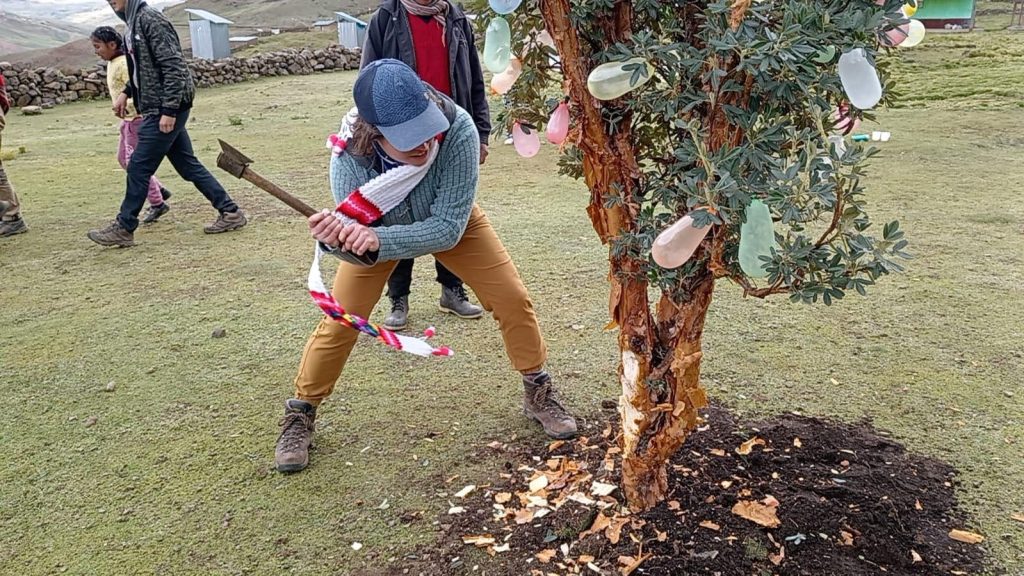
The community then surprised the group having them participate in a traditional ceremony and dance. Volunteers were thrilled with this experience as was the LUTW team as it was the first time that the team participated in such an event. After saying some emotional goodbyes, the team left the community leaving behind a functional electrical system and satellite internet. During the return trip volunteers talked about the interactions they had with community members, the amazing photos they captured of the area, and the incredible impact that they left behind.
Reflecting on the experience back in Ayacucho many felt not only that they impacted the community, but that the community and the experience of living with them had profoundly impacted them. Seeing and experiencing how the locals live first hand left a lasting impact on them which made them proud to think that, with the solar system, they were able to directly contribute to the betterment of children and education in the community and made them grateful for electricity and internet services that we often take for granted in North America. For many, it was a life changing experience that the group nor the community will ever forget.