Improving Access to Energy : Light for All
As we wrap up our busy month of May, we conclude with the completion of a third project, taking place in the community of Ipipata located in the Huancavelica region. In collaboration with SAIT University, Canada, with whom we regrouped in the city of Ayacucho, a small and tranquil city in the center of Peru. There, we began our acclimatization to the altitude and, most importantly, the training of volunteers for what we would be doing there: “the complete installation of a solar system”, from fixing the panels to complete wiring in a school, including the assembly of the electronic box. This activity helped to acquire the necessary knowledge to build such a system, LUTW staff delivered a theoretical lecture on solar systems, followed by a practical session where they assembled a 12V battery system
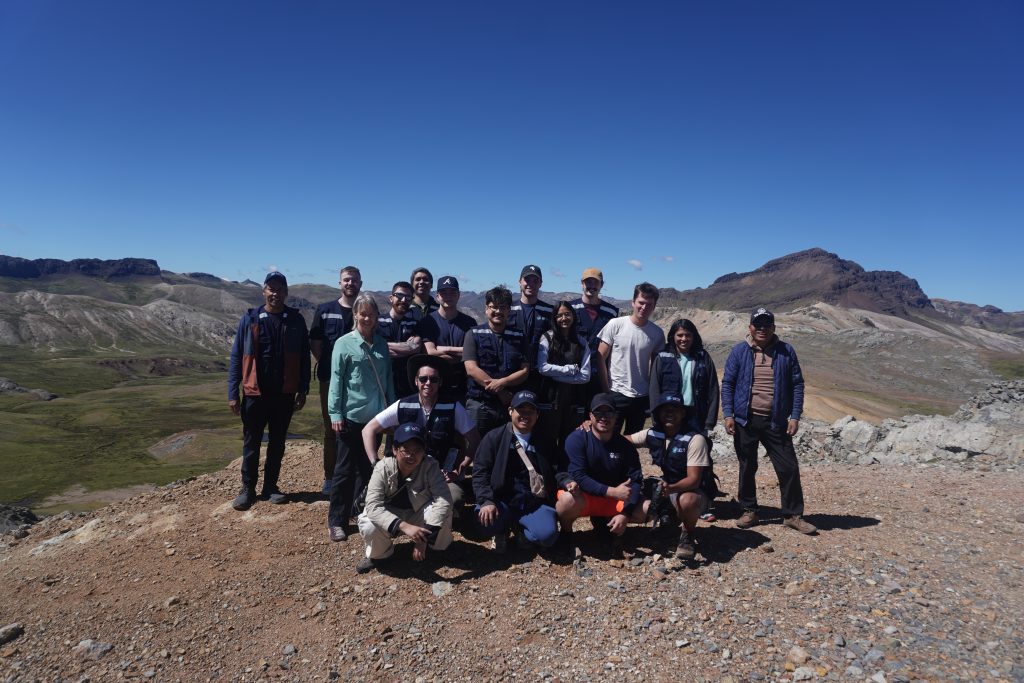
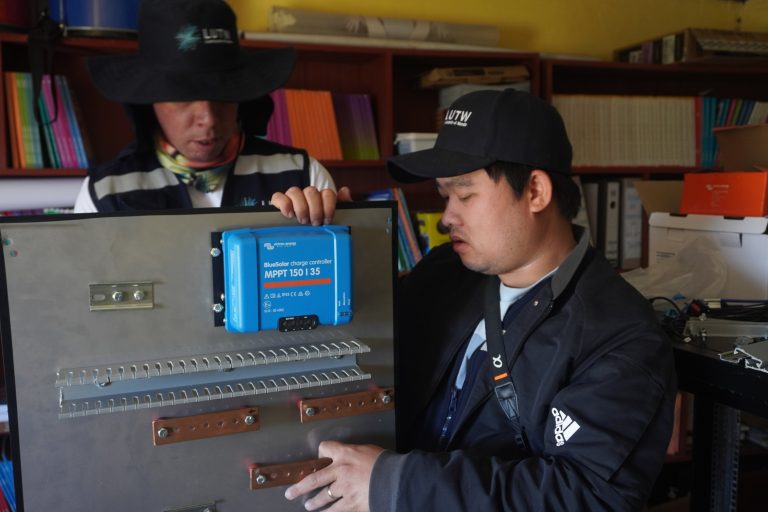
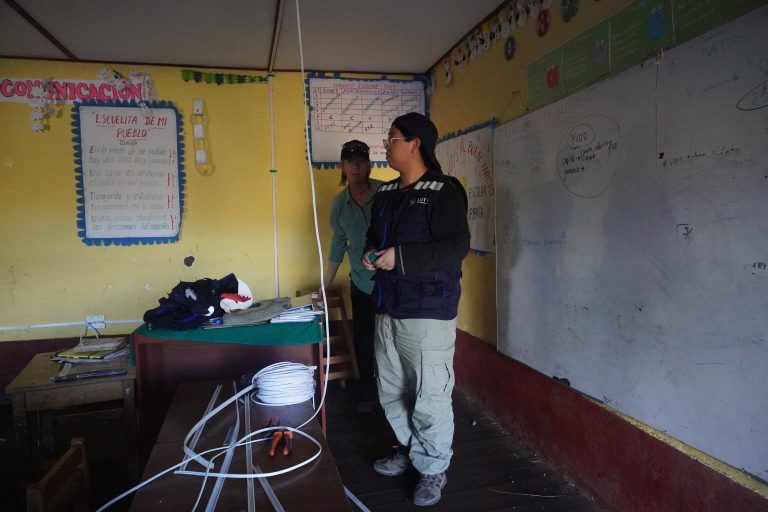
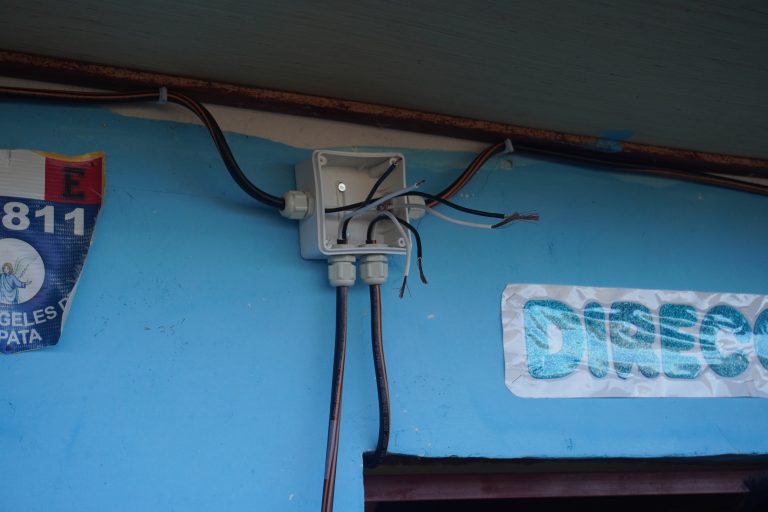
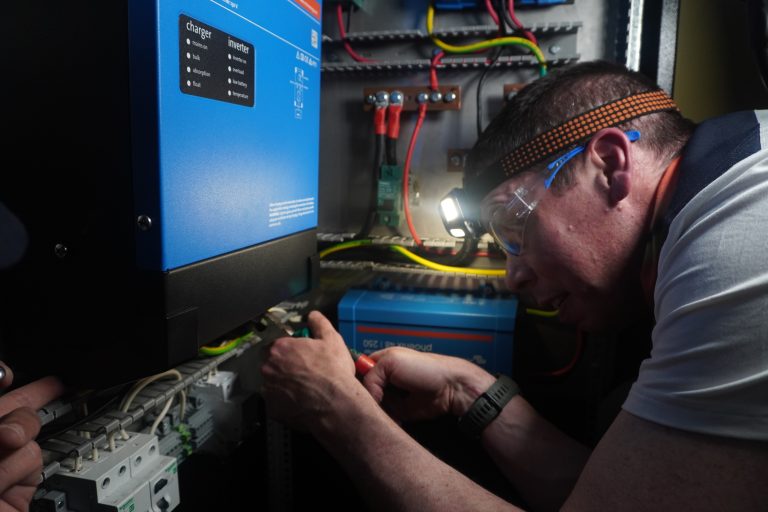
After an impressive car journey from Ayacucho to the Ipipata community, passing through the town of Lircay, it was time to camp at the community’s childcare center. After a good night’s sleep in the cold, it was time to get to work. The group organized into three teams, namely the solar panel team, the electrical box team, and the wiring team. The solar panel team was responsible for installing the panel structure, digging foundations, pouring concrete, fixing the panels, and connecting them to the electrical box. The electrical box team connected all electronic components, such as the inverter and batteries, as well as electrical safety devices, together in the electrical box. Last but not least, the wiring team pulled cables and installed them along with switches, outlets, lights, and floodlights in the school.
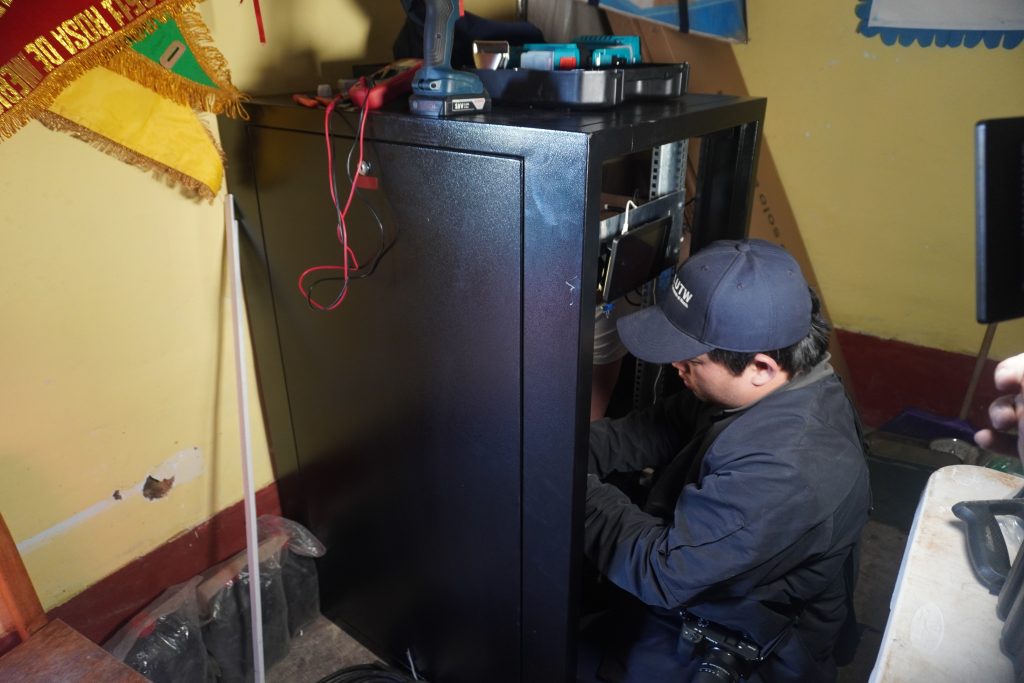
With perfect synchronization and communication, we were able to complete the project in no more than two days, a record for LUTW that would not have been possible without the talent and motivation of this group of volunteers. As we departed, we cherished the comforting memory of our newly installed 1.5 kW solar panel, 4800 Wh battery, and 3 kW inverter system that will power electronic equipment to aid in better learning and teaching according to curriculum levels.
Connecting with the Community: A Blend of Cultures
The cars had barely stopped when we could already see the young students and their teacher waving at us from afar, in front of the school. They had been waiting for us all day and were undoubtedly excited about the project and the arrival of foreigners in their town. However, we could sense that other people were not as enthusiastic about the project. Later, we would discover that a lack of communication had led to misconceptions about the project and its objectives, prompting us to consider new and more efficient communication methods that would resonate more easily with the entire community, in our ongoing effort to improve.
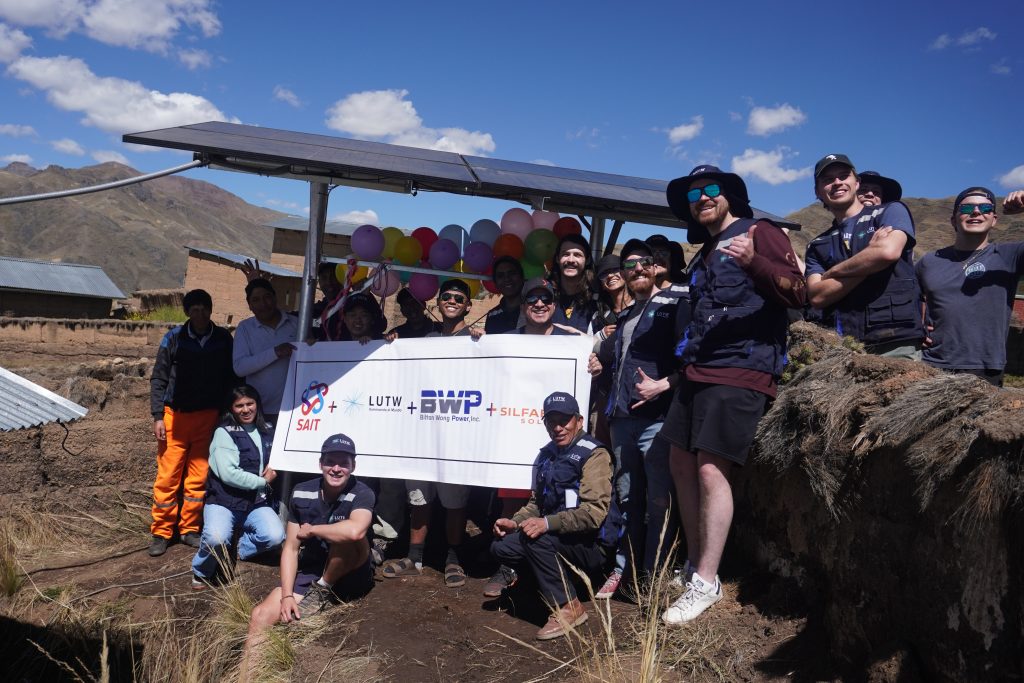
The children were the focal point of the relationship we built with the community; they were there every day with us, armed with curiosity and a desire to learn about all the tools used to bring electricity to their school. At the end of each workday, a soccer match was played, and we only went to our respective homes when darkness took the ball out of sight.
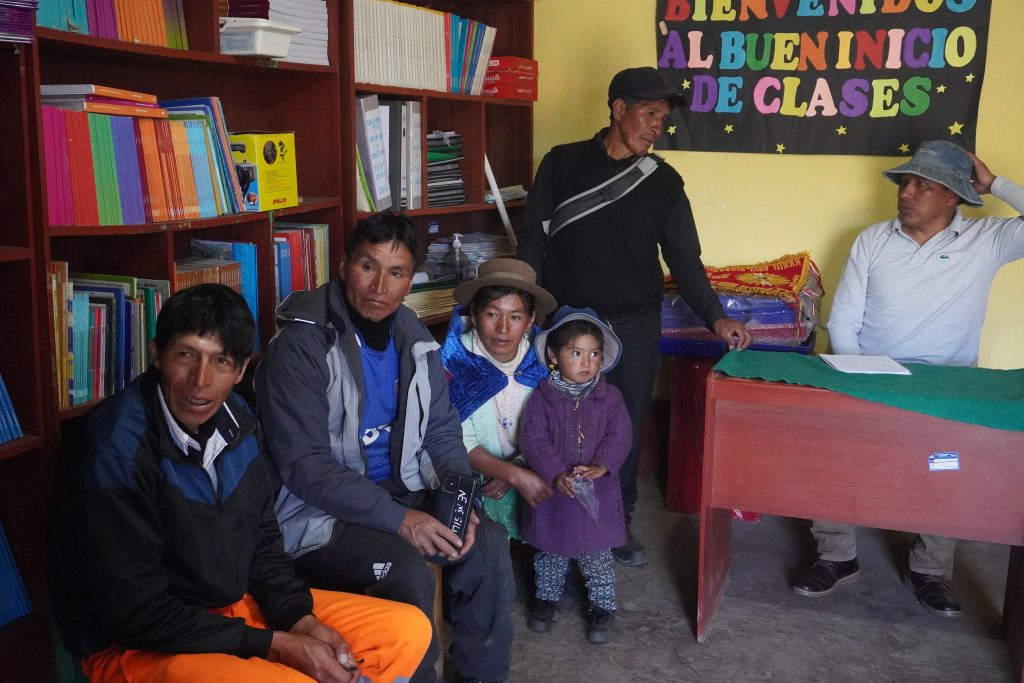
On the inauguration day, the mothers were there along with all their children and some of the men to share an excellent meal made with one of the village’s sheep. It was time to dance, and we had the best dance floor of our lives to enjoy, amidst the mountains, with Peruvian rhythms playing on speakers powered by the system we had just installed. At the end of the day, “Frea,” a boy from the school, turned on the floodlight that illuminated the soccer field, which also served as the town’s central plaza, with a heartwarming smile on his face, allowing us to play our final soccer match under the stars.