Solar Project Santa Rosa Community - WOOREE
Our Past, Our Present: Facing Realities
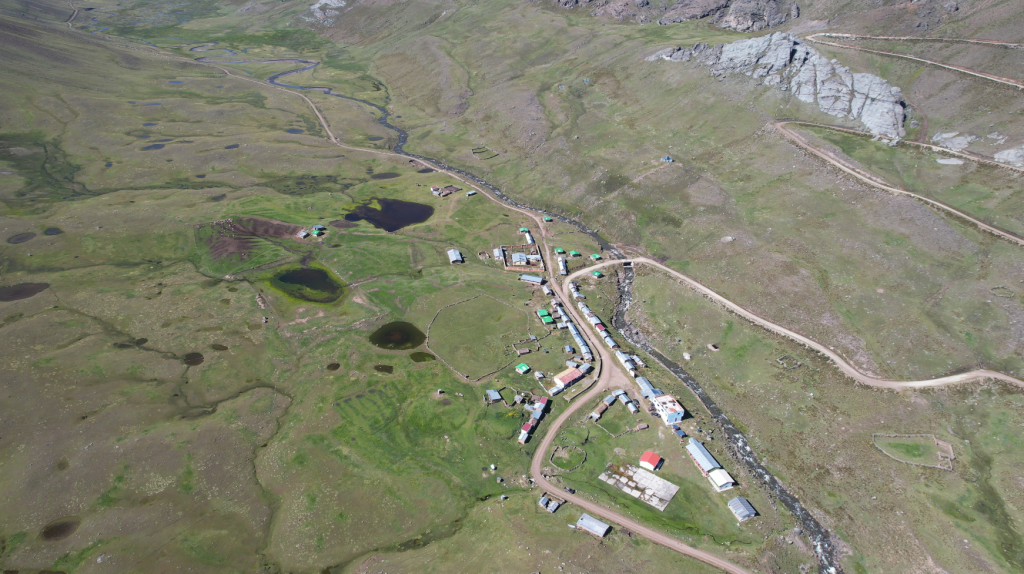
During our first visit to the community, we were greeted by a vibrant green landscape dotted with rocky hills and splendid plains. Under a blue sky, the sun shines brightly at certain times of the day, while at others, a cloudy sky heralds the arrival of a gloomy cold accompanied by rain. A river winds along the edge of the village, where houses are scattered along newly opened streets. In the heart of the community, we found the health post, a vital facility for the residents.
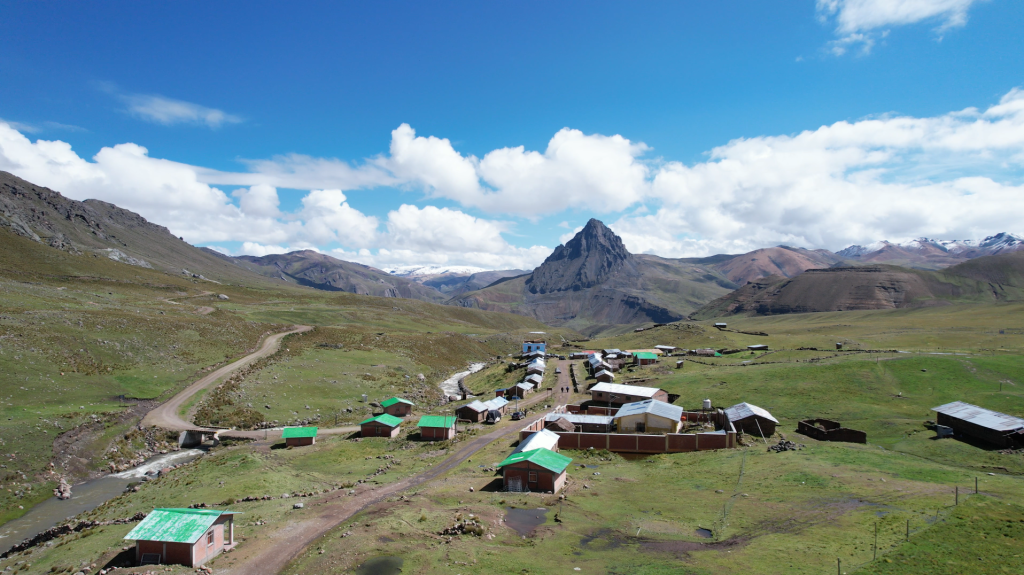
We had the opportunity to meet Don Justiniano, a man who has lived in the community his entire life since his birth in 1979. He shared his story with us, marked by the lack of electricity, where candles and lanterns were the only sources of light. Over time, alpaca breeding became his primary means of livelihood, and bartering handmade textiles for food was a common practice. Despite advances in other parts of the world, his community is still waiting for state or organizational support to access basic services that could transform their daily lives.
Dalton, a young community member, shared his experience with us. Born in the community, he had to migrate after completing his primary education in search of better educational opportunities. He recalled how his early education was limited, leaving him at a disadvantage when he moved to the city. Despite having equipment like computers, which were obtained through community efforts, the lack of electricity prevents their use. The lack of energy also hinders health campaigns and the implementation of long-term plans, leaving the community in a state of constant adaptation to its limitations. Dalton emphasizes that if the community had access to basic services, the outlook for its inhabitants would be much more promising.
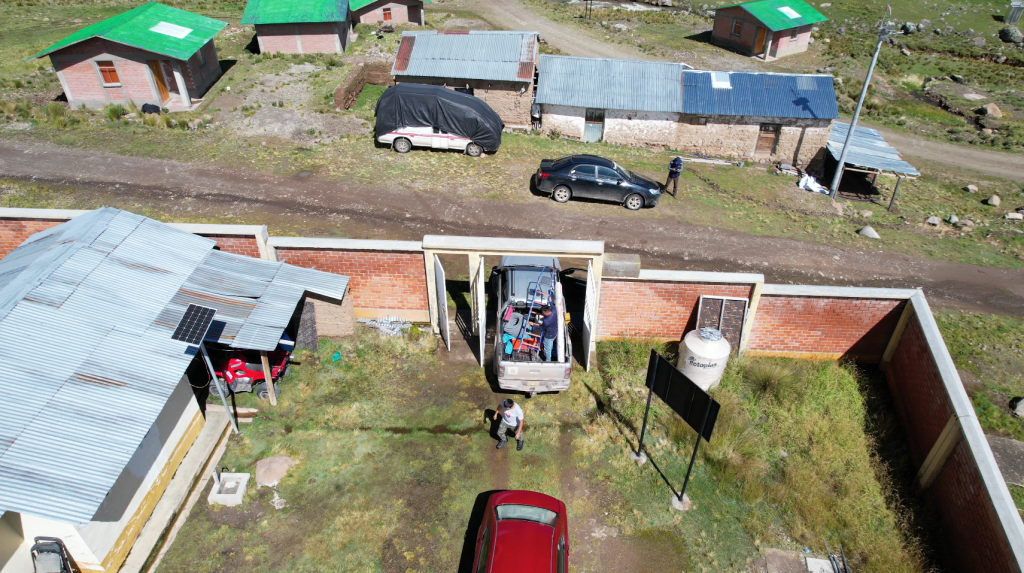
On March 12, during the project’s execution phase, the community members gathered with great anticipation to help unload materials. Óscar, the head of the health post, guided us through the facilities, showing the spaces where the long-awaited energy would be installed. He shared how, despite having equipment sent by supervisory offices, the lack of electricity forces them to keep it stored away. Attempts to obtain support from local mining companies were in vain, and the lack of resources has led to limited medical care, with professionals often resigning or providing services sporadically due to the harsh conditions. Everything in the community must adapt to existing constraints, directly affecting the quality of life and development of its residents.
Contributing to a Prosperous Future in the Santa Rosa Community
After an exhaustive assessment of the lack of essential services in the Santa Rosa community, our technical team decided to implement a 2.22 kWp photovoltaic system, complemented by a satellite internet system and access points for the health center, which serves the entire community. Santa Rosa, located at 4,367 meters above sea level and six hours from the city of Ayacucho, is in a region where accessibility is a challenge: the roads are partially paved, and the remainder is a dirt track.
Despite facing cloudy days, heavy rainfall, and cold afternoons, the team proceeded with the installation activities as planned. The first task was to dig and mount a metal pole for the solar panels. Although the rains and fatigue from the depth of the work forced a temporary halt, the support of the community members was crucial in completing this phase in two continuous days.
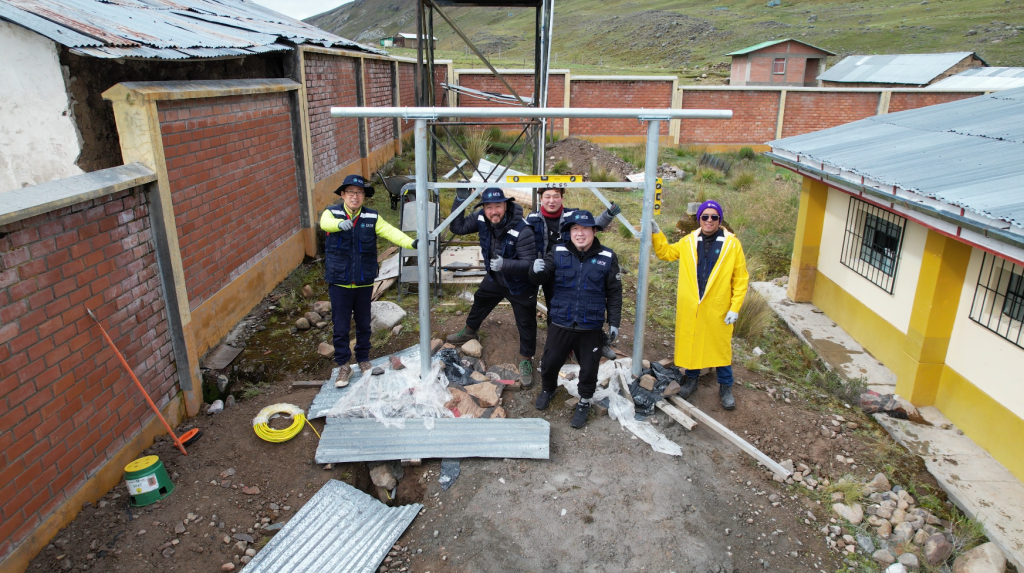
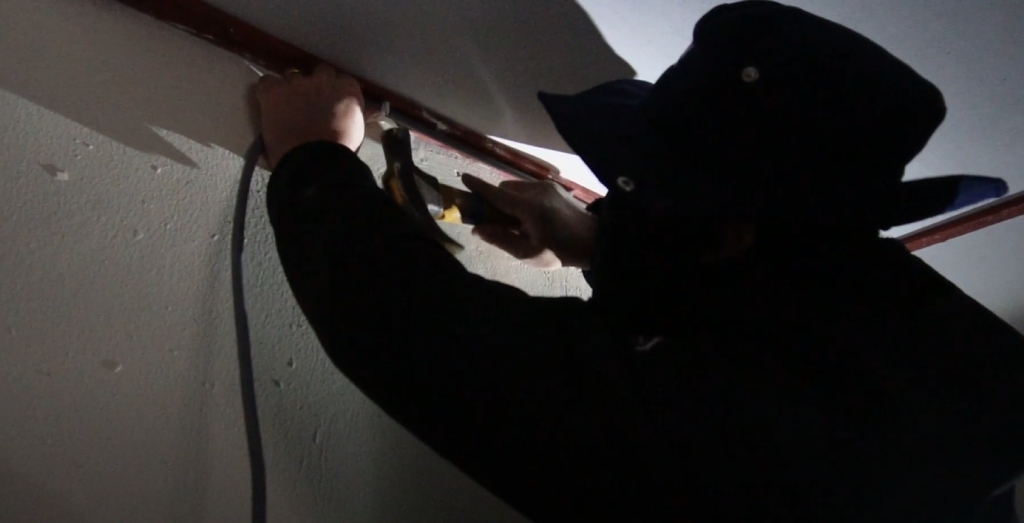
Meanwhile, other team members were responsible for wiring the lights and installing the electrical cabinet inside the health center rooms. As the afternoons grew darker, visibility became more challenging, but with the help of flashlights, the connections could continue until the end of the day. By the third day, the lighting system was complete, and final tests were conducted before the official inauguration and handover of the system to the health center officials, in the presence of the beneficiary community members.
The final event was a moment of great emotion for the community. Authorities and residents expressed their deep satisfaction in finally bringing light to their health center, an achievement they had long awaited. Their words of gratitude reflected the recovery of hopes that had nearly been lost after years of unsuccessful petitions to local governments. Today, thanks to the intervention of a foreign organization, that dream has become a reality.
The day concluded with a fellowship lunch under the torrential rains and lightning that struck the community, but the joy of having achieved a goal that will contribute to the development of Santa Rosa prevailed among all present.
Adapting During Community Living
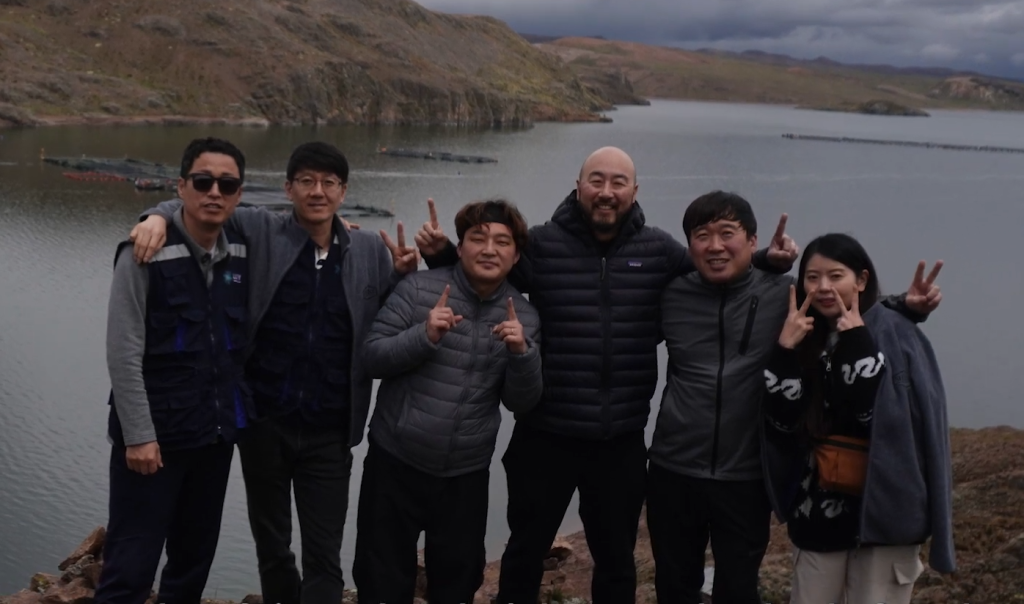
The empathy of the volunteer groups was evident, as demonstrated by our WOOREE team, who traveled from distant lands to support the mission of providing access to essential services. After years of collaboration with LUTW in communities without access to electricity, WOOREE arrived in Santa Rosa with a firm commitment to contribute to sustainable development. This passion for creating equal opportunities led the volunteers to travel to the most remote communities, sharing daily life with their inhabitants and facing the extreme weather conditions.
In the mornings in the Santa Rosa community, the climate was very cold, but with an impressive landscape, with tranquil fields and the sound of the wind blowing through the streets. The river that borders the community adds a constant murmur, while the weather changes rapidly from clear to stormy, challenging both residents and volunteers. Despite the language barriers, with volunteers speaking Korean and the community members speaking Quechua or Spanish, gestures and the assistance of the LUTW team allowed for effective communication and progress with the installation of the solar system.
The team in charge of the solar panels worked under adverse conditions, facing extreme cold, intense heat, and torrential rains. However, their determination to reach the goal was stronger than the climatic challenges. They knew that by completing their task, they would be fulfilling the community’s dream: having access to electric light.
Daily interactions between the volunteers, the LUTW team, and the community members created a rich intercultural exchange. Following the motto “everyone deserves the same opportunities,” each participant made an effort to adapt and learn, reflecting values such as kindness, camaraderie, and teamwork. Despite the language difficulties, the volunteers shared games, meals, and experiences, even trying to learn a few words in Quechua or Spanish to greet or say goodbye, and showing their gratitude for the hospitality received through gestures.
The WOOREE group expressed their deep satisfaction with the project. Today, with great strength, they see that their efforts have borne fruit, allowing the community to take another step towards development. The solar system not only illuminates the health center but also the future of Santa Rosa. The volunteers leave with unforgettable memories, taking with them the warmth of the people and the moments shared in this corner of the world, which stands out from any other place they have visited.